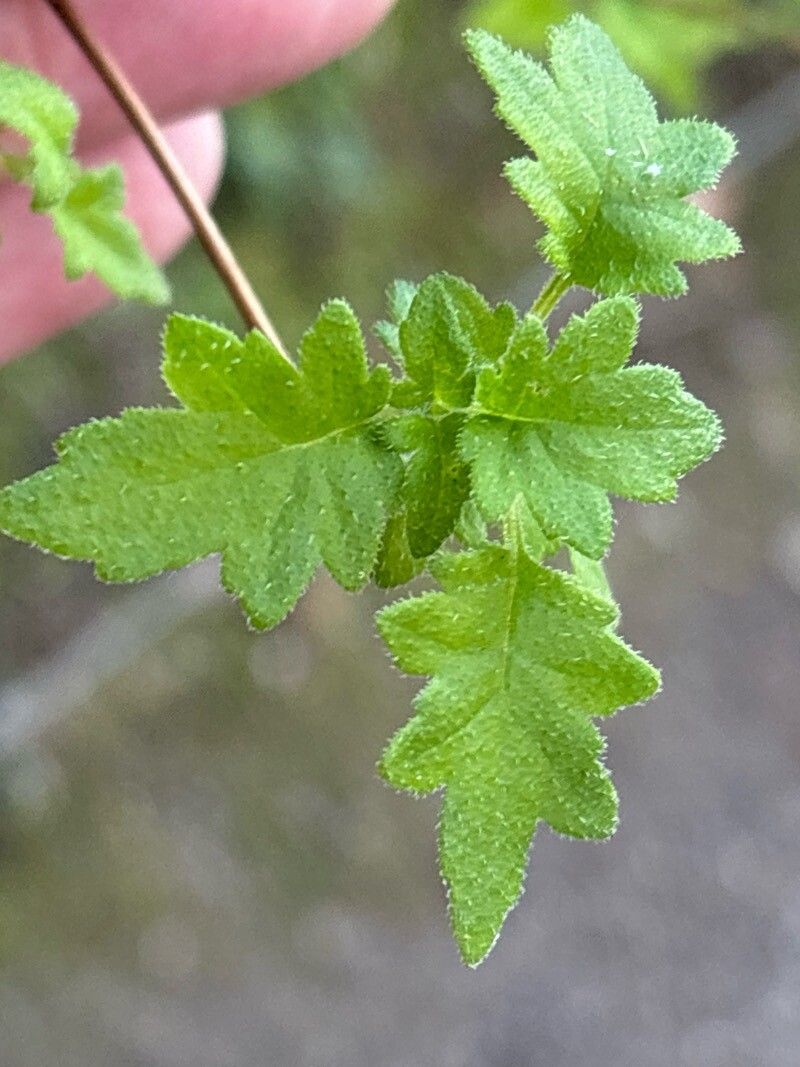
Hello there, fellow plant lovers! I’m so excited to chat with you today about a truly delightful plant: Jovellana violacea. If you’ve ever had the pleasure of seeing this beauty, you know its charming, violet-blue flowers are simply irresistible. They bring such a gentle, whimsical touch to any garden or indoor space. And the best part? You can easily multiply these charmers yourself!
For those of you just starting out on your propagation journey, I’d say Jovellana violacea is a moderately easy plant to work with. It might not be as foolproof as a Pothos, but with a little attention, you’ll be rewarded with plenty of new plants to share or expand your collection. It’s a really satisfying process, watching a tiny cutting transform into a robust new plant.
The Best Time to Start
Timing is everything in the plant world, and for Jovellana violacea, the late spring or early summer is usually your golden ticket. This is when the plant is actively growing, which means its stems have plenty of energy to develop new roots. You’re looking for new, but firm, growth – not the super soft, floppy tips, nor woody old stems. Think of it as picking pieces that have a good balance of flexibility and strength.
Supplies You’ll Need
Gathering your supplies beforehand makes the whole process smoother. Here’s what I always have on hand:
- Sharp pruning shears or a clean, sharp knife: For making nice, clean cuts.
- Rooting hormone (optional but recommended): This gives your cuttings a little boost.
- Small pots or trays: Clean ones are crucial to prevent disease.
- Well-draining potting mix: A good blend for cuttings would be equal parts peat moss or coco coir, perlite, and a bit of sand.
- Watering can with a fine rose or a spray bottle: For gentle watering.
- Clear plastic bag or propagator lid: To create a humid environment.
- Labels and a marker: So you don’t forget what you’ve potted!
Propagation Methods
We’ll focus on two fantastic ways to get more Jovellana violacea: stem cuttings and division.
Stem Cuttings
This is my go-to method for many shrubs, and Jovellana violacea responds beautifully to it.
- Take Your Cuttings: Using your clean shears, select a healthy stem and make a cut just below a leaf node (where a leaf joins the stem). Aim for cuttings that are about 3-6 inches long. Remove the lower leaves, leaving just a couple at the very top.
- Apply Rooting Hormone: If you’re using rooting hormone, dip the cut end of the stem into it, tapping off any excess.
- Pot Them Up: Fill your small pots with your prepared potting mix. Make a little hole in the center of the soil with your finger or a pencil. Gently insert the cutting into the hole, ensuring the base is buried and the remaining leaves aren’t touching the soil.
- Water and Humidify: Water gently and thoroughly. Then, cover the pot with a clear plastic bag or a propagator lid to maintain high humidity. You can support the bag with a couple of sticks so it doesn’t collapse onto the leaves.
- Place Them Right: Put your pots in a bright spot, but out of direct sunlight. A windowsill that gets filtered light is perfect.
Division
If you have a mature Jovellana violacea that seems a bit crowded, dividing it is a great way to get instant, larger plants—and it’s quite straightforward.
- Gently Unpot: Carefully remove the entire plant from its pot.
- Inspect the Roots: Loosen the soil around the root ball and examine where the plant naturally wants to separate. You’re looking for distinct crowns or clumps of stems.
- Separate the Divisions: Using your hands or a clean spade/knife, gently pull or cut the root ball into smaller sections. Each section should have a good amount of roots attached and at least one or two healthy stems.
- Pot Them Up: Pot each division into its own pot filled with fresh potting soil.
- Water and Settle: Water them well and place them in their new home, as you would any repotted plant.
The “Secret Sauce”
Here are a couple of things I’ve learned over the years that can really make a difference:
- Bottom Heat is Your Friend: For cuttings, placing your pots on a gentle heat mat can dramatically speed up root formation. It mimics the warmth of spring soil perfectly. Just make sure it’s not too hot – lukewarm to the touch is ideal.
- Don’t Let the Leaves Drip: When you mist or water your cuttings, be mindful of water pooling on the leaves, especially if they’re enclosed in plastic. Excess moisture trapped on leaves can encourage fungal diseases. A gentle shake or pat with a soft cloth can help if needed.
Aftercare & Troubleshooting
Once you see new growth emerging from the axils of the leaves, or if you gently tug on the cutting and feel resistance (meaning roots have formed!), it’s time to introduce it to its new life.
Gradually remove the plastic covering over a few days to acclimatize your new plant to normal humidity. Continue to keep it in bright, indirect light and water when the top inch of soil feels dry. If you divided a plant, treat it like a healthy, established plant.
Now, for the less glamorous bit: troubleshooting. The most common issue you might face is rot. If your cutting looks mushy, turns black, or smells off, it’s likely succumbed to rot. This is often due to overwatering, poor drainage, or not enough air circulation. Sometimes, soft, wilting cuttings that don’t firm up can signal that roots just aren’t forming. Don’t be discouraged if this happens! It’s part of the learning process. Sometimes you just get a dud cutting, or the conditions aren’t quite right. Just tidy up, sterilize your tools, and try again.
A Little Encouragement
Be patient with your new Jovellana violacea babies. Propagation takes time, and each plant will root at its own pace. The joy of creating something new from a simple cutting or division is immense. So, grab your secateurs, get your hands in the soil, and enjoy the wonderful journey of growing more of these lovely violet flowers. Happy gardening!
Resource:
https://identify.plantnet.org/k-world-flora/species/Jovellana%20violacea%20(Cav.)%20G.Don/data