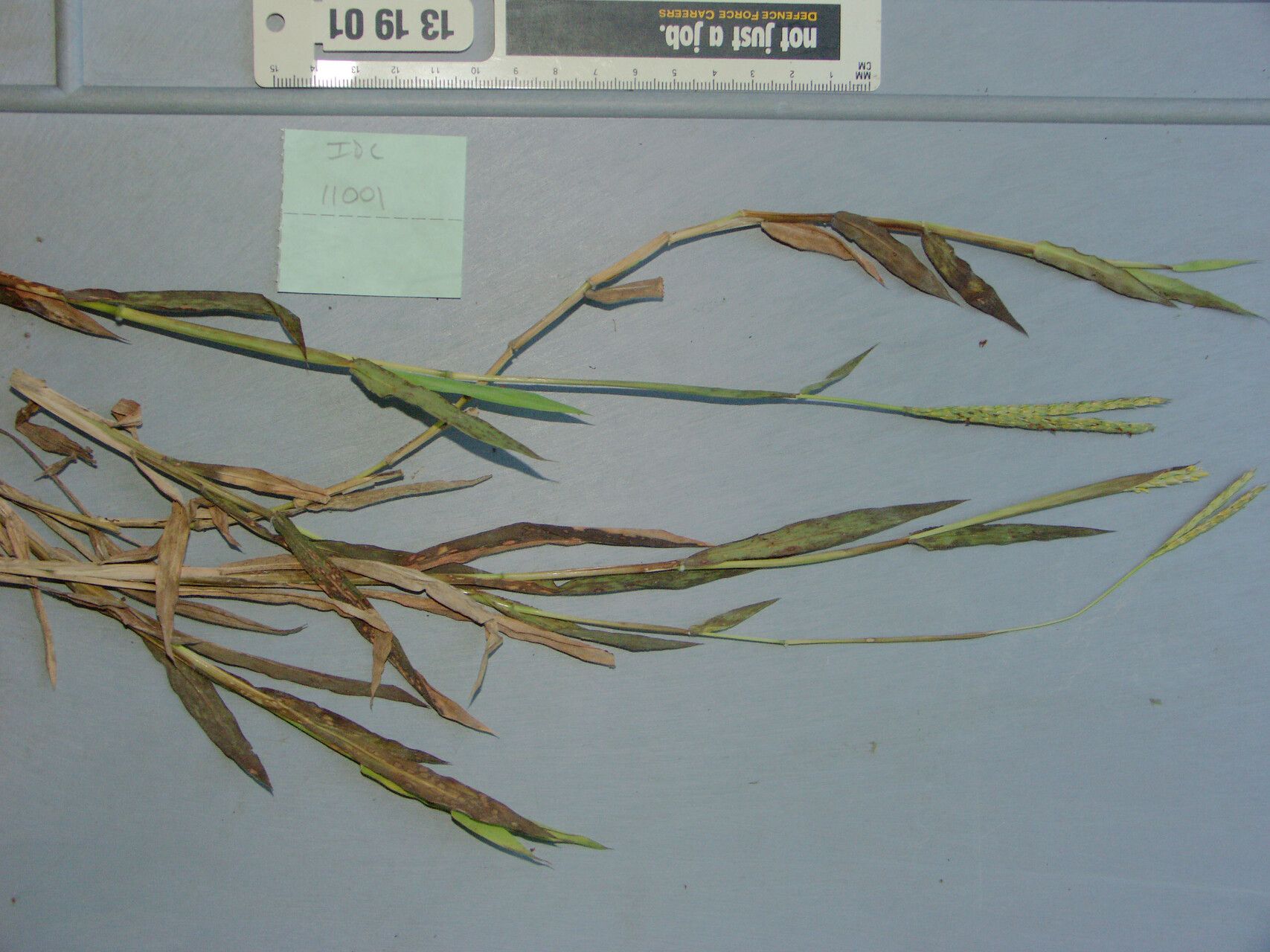
Oh, hello there! Come on in, pull up a chair. I’ve got a fresh pot of coffee brewing, and I’m just itching to tell you about one of my favorite, often overlooked, garden gems: Ischaemum timorense. If you’re looking for a plant that brings a touch of architectural elegance to your garden, with its graceful, arching foliage and intriguing textures, then you’re in for a treat. And the best part? It’s surprisingly easy to share!
Why Propagate Ischaemum timorense?
Seriously, this grass is a showstopper. It’s not your everyday lawn variety; it offers a sophisticated, almost sculptural presence, especially when massed. Propagating it means you can fill those empty spots in your borders, create stunning containers, or even share these beauties with fellow garden enthusiasts. And trust me, the satisfaction you get from nurturing a new life from a tiny piece of your existing plant is just… well, it’s gardening magic. For beginners looking to dip their toes into propagation, Ischaemum timorense is a fantastic starting point. It’s quite forgiving!
The Best Time to Start
The absolute sweet spot for propagating Ischaemum timorense is during its active growing season. Think late spring through early summer. The plant is bursting with energy then, and new cuttings or divisions will have the best chance of establishing quickly. I’ve had success a bit later into summer, but the earlier you start, the more time your new plants have to mature before the cooler weather sets in.
Supplies You’ll Need
Gathering your tools is half the fun, isn’t it? Here’s what you’ll want to have on hand:
- Sharp pruning shears or a clean knife: For making clean cuts.
- Rooting hormone (optional but recommended for cuttings): This helps get those roots stimulated. I like a powder form, but gels work too.
- Well-draining potting mix: A good quality seed starting mix or a blend of peat moss, perlite, and sand works wonderfully.
- Small pots or trays: For your new propagations. Make sure they have drainage holes!
- Watering can or spray bottle: For gentle watering.
- Labels or markers: To keep track of what you’ve propagated and when.
Propagation Methods
Ischaemum timorense is wonderfully versatile, but division is hands-down the easiest and most success-oriented method for most gardeners.
Method 1: Division (The Easiest Way!)
This is my go-to for this grass, especially for beginners. It’s like giving your plant a little haircut and getting new plants in the process!
- Dig Up Your Plant: Gently unearth your Ischaemum timorense plant. If it’s large, you might need a garden fork to help loosen the soil around the root ball.
- Examine the Crown: Once out of the ground, look at the base of the plant, where the roots and stems meet (the crown). You’ll often see distinct sections or clumps starting to form.
- Divide Away: Using your hands or a sharp spade/knife, gently pull or cut the plant apart into smaller sections. Aim for sections that have a good amount of roots and at least a few healthy shoots. Don’t worry if you’re a bit rough; these grasses are tough.
- Replant Immediately: Pot up your divisions into pots filled with your well-draining potting mix. Water them thoroughly. You can also replant them directly into your garden.
Method 2: Stem Cuttings (A Bit More Patience Required)
While division is king, taking cuttings can also work well.
- Select Healthy Stems: Look for young, healthy stems that are not flowering. About 4-6 inches long is ideal.
- Make Your Cut: Using your clean shears or knife, take cuttings from the base of the plant, as close to the main crown as possible. Remove any lower leaves, leaving just a few at the top.
- Apply Rooting Hormone: If you’re using rooting hormone, moisten the cut end of the stem and dip it into the powder. Tap off any excess.
- Plant Your Cuttings: Gently insert the cuttings into pots filled with your prepared, slightly moist potting mix. Make sure the nodes (where you removed the leaves) are below the soil surface, as this is where roots will form.
- Provide Humidity: Cover the pot with a plastic bag or place it in a propagator to maintain humidity. This is crucial for cuttings.
- Keep Warm and Bright: Place the pots in a warm location with bright, indirect light.
The “Secret Sauce” (Pro Tips)
Here are a couple of my little tricks that I think make a big difference:
- Don’t Over-Pot Your Divisions: When you divide, resist the urge to put a huge clump into a tiny pot. It’s better to have smaller divisions that can establish themselves more easily. A pot that’s just a bit larger than the root ball is perfect for divisions.
- Bottom Heat for Cuttings: For stem cuttings, a bit of gentle bottom heat can significantly speed up root development. A heated propagator mat is fantastic if you have one, but even placing them on top of an appliance that gives off a little warmth can help.
- Water Wisely After Division: After replanting your divisions, I like to give them a good soak and then let the soil dry out slightly between waterings. Overwatering at this stage is the quickest way to invite rot.
Aftercare & Troubleshooting
Once your new Ischaemum timorense plants have started to show signs of life – think new shoots emerging or you gently tugging on a cutting and feeling resistance (a sign of roots!) – it’s time to adjust their care.
- Gradual Acclimation: If your cuttings were under cover, gradually remove the bag or open vents over a few days to let them get used to normal humidity levels.
- Watering: Continue to water when the top inch of soil feels dry. Avoid letting them sit in soggy conditions.
- Light: Gradually increase the amount of light they receive. They’ll appreciate bright, but not scorching, direct sun.
Troubleshooting: The most common issue you’ll face is rot. If you see stems turning mushy and dark or the whole plant wilting and dying for no apparent reason, it’s usually a sign of too much moisture in combination with poor air circulation. If you catch it early, you might be able to save a promising cutting by trimming off the rotten parts and replanting it in fresh, drier soil. For divisions, ensure your soil is indeed draining well.
Happy Growing!
See? Not so daunting, is it? Propagating Ischaemum timorense is a rewarding journey that connects you even more deeply with your garden. Be patient, observe your new charges, and don’t get discouraged if a few don’t make it. Every gardener has their learning curve! Enjoy the process, and soon you’ll have a whole new wave of these beautiful grasses to admire. Happy digging!
Resource:
https://identify.plantnet.org/k-world-flora/species/Ischaemum%20timorense%20Kunth/data