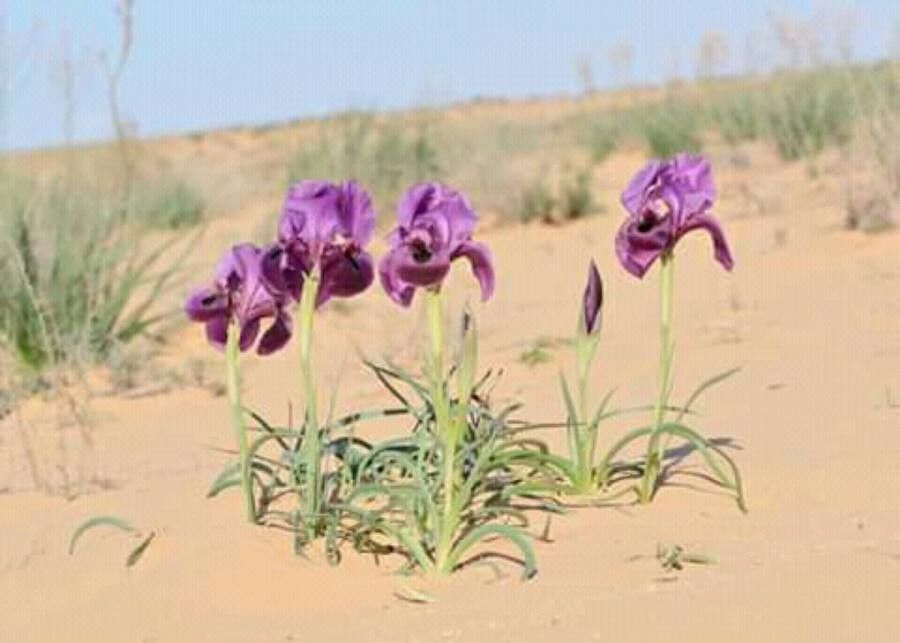
Hello fellow garden enthusiasts!
Today, we’re diving into the wonderful world of propagating Iris antilibanotica. If you’re drawn to its unique beauty and the joy of creating more of these garden gems, you’re in for a treat. There’s something truly special about nurturing a plant from a tiny start into its full glory. Let’s just say it’s a bit of a rewarding challenge, perfect for when you’ve gotten your gardening boots a little muddy and are ready for something new.
The Best Time to Start
For Iris antilibanotica, propagation is best tackled when the plant is winding down its active growth and preparing for dormancy. Late summer or early autumn is often our sweet spot. This gives new divisions or cuttings enough time to establish before the chill really sets in.
Supplies You’ll Need
Here’s what I like to have on hand:
- Sharp, clean pruning shears or a knife. Sanitation is key to prevent diseases.
- A well-draining potting mix. I often use a sharp sandy loam or a mix of perlite and compost.
- Rooting hormone (optional, but can give an extra boost).
- Small pots or shallow trays for starting off your new plants.
- A watering can with a fine rose or a spray bottle for gentle watering.
- Labels to keep track of your seedlings or divisions!
Propagation Methods
The most reliable way to propagate Iris antilibanotica is through division. This is essentially splitting up the parent plant’s rhizomes.
- Gently excavate the parent plant. Carefully dig around the base with a trowel, exposing the rhizomes. Try not to damage them.
- Clean off excess soil. This makes it easier to see where to make your divisions. You’ll notice the thickening underground stems, which are the rhizomes.
- Inspect the rhizomes. Look for healthy, firm sections. You’re looking for sections that have at least one strong shoot or bud.
- Make your divisions. Using your clean pruning shears or knife, carefully cut the rhizome into sections. Make sure each piece has a shoot or bud attached. If your rhizomes are particularly tough, you might need a bit more pressure, but don’t force it too much.
- Allow divisions to callous (optional but recommended). Let the cut surfaces dry and form a protective layer for a day or two in a dry, shady spot. This helps prevent rot.
- Plant your divisions. Place each division in its own pot or a prepared spot in the garden. The top of the rhizome should be just at or slightly below the soil surface.
For Iris antilibanotica, stem cuttings aren’t as common or as successful as division, so we’ll focus on this method.
The “Secret Sauce” (Pro Tips)
- Think “Dry Feet” for Divisions: Iris despise sitting in waterlogged soil, especially after division. Ensure your new pots have excellent drainage holes, and don’t overwater them in the initial stages. A light watering after planting, then allowing the soil to dry slightly between waterings, is perfect.
- Don’t Be Afraid of a Little “Scrape”: If your rhizomes seem a bit old or have some potential rot, give them a gentle scrape with your tool to expose healthy tissue. Then, let them callous really well before replanting. This is a lifesaver!
- Overwinter with Care: If you divide in autumn, they might not be robust enough to face a harsh winter outdoors. I often keep my freshly divided plants in a cool, dry greenhouse or a sheltered spot, protected from hard freezes.
Aftercare & Troubleshooting
Once your divisions are planted, water them lightly. Keep the soil consistently moist but not soggy. As they begin to show new growth – a sure sign of root development – you can gradually increase watering.
The most common issue you’ll encounter is rot. If you see your division turning mushy or black and smelly, it’s a sign of too much moisture or a fungal infection. Unfortunately, once rot sets in, it’s very difficult to save. Remove affected parts immediately and check your watering habits.
A Little Encouragement
Propagating can feel a bit daunting at first, but remember, nature is resilient! Be patient with your new Iris antilibanotica divisions. It might take a season for them to really settle in and show their true colors. Enjoy the process, learn from each step, and you’ll soon have an abundance of these stunning irises to admire and share. Happy gardening!
Resource:
https://identify.plantnet.org/k-world-flora/species/Iris%20antilibanotica%20Dinsm./data