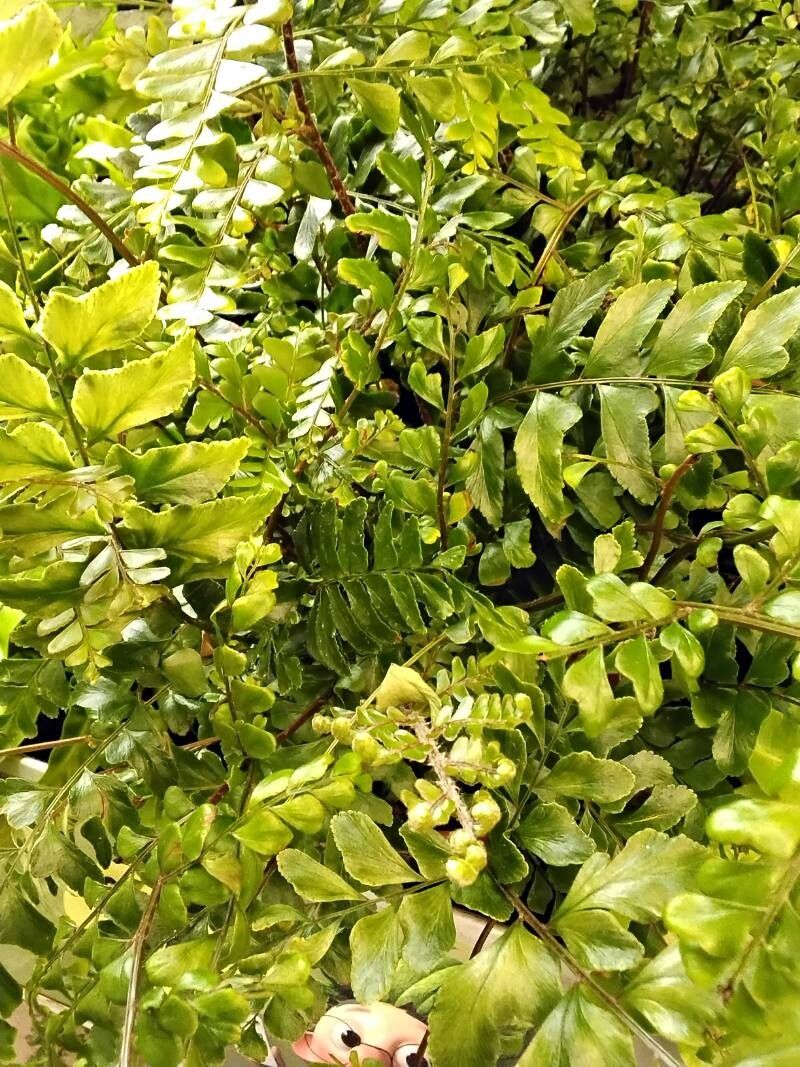
Oh, Asplenium bipartitum! What a delightful fern. Its fronds, with those lovely, deeply divided segments, bring such an architectural elegance to any shady corner. If you’ve ever admired one and thought, “I’d love more of those!” then you’re in for a treat. Propagating these beauties is incredibly rewarding, and honestly, it’s not as daunting as you might think. While it might not be the absolute easiest plant for a brand-new beginner, with a little patience and these tips, you’ll be well on your way to a fern-filled haven.
The Best Time to Start
For the highest success rate, spring and early summer are your best friends for propagating Asplenium bipartitum. This is when the plant is actively growing and has the most energy to put into developing new roots. You can also have success with division in the fall, as long as you give the new plant plenty of time to establish before winter truly sets in.
Supplies You’ll Need
Gathering your supplies beforehand makes the whole process much smoother. Here’s what I usually have on hand:
- Sharp, clean pruning shears or a sharp knife.
- A good quality potting mix. For ferns, I love a mix that drains well but retains a bit of moisture. A blend of peat moss, perlite, and a bit of coco coir works wonders. You can also find specific fern mixes.
- Small pots or trays with drainage holes.
- A spray bottle. For misting.
- Rooting hormone (optional but helpful). This can really give your cuttings a boost.
- Plastic bags or a propagation dome. To maintain humidity.
- Labels and a marker. To keep track of your new babies!
Propagation Methods
Asplenium bipartitum is best propagated through division. This is where you gently separate sections of the parent plant, each with its own healthy roots and fronds.
Division: Step-by-Step
- Carefully Remove the Parent Plant: Gently ease your Asplenium bipartitum out of its pot. If it’s stuck, don’t force it! You might need to run a knife around the edge of the pot.
- Inspect the Roots: Look at the root ball. You’re looking for natural divisions where new growth is already emerging from older sections. The goal is to find clumps that contain both healthy fronds and a decent root system.
- Gently Separate: This is the most crucial step! Using your clean hands, a blunt object like a chopstick, or a gently wriggling motion of your knife, try to tease apart the sections. If you encounter thick roots, don’t be afraid to use your clean pruning shears to cut through them, but try to make the cuts as clean as possible. The aim is to divide, not tear. Each new division should have at least a few fronds and a good clump of roots.
- Pot Up Your Divisions: Prepare your small pots with your chosen potting mix. Make a little well in the center for the roots to spread out. Place each division into its own pot, ensuring the crown (where the fronds emerge from the roots) is at soil level. Gently firm the soil around the roots.
- Water Thoroughly: Water each new pot well until water drains from the bottom. This helps settle the soil and encourages root contact.
The “Secret Sauce” (Pro Tips)
You know, over the years, I’ve learned a few little tricks that really make a difference.
- Humidity is King: After potting your divisions, don’t let them dry out, even for a moment. The best way to keep them happy is to pop a clear plastic baggie over the pot, creating a mini-greenhouse. Or, if you have a propagation dome, use that! Make sure the leaves don’t touch the plastic if possible, as this can encourage rot.
- Think “Dappled Shade”: When you place your newly potted divisions, make sure they’re in a bright location, but out of direct sunlight. Direct sun will scorch those tender new fronds. Think about where a woodland fern would naturally thrive – under a larger tree, getting filtered light.
- Be Patient with Roots: It can take a few weeks, sometimes up to a month, for divisions to really settle in and start producing new growth. Don’t get discouraged if you don’t see new fronds immediately. The roots are working away underground!
Aftercare & Troubleshooting
Once your divisions look like they’re settling in, you can gradually reduce the humidity over a week or two by opening the plastic baggie a little more each day. Continue to keep the soil consistently moist but not waterlogged. Watering when the top inch of soil feels dry is usually a good rule of thumb.
The most common issue you’ll encounter is rot, usually due to overwatering or poor drainage. If you see fronds turning yellow, then brown and mushy at the base, this is a sign the roots are struggling. Unfortunately, if rot sets in, it can be hard to save the division. Always err on the side of slightly drier rather than too wet. Another sign of stress is wilting, which can be from being too dry, or sometimes from shock. Try to identify the cause and adjust your watering.
A Encouraging Closing
Propagating Asplenium bipartitum is a deeply satisfying experience. It’s a chance to connect with your plant on a whole new level, to nurture new life from an established favorite. Be patient, observe your new plants closely, and trust your gardening instincts. You’ve got this! Happy propagating!
Resource:
https://identify.plantnet.org/k-world-flora/species/Asplenium%20bipartitum%20Bory%20ex%20Willd./data