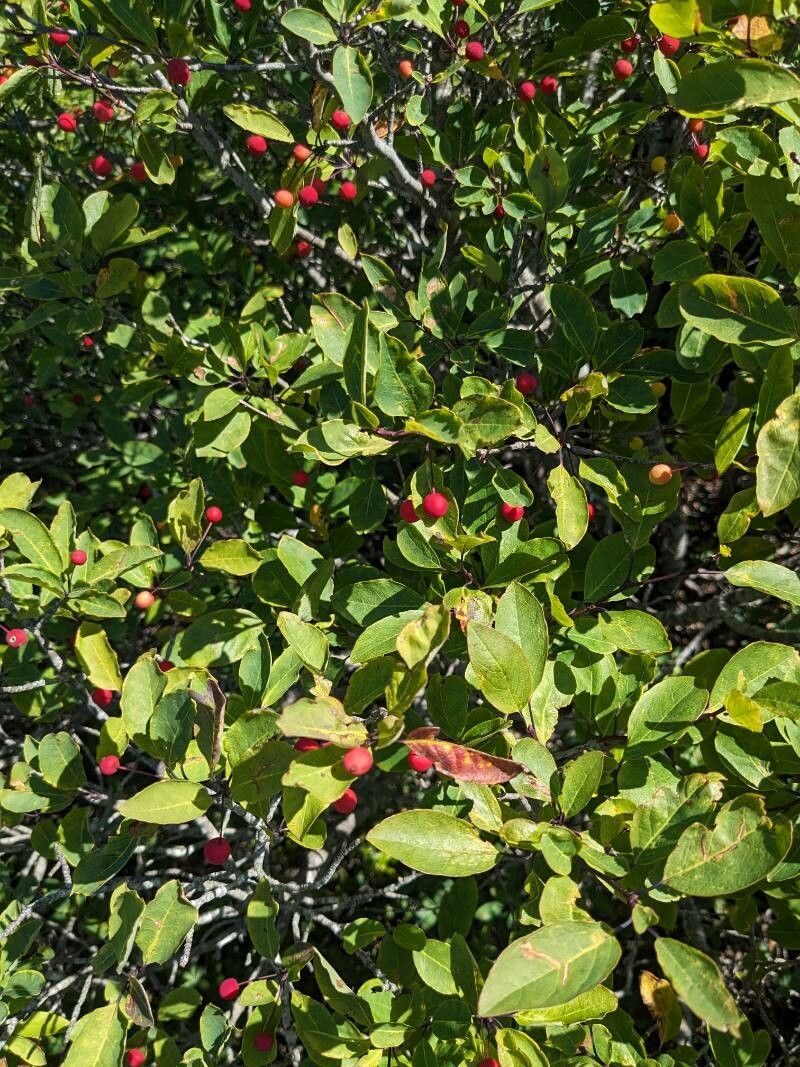
Hey there, fellow plant enthusiasts! I’m so thrilled you’re here today to talk about one of my favorite under-the-radar gems: Ilex mucronata, commonly known as swamp holly or devil’s berry. If you’re looking for a beautiful, native shrub that offers year-round interest with its glossy leaves and charming red berries, this is your plant! And guess what? Propagating it yourself is a incredibly rewarding adventure. While it might not be quite as straightforward as propagating your very first pothos, it’s absolutely achievable and a wonderful way to expand your collection or share with friends.
The Best Time to Start
For the highest success rates with Ilex mucronata, I’ve found late spring to early summer is your golden window. This is when the plant is actively growing, and the new shoots are nice and pliable, perfect for taking cuttings. Aim for wood that is no longer soft and green (that’s called herbaceous) but not yet hard and woody. It should snap cleanly when bent.
Supplies You’ll Need
Gathering your tools beforehand makes the whole process so much smoother. Here’s a little list to get you started:
- Sharp pruning shears or a clean, sharp knife: For making clean cuts.
- Rooting hormone powder or gel: This is your best friend for encouraging root development.
- Small pots or trays: With drainage holes, of course!
- A well-draining potting mix: I like a blend of peat moss, perlite, and a little bit of compost. Some people swear by a simple mix of half perlite and half peat moss.
- Plastic bags or a propagation dome: To create a humid environment.
- Small labels and a permanent marker: To keep track of your cuttings!
Propagation Methods
Let’s dive into the nitty-gritty of getting these beauties to root. We’ll focus on the most reliable method: stem cuttings.
Stem Cuttings
This is my go-to for Ilex mucronata. It’s predictable and gives you a great chance of success.
- Take Your Cuttings: On a healthy branch, make a clean cut just below a leaf node (where a leaf attaches to the stem). You want pieces that are about 4-6 inches long. Remove the lower leaves, leaving just a few at the top.
- Prepare the Cutting: Dip the cut end into your rooting hormone. Tap off any excess.
- Plant Your Cuttings: Fill your small pots with your prepared potting mix. Make a hole in the center with your finger or a pencil and gently insert the cutting. Firm the soil around it.
- Water and Cover: Water the pot thoroughly until you see water drain from the bottom. Then, place the pot inside a plastic bag or cover it with a propagation dome. This creates a mini-greenhouse effect, keeping humidity high, which is crucial for cuttings.
The “Secret Sauce” (Pro Tips)
Here are a few tricks I’ve picked up over the years that really make a difference for trickier plants like Ilex mucronata:
- Bottom Heat is Your Friend: For even faster and more reliable rooting, placing your pots on a gentle heat mat can work wonders. It encourages root formation from the bottom up. Just a low, steady warmth is all you need.
- Don’t Over-Water: While humidity is key, soggy soil is the enemy of new cuttings. Allow the top inch of soil to dry out slightly between waterings. You’ll learn to feel it. This prevents rot before roots even have a chance to form.
- Sterilize Everything: Before you start, make sure your pruning shears and pots are squeaky clean. Even a little bit of lingering disease can take out your precious cuttings before they even get going. A quick wipe with rubbing alcohol does the trick.
Aftercare & Troubleshooting
Once you’ve got your cuttings planted, patience is your mantra. Keep them in that humid environment and place them in bright, indirect light. Avoid direct sun, which can scorch the tender leaves.
After a few weeks, you can gently tug on a cutting. If you feel resistance, congratulations! You’ve got roots! At this point, you can start to gradually acclimate them to normal room humidity by opening the bag or dome a little more each day over about a week.
Now, if things aren’t going as planned, don’t despair! The most common issue is rot. If you see mushy stems or leaves turning yellow and falling off rapidly, it’s usually a sign of too much moisture and not enough air circulation. Your best bet is to pull the cutting, check the stem, and if it’s already gone, learn from it and try again with slightly drier conditions. Sometimes, cuttings just don’t take, and that’s part of the gardening journey.
A Encouraging Closing
Propagating Ilex mucronata is a wonderful way to connect with nature and build your garden. Be patient with yourself and the plants. Each cutting is a little experiment, a tiny promise of future beauty. Enjoy the process, celebrate every little success, and before you know it, you’ll have a whole new patch of these lovely shrubs to admire! Happy gardening!
Resource: