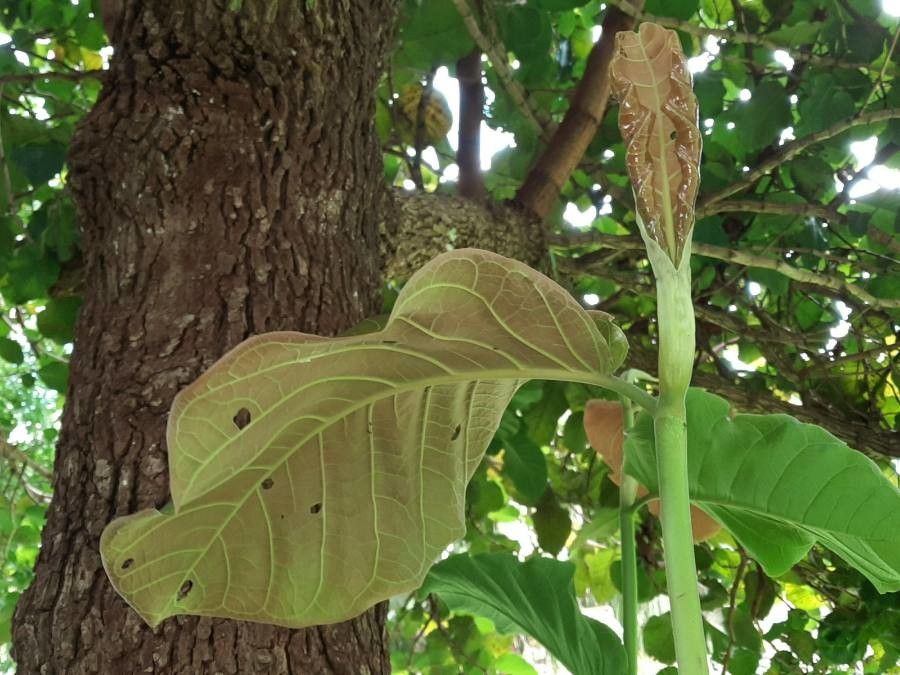
Oh, hello there! Grab your favorite mug – I’ve always found a warm drink helps when talking about getting our hands dirty. Today, we’re diving into the wonderful world of Coccoloba caracasana, also known as the Sea Grape, though it hails from Caracas, not the seaside! These beauties are just delightful with their large, leathery leaves and the way they can transform a sunny spot into a tropical oasis. And guess what? Propagating them is a journey I absolutely love. It’s not the simplest plant to get started with if you’re a complete beginner, but with a little patience and some good old-fashioned know-how, you’ll be rewarded with a whole new family of your own.
When to Get Planting
The sweet spot for propagating Coccoloba caracasana is definitely late spring through early summer. Think of it as when the plant is buzzing with energy, ready to grow. After a long winter, the days are getting longer, and the warmth really kicks things into gear. This is when your cuttings will have the best chance of taking off and developing strong roots.
Your Propagation Toolkit
Here’s what you’ll want to have on hand. It’s not too complicated, I promise!
- Sharp Pruning Shears or a Knife: Clean cuts are key to preventing disease.
- Rooting Hormone: This is like a little booster shot for your cuttings. I like the powder form.
- Small Pots or Containers: About 4-6 inch pots work well. Make sure they have drainage holes!
- Well-Draining Potting Mix: A good blend of peat moss, perlite, and a bit of coarse sand is ideal. You want it to dry out between waterings.
- Watering Can or Spray Bottle: Gentle watering is crucial.
- Clear Plastic Bag or Humidity Dome: To create a mini greenhouse effect.
- Labels: So you don’t forget what’s what!
Let’s Get Growing!
We’ll focus on the most reliable method for Coccoloba caracasana: stem cuttings.
- Select Your Cuttings: Look for healthy, vigorous stems on your mature plant. You want pieces that are about 4-6 inches long, with at least a couple of leaf nodes (where the leaves attach to the stem). Avoid any that are too woody or too soft and green.
- Make the Cut: Using your clean shears or knife, make a clean, angled cut just below a leaf node. This is where a lot of the magic happens in terms of root development.
- Prepare the Cutting: Gently remove the lower leaves from your cutting, leaving just two or three at the top. This helps the plant conserve energy and prevents the leaves from rotting when buried.
- Dip in Rooting Hormone: Lightly moisten the cut end of the stem and dip it into your rooting hormone powder. Tap off any excess.
- Plant Your Cuttings: Fill your small pots with your well-draining potting mix. Make a hole in the center with your finger or a pencil, and carefully insert the cutting, ensuring the leaf nodes are below the surface of the soil. Gently firm the soil around the stem.
- Water Gently: Water the pot thoroughly but gently. You want the soil to be moist, not soggy.
- Create a Humid Environment: Cover the pot with a clear plastic bag, securing it around the rim with a rubber band, or place it beneath a humidity dome. This keeps the humidity high, which is essential for the cuttings. Place the pots in a bright spot, but out of direct, harsh sunlight.
My “Secret Sauce” Tips
Okay, lean in closer for this part! These are a few things I’ve learned over the years that really make a difference.
- Don’t Overcrowd: Give your cuttings a little breathing room. If they’re too close together, they can start competing and might be more prone to fungal issues.
- Bottom Heat is Your Friend: If you have one, place your pots on a gentle heating mat. This warmth encourages root development from below, really giving your cuttings a head start. You can usually find these online or at garden centers.
- The “Snap” Test (Later): After a few weeks, you can very gently tug on a cutting. If you feel resistance, that’s a good sign roots are forming! But be super careful not to disturb developing roots.
Aftercare and What to Watch For
Once your cuttings have started to show signs of rooting – usually after 4-8 weeks – you can start to gradually acclimate them to normal humidity. This means slowly opening up the plastic bag or dome by a bit each day over the course of a week.
Keep the soil consistently moist but not waterlogged. Overwatering is the most common culprit for failure, leading to rot. If you see your cutting wilting, turning mushy, or developing black spots, it could be a sign of rot. Sadly, at that point, it’s usually best to discard it and try again. But don’t get discouraged! Sometimes it takes a few tries. You’ll know your plant is truly established when you see new leaf growth.
Keep on Growing!
There you have it! Propagating Coccoloba caracasana is a rewarding process that lets you share the joy of this beautiful plant. Be patient with your little cuttings; they’re working hard to establish themselves. Enjoy the journey, and happy gardening!
Resource:
https://identify.plantnet.org/k-world-flora/species/Coccoloba%20caracasana%20Meisn./data