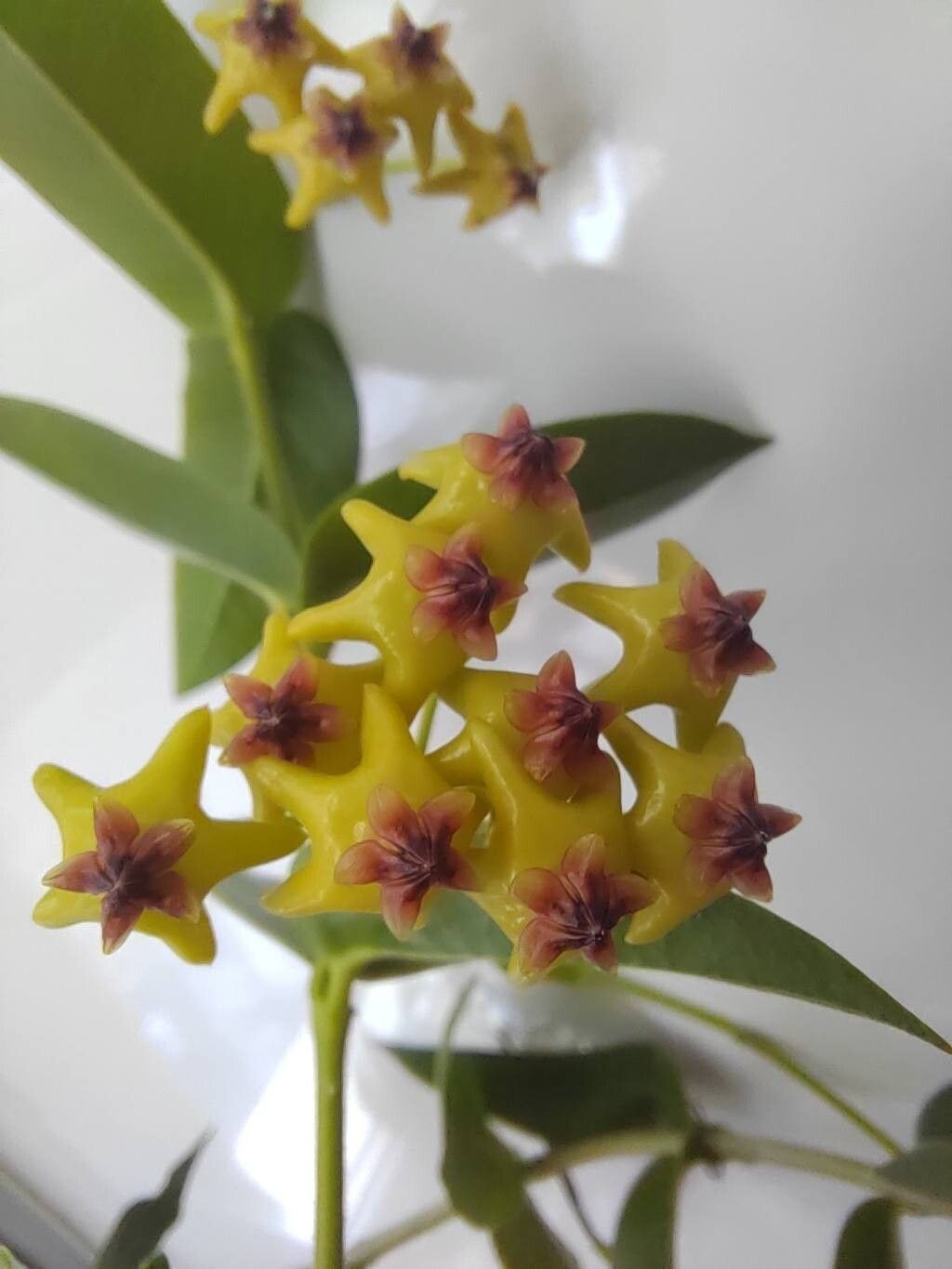
Oh, Hoya pachyclada! If you haven’t met this beauty yet, you’re in for a treat. Its thick, succulent-like leaves are just begging to be touched, and the promise of those creamy white, star-shaped flowers makes it a true gem of a houseplant. And the best part? You can easily share its joy by propagating it! I’ve been working with Hoyas for two decades, and I can tell you, pachyclada is a wonderfully rewarding plant to multiply. For beginners, it’s quite forgiving, which is always a plus in my book.
The Best Time to Start
My favorite time to get my hands dirty with Hoya propagation is usually in late spring or early summer. This is when most of my plants are actively growing, meaning they have plenty of energy to put into developing new roots. You’re looking for healthy, actively growing stems, not anything that looks tired or stressed.
Supplies You’ll Need
Before we dive in, let’s gather our tools. Nothing too fancy here, just the essentials:
- Sharp, clean pruning shears or a knife: This is crucial for making clean cuts so your plant doesn’t get stressed.
- A well-draining potting mix: I like to use a mix specifically for aroids or succulents. You can also make your own by combining peat moss, perlite, and orchid bark.
- Small pots or containers: Anything from tiny nursery pots to small plastic cups with drainage holes will work.
- Rooting hormone (optional, but recommended): This little boost can significantly speed up root development.
- Clear plastic bags or a propagation dome: To create a humid environment for your cuttings.
- Water: For the water propagation method, filtered or distilled water is best.
- A spray bottle: For misting.
Propagation Methods
Let’s get our hands on some new little pachycladas! I find two main methods work beautifully for Hoya pachyclada.
Stem Cuttings
This is my go-to method, and it’s super effective.
- Take a cutting: Look for a healthy stem that has at least two to three sets of leaves. Using your clean shears, make a cut just below a leaf node (the point where the leaves attach to the stem). You want a cutting that’s about 4-6 inches long.
- Prepare the cutting: Gently remove the bottom leaf or two, exposing the leaf nodes. This is where the roots will emerge. If you’re using rooting hormone, dip the end of the cutting into it now, tapping off any excess.
- Plant it: Fill your small pot with your well-draining potting mix. Make a small hole in the center and insert the cut end of the stem, ensuring the exposed nodes are buried in the soil. Gently firm the soil around it.
- Water lightly: Give the soil a gentle watering. You want it to be moist, but not soggy.
- Create humidity: Cover the pot with a clear plastic bag or place it inside a propagation dome. This will create a mini-greenhouse effect. Make sure the leaves aren’t touching the plastic if possible.
Water Propagation
This method is a bit more visual and can be very satisfying to watch!
- Prepare your cutting: Similar to the stem cutting method, take a 4-6 inch cutting with at least two to three leaf nodes. Remove the lower leaves to expose the nodes.
- Set it up: Fill a clean jar or glass with filtered or distilled water.
- Place the cutting: Submerge the exposed leaf nodes in the water. Make sure no leaves are underwater, as this can lead to rot.
- Find a good spot: Place your jar in a bright spot with indirect sunlight. Change the water every few days, or whenever it starts to look cloudy.
The “Secret Sauce” (Pro Tips)
Over the years, I’ve learned a few tricks that seem to make all the difference.
- Bottom heat is your friend: For both methods, placing your pots or jars on a heat mat can significantly speed up root development. Hoyas love a little warmth to get things going.
- Don’t overwater, ever: This is probably the most common mistake with cuttings. Moist, not wet, is the mantra. If the soil stays too wet, you’ll end up with rot, not roots.
- Patience is key – really patience!: I know, I know, it’s hard to wait. But don’t be tempted to pull your cuttings out to check for roots too soon. Give them at least 4-6 weeks before you start inspecting.
Aftercare & Troubleshooting
Once you see those beautiful new roots have formed – hooray!
- For stem cuttings: If your cutting has developed a good root system (you might see roots peeking out of the drainage holes or feel resistance when you gently tug), it’s time to treat it like a mature plant. Continue to keep it in a humid environment for a week or two more, gradually acclimating it to normal room humidity. Water when the top inch of soil is dry.
- For water propagation: Once the roots are about an inch or two long, you can pot them up into your well-draining potting mix. Treat them as you would a newly potted mature plant.
- Troubleshooting: The biggest issue you’ll likely face is rot. If your cutting turns black and mushy, it’s usually a sign of too much moisture or a lack of airflow. If you catch it early, you might be able to salvage a healthy piece by cutting above the rot and starting again. Yellowing leaves can also indicate overwatering or sometimes just stress.
A Little Encouragement
Propagating plants is such a beautiful way to connect with nature and watch life unfurl. Don’t get discouraged if your first attempt isn’t a roaring success. Every plant and every cutting is a learning experience. Enjoy the process, celebrate the tiny victories, and soon you’ll have a whole collection of lovely Hoya pachycladas to enjoy and share!
Resource:
https://identify.plantnet.org/k-world-flora/species/Hoya%20pachyclada%20Kerr/data