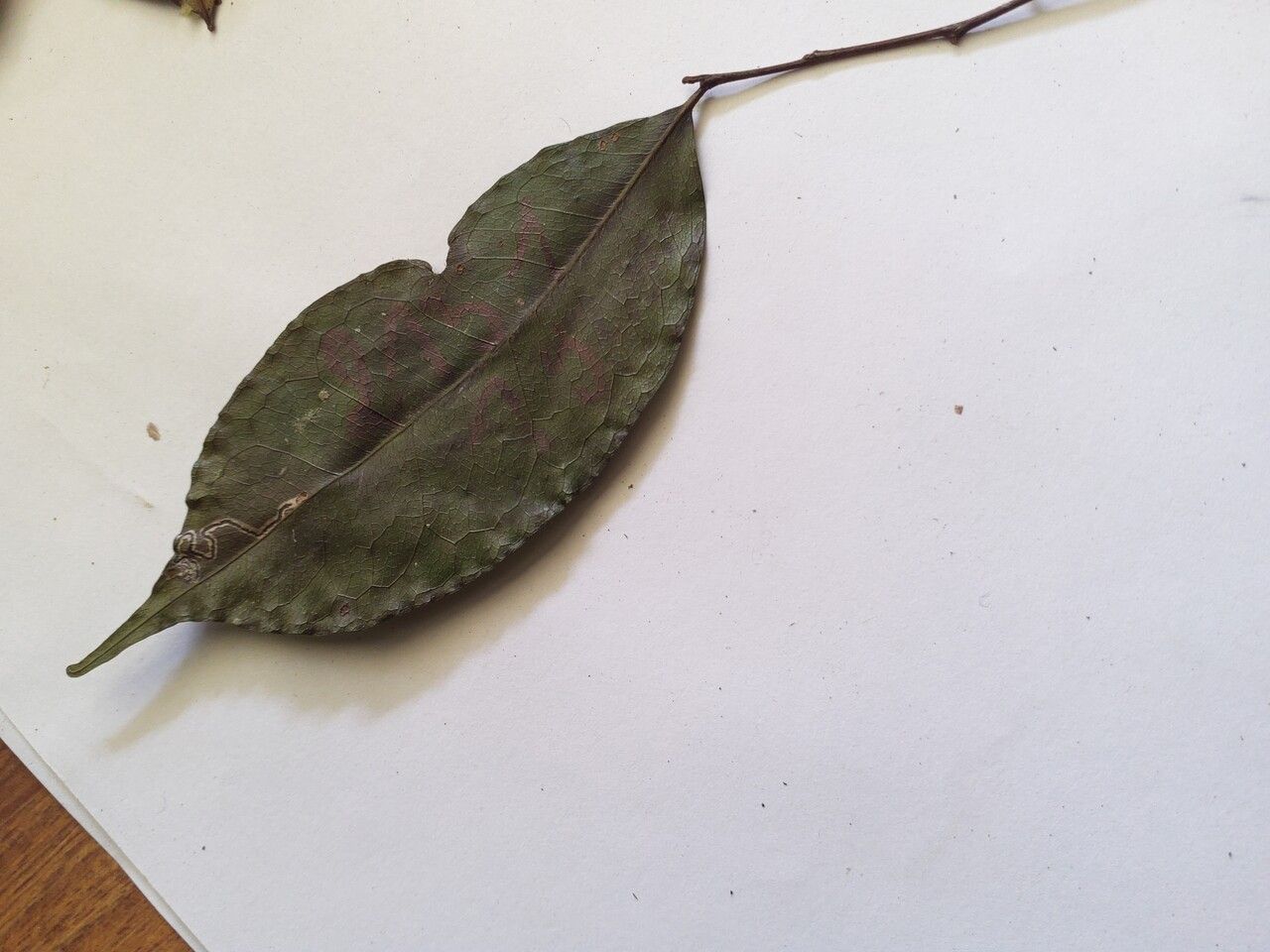
Hello and welcome back to my little corner of the internet! Today, we’re diving into the wonderful world of propagating Hirtella bicornis. If you’ve ever admired this plant’s unique charm – its delicate foliage and often understated blooms – then you’re in for a treat. Sharing this beauty is one of the most satisfying parts of gardening, and I’m thrilled to guide you through it.
Now, let’s address the elephant in the room: is Hirtella bicornis a beginner-friendly plant to propagate? Honestly, it can be a tad more challenging than, say, a pothos. But don’t let that deter you! With a little patience and the right approach, you can absolutely succeed. Think of it as a rewarding challenge that will deepen your understanding of plant propagation.
The Best Time to Start
For the highest success rate with Hirtella bicornis, you’ll want to focus on propagation during its active growing season. This typically falls in late spring and early summer, when the plant has plenty of energy and is pushing out new growth. You’re looking for semi-hardwood cuttings, which are stems that have started to firm up but aren’t yet woody and old. Avoid taking cuttings from new, very soft, and floppy growth.
Supplies You’ll Need
Gathering your tools beforehand makes the whole process much smoother. Here’s what you’ll want on hand:
- Sharp, clean pruning shears or a sharp knife: Essential for making clean cuts to minimize damage. Sterilize them with rubbing alcohol between cuts.
- Rooting hormone (optional, but recommended): A powder or gel that encourages root development. Look for one formulated for stem cuttings.
- Well-draining potting mix: I prefer a mix of equal parts peat moss or coco coir, perlite, and a bit of coarse sand. This ensures good aeration and prevents waterlogging.
- Small pots or propagation trays: Clean containers with drainage holes are a must.
- Plastic bags or a propagation dome: To maintain high humidity around the cuttings.
- Water: For misting and, if you choose, for water propagation.
- Small labels and a marker: To keep track of what you’ve propagated and when!
Propagation Methods
While Hirtella bicornis can be a bit finicky, stem cuttings are generally the most reliable method for experienced propagators.
Stem Cuttings:
- Select Your Cuttings: Look for healthy, disease-free stems on your mature plant. You want sections that are about 4-6 inches long and have at least two sets of leaves. As mentioned, aim for that semi-hardwood stage.
- Make the Cut: Using your sterilized shears, make a clean cut just below a leaf node. A leaf node is where a leaf attaches to the stem. This is where future roots will emerge.
- Prepare the Cutting: Gently remove the lower leaves from the cutting, leaving only the top one or two pairs. This prevents them from rotting in the soil. You can cut larger leaves in half to reduce water loss through transpiration.
- Apply Rooting Hormone (Optional): If you’re using rooting hormone, dip the cut end of the stem into the powder or gel, tapping off any excess.
- Plant the Cuttings: Fill your clean pots with your well-draining mix. Make a small hole in the center of the soil with a pencil or your finger. Insert the cut end of the stem into this hole, ensuring the leaf nodes are below the soil line. Gently firm the soil around the cutting.
- Water and Cover: Water the soil thoroughly until you see water draining from the bottom. Then, cover the pot with a clear plastic bag or place it under a propagation dome. This creates a mini-greenhouse environment, keeping humidity high.
Water Propagation (Use with Caution for Hirtella bicornis):
While some plants root beautifully in water, Hirtella bicornis can be prone to stem rot when left in water for too long. If you choose this method:
- Prepare your cutting as described above, removing only the lowest leaves.
- Place the cutting in a clean jar of water, ensuring no leaves are submerged.
- Change the water every few days to keep it fresh.
- Observe for root development. Once you see little white roots emerging, it’s crucial to transplant it into soil immediately. Don’t wait for them to get too long.
The “Secret Sauce” (Pro Tips)
Here are a couple of tricks I’ve learned over the years that can make a real difference:
- Bottom Heat is Your Friend: Hirtella bicornis really thrives with a little warmth from below. Placing your propagation pots on a heated propagation mat can significantly speed up root development. It mimics the warmth of spring soil and encourages those roots to get going.
- Don’t Drown Your Leaves: This is especially important if you opt for water propagation, but it applies to soil too. Any leaves that sit below the soil line in the pot or below the water surface in a jar are prime candidates for rot. Keep them out of the moisture!
- Be Patient with the Mist: While you want to keep humidity high, resist the urge to soak the leaves constantly. A light misting of the foliage every day or two is usually sufficient when the cuttings are under cover. Over-misting can encourage fungal issues.
Aftercare & Troubleshooting
Once your cuttings have developed a good root system (you can gently tug on them, and they should resist being pulled out easily, or you might even see roots emerging from the drainage holes), it’s time for them to move into their own pots.
- Potting Up: Carefully transplant your rooted cuttings into individual pots with a good quality potting mix. Water them in gently.
- Gradual Acclimatization: Continue to keep them in a spot with bright, indirect light and gradually reduce the humidity over a week or two. Remove the plastic bag for longer periods each day before taking it off completely.
- Watering: Water when the top inch of soil feels dry. Avoid letting them sit in soggy soil – this is a fast track to root rot.
Troubleshooting: The most common issue you’ll encounter is rot, which usually presents as a blackened, mushy stem at the soil line. This is often a sign of too much moisture and not enough air circulation, or the cutting was already compromised. If you see this, unfortunately, the cutting is likely lost. Another sign of failure is if the leaves wilt and eventually turn brown and brittle, indicating it hasn’t rooted and is drying out.
A Encouraging Closing
Propagating Hirtella bicornis might require a little more finesse, but the satisfaction of nurturing these new plants from simple cuttings is truly immense. Don’t be discouraged if you have a few failures along the way; every gardener does! Just observe, learn, and try again. The most important ingredient is your patience and your willingness to connect with these beautiful plants. Happy propagating!
Resource:
https://identify.plantnet.org/k-world-flora/species/Hirtella%20bicornis%20Mart.%20&%20Zucc./data