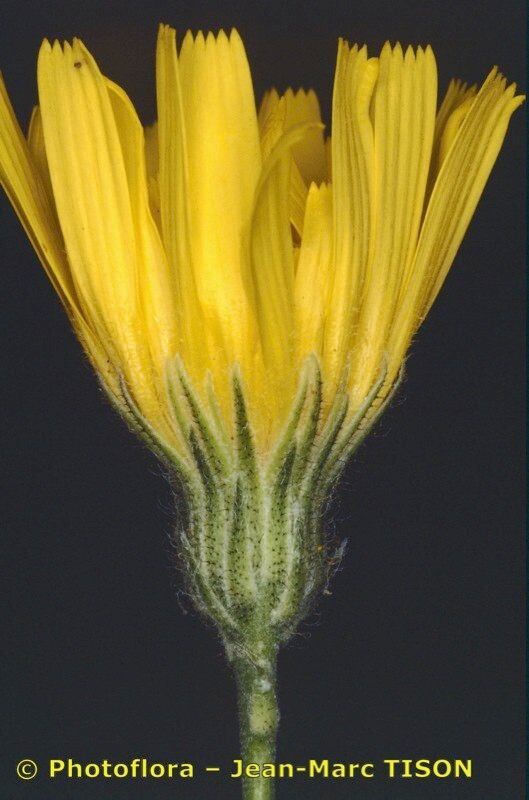
Hello fellow plant lovers! Today, we’re diving into the charming world of Hieracium gavellei, that delightful rosette-forming perennial with its lovely yellow blooms. I’ve always found these little beauties to be such cheerful additions to any garden, especially when they put on their summer show. Propagating them is not only a fantastic way to expand your collection for free, but it’s also incredibly satisfying. Good news: for those of you just starting out in the plant propagation adventure, Hieracium gavellei is quite forgiving! A wonderful beginner-friendly choice, really.
The Best Time to Start
When the plant is really hitting its stride, that’s your cue. Aim for late spring or early summer. This is when Hieracium gavellei is actively growing and has plenty of energy to put into forming new roots. You’ll often see it sending up new shoots from the base or developing runners. That’s your golden ticket to a successful propagation.
Supplies You’ll Need
Here’s what you’ll want to have on hand to make the process smooth sailing:
- Sharp pruning shears or a clean knife: For making precise cuts.
- Small pots or trays: With drainage holes, of course!
- Well-draining potting mix: A good quality seed starting mix or a blend of peat moss, perlite, and a bit of compost works wonders.
- Rooting hormone (optional but recommended): Encourages faster and stronger root development.
- Plastic bags or a propagator: To create a humid environment.
- Trays or saucers: To catch any excess water.
- Soft water or filtered water: To keep your cuttings hydrated.
Propagation Methods
Hieracium gavellei is a champion at reproducing itself, and the easiest way to get more of these beauties is by using its natural tendencies.
1. Division (The Easiest Route!)
This is my go-to for Hieracium gavellei because it’s so straightforward and often involves less risk.
- When: You can do this in spring as new growth emerges or in early autumn after flowering.
- How: Gently dig up the potted plant or carefully unearth the clump from the garden. You’ll see multiple rosettes or crowns.
- Separate: Using your hands or a clean trowel, gently pull or cut the clumps apart. Make sure each division has at least a few leaves and some roots attached.
- Pot up: Plant each division into its own pot filled with your well-draining potting mix. Water thoroughly.
2. Runner Cuttings (Taking Advantage of “Babies”)
Hieracium gavellei often produces runners, which are essentially baby plants forming on a stem.
- When: Again, late spring to early summer is ideal. Look for runners that have started to form their own small leaves.
- Identify: Find a healthy runner with a small rosette forming at its tip.
- Cut: Using your sharp shears, cut the runner about an inch or two away from the mother plant, ensuring the baby plant has a few leaves and ideally a bit of stem. If the runner has already developed tiny roots, even better!
- Pot up: Plant the cutting directly into a small pot filled with your prepared potting mix. You can lightly dip the cut end in rooting hormone first, if you’re using it.
- Water: Water gently. You can then cover the pot with a clear plastic bag or place it in a propagator to retain humidity.
The “Secret Sauce” (Pro Tips)
Here are a few tricks I’ve learned over the years that really make a difference:
- Don’t let the leaves touch the water: If you’re trying a water propagation method (though I find division and runners are more reliable for this specific plant), make sure only the stem is submerged. Any foliage in the water will likely rot.
- Bottom heat is your friend: For cuttings, popping your pots or trays on a heat mat designed for plants can significantly speed up root formation. It mimics the warmth of spring soil and gives those roots a real boost.
- Start with healthy material: This sounds obvious, but it’s crucial. Only take cuttings or divide healthy, vigorous plants. If the parent plant is struggling, your new babies likely will too.
Aftercare & Troubleshooting
Once your baby Hieracium gavellei is potted up, keep the soil consistently moist but not soggy. Place them in a bright spot out of direct, harsh sunlight.
- Rooting Check: After a few weeks, you can gently tug on the plant. If you feel resistance, roots have formed!
- Signs of Trouble: The most common issue is rot. Yellowing leaves, a mushy stem base, or an unpleasant smell are all indicators of overwatering or damping off. If you see this, try to remove the affected parts, allow the soil to dry out a bit more, and ensure good air circulation. Sometimes, sadly, a cutting just doesn’t take. Don’t be discouraged! It happens to all of us.
A Little Patience Goes a Long Way
Propagating plants is a bit like nurturing a baby – it requires patience, attention, and a whole lot of love. Don’t rush the process, keep an eye on your little ones, and celebrate every tiny success. Soon, you’ll have a whole garden full of these cheerful Hieracium gavellei! Happy growing!
Resource:
https://identify.plantnet.org/k-world-flora/species/Hieracium%20gavellei%20de%20Retz/data