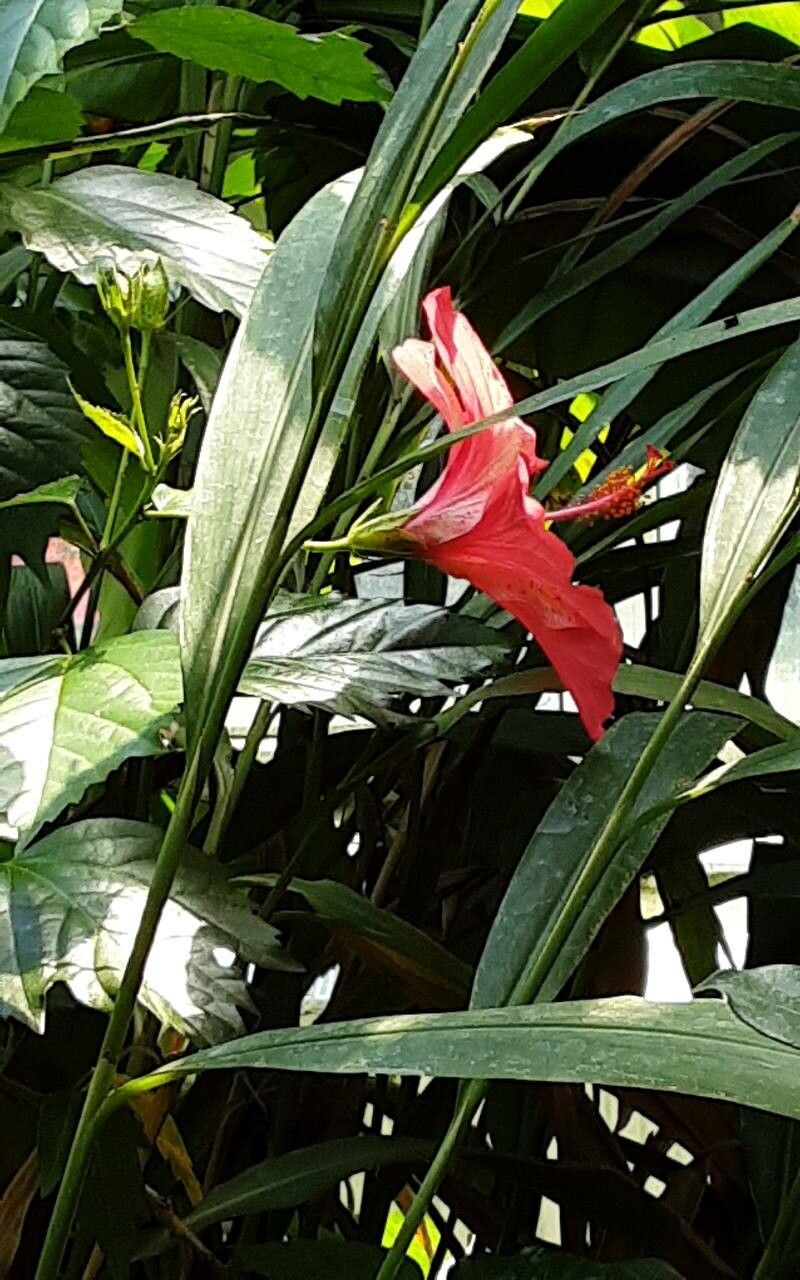
Hello my fellow garden enthusiasts! Today, we’re diving into the wonderful world of Hibiscus angolensis. If you’ve ever admired the vibrant blooms and lush foliage of this tropical beauty, you’re in for a treat. Propagating your own hibiscus is a truly rewarding experience, and thankfully, Hibiscus angolensis is quite obliging. It’s a wonderful plant for both seasoned gardeners looking to expand their collection and for those brave beginners ready to try their hand at propagation.
The Best Time to Start
When it comes to getting the best results, timing is everything. Late spring to early summer is generally your sweet spot for propagating Hibiscus angolensis. This is when the plant is in its active growth phase, meaning it has plenty of energy to put into forming new roots. You’ll want to wait until your plant is growing vigorously, not when it’s recovering from a harsh winter or gearing up for dormancy.
Supplies You’ll Need
Before we get our hands dirty, let’s gather our tools. Having everything ready makes the process so much smoother.
- Sharp Pruning Shears or a Craft Knife: Clean cuts are crucial for successful rooting.
- Rooting Hormone: This isn’t strictly necessary for Hibiscus angolensis, but it can give your cuttings a nice boost. Look for a product in powder or gel form.
- Well-Draining Potting Mix: A blend of peat moss, perlite, and a little compost works wonders. You can also use a sterile seed-starting mix.
- Small Pots or Trays: Clean containers are essential to prevent disease.
- Plastic Bags or a Propagator: This helps maintain humidity around the cuttings.
- Water: For watering and, if you choose, water propagation.
- Labels: Don’t forget to label your creations so you know what’s what!
Propagation Methods
Hibiscus angolensis is amenable to a couple of common propagation techniques. Let’s explore them.
Stem Cuttings
This is often the most reliable method for hibiscus.
- Select Your Cuttings: Look for healthy, non-flowering stems that are about 4-6 inches long. You want stems that are still somewhat flexible but not brand new and soft. Think of a pencil-thick stem.
- Make the Cut: Using your sharp pruning shears or craft knife, make a clean cut just below a leaf node (where a leaf attaches to the stem). This is an area with a high concentration of growth hormones.
- Prepare the Cutting: Gently remove the lower leaves, leaving just a few at the top. If you have very large leaves, you can even snip those in half to reduce water loss.
- Apply Rooting Hormone (Optional): Dip the cut end of the stem into your rooting hormone, tapping off any excess.
- Plant the Cuttings: Fill your small pots with your pre-moistened potting mix. Make a hole in the center with your finger or a pencil, and insert the cutting. Gently firm the soil around it.
- Create a Humid Environment: Water the soil lightly, and then cover the pot with a plastic bag (tenting it up with a stick or skewer so it doesn’t touch the leaves) or place it inside a propagator.
Water Propagation
This method is simple and allows you to see the roots forming.
- Take Cuttings: Follow steps 1 and 2 from the stem cutting method.
- Place in Water: Place the prepared cuttings in a jar or vase of clean water. Make sure to remove any leaves that would be submerged. Submerged leaves will rot and contaminate the water.
- Change the Water Regularly: Aim to change the water every few days to keep it fresh and prevent bacterial growth.
- Wait for Roots: You should start to see tiny white roots appearing from the nodes within a few weeks. Once the roots are about an inch long, they are ready to be transplanted into soil.
The “Secret Sauce” (Pro Tips)
These little tricks have made all the difference for me over the years.
- Bottom Heat is Your Friend: For stem cuttings, placing your pots on a gentle heat mat designed for propagation can significantly speed up root development. It mimics the warmth they’d naturally receive from the soil.
- Don’t Overwater the Soil for Cuttings: While humidity is key, soggy soil is the enemy. It can lead to rot before roots even have a chance to form. The soil should be consistently moist, but not waterlogged.
- Consider Air Layering for Larger Plants: If you have a well-established Hibiscus angolensis and want to try something a bit more advanced, air layering can be a fantastic way to create a new plant while the parent is still on the mother plant, giving it a head start. It involves making a cut on a stem, wrapping it in moist sphagnum moss, and then covering it with plastic wrap until roots form.
Aftercare & Troubleshooting
Once you see signs of life – new leaf growth or visible roots – your little hibiscus is on its way!
- Acclimatize Gradually: If you used a plastic bag or propagator, start by removing it for a few hours each day to gradually acclimate your new plant to normal humidity levels.
- Watering: Water your newly rooted cuttings when the top inch of soil feels dry.
- Light: Place them in a spot with bright, indirect light. Avoid harsh, direct sun, which can scorch delicate new leaves.
Watch out for signs of rot, which usually manifest as mushy, black stems. This is often due to overwatering or poor air circulation. If you see this, it’s unfortunately too late for that particular cutting. The best defense is prevention: use clean tools, well-draining soil, and be mindful of watering.
A Encouraging Closing
Propagating plants is a journey, and sometimes it has its ups and downs. Don’t get disheartened if every single cutting doesn’t make it. Each attempt is a learning experience. Be patient, enjoy the process of nurturing these new beginnings, and soon you’ll be rewarded with your very own blooming Hibiscus angolensis! Happy gardening!
Resource:
https://identify.plantnet.org/k-world-flora/species/Hibiscus%20angolensis%20Exell/data