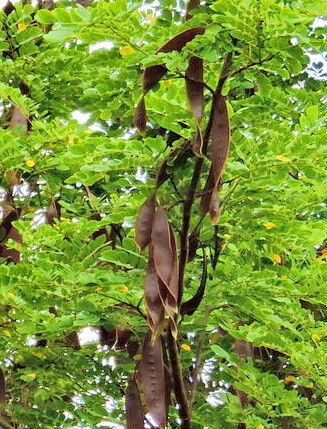
Alright, pull up a chair and let’s talk about a plant I’ve come to adore: Hesperalbizia occidentalis. You might know it by its common name, the Western Silk Tree. Seriously, this tree is a stunner. Its delicate, feathery foliage and those absolutely gorgeous, fluffy pink blooms are enough to make any garden sing. And the best part? It’s not as tough to propagate as you might think. It’s a little more involved than, say, a spider plant, but for a beginner willing to put in a bit of attention, it’s absolutely achievable and oh-so-rewarding.
The Best Time to Start
For the highest success rate with Hesperalbizia occidentalis, I find that late spring to early summer is your sweet spot. This is when the plant is actively growing, brimming with energy, and much more receptive to taking root. You want to work with semi-hardwood cuttings – that’s wood that’s mature enough not to be floppy and green, but not so woody that it’s rigid and old. Think of it as the plant’s “teenager” stage – full of life!
Supplies You’ll Need
Gathering your tools beforehand makes the whole process much smoother. Here’s what I always have on hand:
- Sharp, clean pruning shears or a utility knife: Essential for making clean cuts, which are crucial for rooting.
- Rooting hormone: While not strictly mandatory, a good rooting hormone drastically increases your success rate. Look for one with IBA (indole-butyric acid).
- A well-draining potting mix: I like a blend of perlite, peat moss, and a bit of coarse sand. You want good aeration to prevent rot. A store-bought seed starting mix can also work beautifully.
- Small pots or a propagation tray: Clean pots are a must to avoid disease.
- A plastic bag or cloche: This creates a humid environment, which is vital for cuttings.
- Watering can with a fine rose: For gentle watering.
- Optional: A heat mat: This can give your cuttings an extra boost by providing consistent warmth from below.
Propagation Methods
Let’s get our hands dirty! I’ve had the most luck with stem cuttings.
- Taking the Cuttings: On a bright, warm morning (ideally when the plant is turgid with moisture), use your sharp shears to take 4-6 inch cuttings from healthy, flowering stems. Make the cut just below a leaf node (where a leaf attaches to the stem). Remove this bottom leaf.
- Preparing the Cuttings: Gently dip the cut end into your rooting hormone, tapping off any excess. You want a good coating, but not a thick clump.
- Planting Your Cuttings: Fill your small pots with your moistened potting mix. Make a small hole in the center of the soil with a pencil or your finger. Carefully insert the cut end of the heeled cutting (meaning it has the rooting hormone on it!) into the hole, and gently firm the soil around it. Aim to have at least two leaf nodes buried in the soil.
- Creating a Humid Environment: This is key! Water the soil gently. Then, cover the pot with a clear plastic bag, securing it around the rim with a rubber band or tape. If you’re using a propagation tray, you can use a clear plastic dome. This traps humidity around the leaves, preventing them from drying out before they can develop roots.
The “Secret Sauce”
Here are a few little tricks I’ve learned over the years that really make a difference:
- Don’t let the leaves touch the water: If you’re venturing into water propagation (which can be trickier for this species), make sure no leaves are submerged. Submerged leaves are a fast track to rot. For stem cuttings in soil, this isn’t an issue, but it’s a good general rule to remember!
- Bottom heat is your friend: If you’re serious about propagation, investing in a propagation mat is worth every penny for plants like this. Placing your pots on a gentle heat source (around 70-75°F or 21-24°C) encourages root development from below, giving your cuttings a strong start. You can often feel the warmth with your hand as a good indicator.
- Cleanliness is paramount: I cannot stress this enough. Sterilize your tools before each use. Even a tiny bit of disease on your shears can carry over to your cuttings and doom them before they even have a chance. A quick wipe with rubbing alcohol does the trick.
Aftercare & Troubleshooting
Once your cuttings are planted, find them a spot with bright, indirect light. Avoid direct sun, which can scorch those delicate leaves. Keep the soil consistently moist but not waterlogged. You can peek under the plastic bag every few days to check on things.
You’ll know your cuttings are rooting when you see new leaf growth appearing. This can take anywhere from 4 to 8 weeks, so patience is an absolute must! You can also give them a very gentle tug. If you feel resistance, it means roots have formed.
The most common sign of trouble is rot. If you see leaves turning black and mushy, or the stem at the soil line becomes soft and brown, it’s usually a sign of too much moisture and not enough air circulation. Unfortunately, at that point, the cutting is likely lost. Remove any affected cuttings immediately to prevent the spread of disease.
A Encouraging Closing
Growing new plants from cuttings is a truly magical process. It connects you deeply with the cycles of nature and gives you a tangible reward for your efforts. Don’t be discouraged if your first few attempts aren’t perfect. Every gardener has had their share of wilting leaves and disappointing failures! Just keep observing, keep trying, and enjoy the journey of nurturing these little pieces of potential into magnificent new Hesperalbizia occidentalis trees. Happy growing!
Resource: