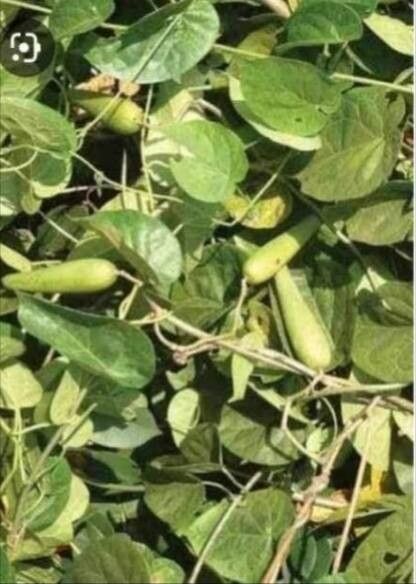
Hello fellow plant enthusiasts! Today, we’re diving into the wonderful world of Gymnema sylvestre, also known as the “sugar destroyer.” This fascinating vine has a unique appeal, not just for its purported health benefits, but for its lush, almost tropical foliage that can add a touch of the exotic to any greenhouse or bright indoor space. Propagating it yourself is incredibly rewarding. You get to witness life springing from just a tiny piece, and frankly, it’s a fantastic way to expand your collection without spending a fortune. Now, I’ll be honest, Gymnema isn’t the absolute easiest plant for a complete beginner, but with a little patience and these tips, you’ll be well on your way to success.
The Best Time to Start
When it comes to getting your Gymnema cuttings to root, spring and early summer are your best friends. This is when the plant is actively growing, its energy focused on putting out new shoots and leaves. You’ll find that cuttings taken during this vibrant period are much more likely to develop strong roots quickly. Avoid attempting propagation during the plant’s dormant or resting periods.
Supplies You’ll Need
Before we get our hands dirty, let’s gather our tools. Having everything ready beforehand makes the process so much smoother:
- Sharp Pruning Shears or a Clean Knife: For taking precise, clean cuttings.
- Rooting Hormone (Optional but Recommended): A powder or gel that encourages root development. Look for one with IBA (Indole-3-butyric acid).
- Well-Draining Potting Mix: A good blend for this would be 50% peat moss or coco coir and 50% perlite or coarse sand. This ensures excellent aeration.
- Small Pots or Seedling Trays: Clean containers with drainage holes are essential.
- Plastic Bag or Cling Film: To create a humid environment for your cuttings.
- Water: For watering your cuttings.
- A Warm Location: A sunny windowsill or a heat mat would be ideal.
Propagation Methods
Gymnema sylvestre is most commonly propagated from stem cuttings. It’s a reliable method, and I’ve had great success with it.
Stem Cuttings
- Select a Healthy Parent Plant: Choose a vigorous, healthy Gymnema plant. Look for stems that are green and firm, not woody or old.
- Take Your Cuttings: Using your sharp pruning shears or knife, take cuttings that are about 4-6 inches long. Make your cut just below a leaf node (the point where a leaf grows from the stem).
- Prepare the Cuttings: Gently remove all but the top two leaves from each cutting. This reduces water loss. You can even cut larger leaves in half horizontally to further minimize moisture evaporation.
- Apply Rooting Hormone (Optional): If you’re using rooting hormone, dip the cut end of each stem into the hormone powder or gel. Tap off any excess.
- Plant the Cuttings: Fill your small pots or trays with your well-draining potting mix. Make a small hole in the center of the mix with your finger or a pencil. Insert the cut end of the cutting into the hole, pushing it down far enough so that at least one leaf node is covered by the soil. Gently firm the soil around the cutting.
- Water and Cover: Water the soil thoroughly until water drains from the bottom of the pot. Cover the pot or tray with a plastic bag or cling film to create a mini-greenhouse. This is crucial for maintaining humidity. Secure it with a rubber band if necessary.
- Provide Warmth and Light: Place your cuttings in a warm, bright location, but out of direct, harsh sunlight. A south-facing window is often perfect. If you have a heat mat, placing it underneath the pots will significantly speed up rooting.
The “Secret Sauce” (Pro Tips)
Here are a few tricks I’ve learned over the years that can really boost your success rate:
- Don’t Let Leaves Touch Water: If you decide to try water propagation (though I find soil much more reliable for Gymnema), there’s one rule you absolutely must follow: never let the leaves of the cutting touch the water. They’ll rot incredibly fast. Only the stem end should be submerged.
- Bottom Heat is Your Friend: As I mentioned, bottom heat from a seedling mat or even a warm spot on top of a refrigerator can make a world of difference. It encourages the roots to develop from the bottom up.
- Mist Regularly (Unless Covered): If your cuttings aren’t covered in a plastic bag, mist them lightly with water every day or two. This keeps the leaves hydrated until they can start drawing up water themselves.
Aftercare & Troubleshooting
Once you start seeing tiny white roots emerging from the drainage holes or new leaf growth appearing, your cuttings have successfully rooted!
- Gradual Acclimatization: Once roots are established, slowly begin to acclimate your new plants to normal household humidity. This means gradually opening the plastic bag for a few hours each day over a week or so before removing it completely.
- Repotting: When your new plants have a good root system and are showing steady growth, you can carefully transplant them into slightly larger pots with fresh potting mix.
- Common Issues: The most common problem you might encounter is rot. This is usually due to overwatering or poor drainage. If your cutting looks mushy, black, or brittle, it’s likely rotted. Discard it and try again, ensuring your soil is well-draining and you aren’t overwatering. Wilting can also happen if the humidity is too low.
A Little Patience Goes a Long Way
Propagating Gymnema sylvestre is a journey, and like all gardening endeavors, it requires a bit of patience. Don’t be discouraged if your first few attempts aren’t perfect. Each cutting you take, each pot you fill, is a learning experience. Enjoy the process of nurturing these new lives, and soon you’ll be rewarded with your own beautiful Gymnema plants. Happy growing!
Resource: