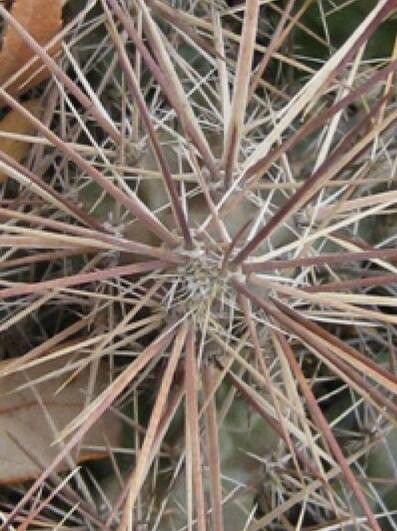
Oh, hello there! Pull up a chair and let’s chat about a truly special plant: Grusonia schottii. If you’ve ever encountered this little gem, you’ll know why it captures our hearts. Its architectural beauty, with those fascinating segmented stems and unique appeal, makes it a standout in any succulent collection. And the best part? Propagating it yourself is incredibly rewarding. It’s a project that’s surprisingly accessible for beginners, so don’t be shy!
The Best Time to Start
When it comes to getting your Grusonia schottii to root, warmth is key. The absolute best time to take cuttings or divide your plant is during its active growing season, which for most of us means late spring through summer. You want to make sure the plant is feeling vigorous and ready to put its energy into producing new roots, rather than just trying to survive.
Supplies You’ll Need
Before you get your hands dirty, let’s gather our tools. Having everything ready makes the process so much smoother!
- Well-draining potting mix: I like a mix specifically formulated for cacti and succulents, or you can create your own with equal parts coarse sand, perlite, and potting soil.
- Sterilized pruning shears or a sharp knife: Cleanliness is non-negotiable to prevent introducing any nasties to your cuttings.
- Rooting hormone (optional but recommended): This can give your cuttings a little extra boost.
- Clean pots or trays: Small pots are perfect for cuttings.
- Gloves: Grusonia schottii can have some surprisingly spiny bits!
- A small watering can or spray bottle: For gentle watering.
- A warm spot: Think bright, indirect light.
Propagation Methods
Grusonia schottii is wonderfully versatile, but we’ll focus on the two most successful methods for this particular plant: stem cuttings and division.
Stem Cuttings
This is my go-to for Grusonia schottii.
- Select a healthy stem: Look for a mature, well-formed segment.
- Make a clean cut: Using your sterilized shears or knife, make a cut just above a segment node. You want a piece that’s at least a few inches long for a good start.
- Allow to callus: This is CRUCIAL. Place your cutting in a warm, dry place out of direct sunlight for several days to a week. You’ll notice a dry, protective layer forming over the cut end. This prevents rot when you plant it.
- Apply rooting hormone (optional): Dip the callused end into rooting hormone if you’re using it.
- Plant your cutting: Insert the callused end about an inch deep into your prepared potting mix. Give it a gentle pat to secure it.
- Wait and watch: Don’t water immediately! wait a few days after planting, then water very sparingly. You want the soil to be mostly dry before watering again.
Division
If your Grusonia schottii is a bit more established and has begun producing offsets (smaller plants at its base), division is a great option.
- Gently remove the plant from its pot: Turn the pot on its side and slide the plant out. You might need to gently tap the sides or use a trowel to loosen the soil.
- Locate natural divisions: Look for where new segments are naturally attached. You can often see where one plant is trying to grow from another.
- Separate with care: Using your hands or a sharp knife, gently pull or cut the offsets away from the mother plant. Try to get at least a few roots attached to each division.
- Callus time again: Just like with cuttings, allow the cut or broken surfaces of the divisions to dry and callus over for a few days.
- Pot them up: Plant each division in its own small pot with well-draining soil.
- Water sparingly: Water lightly after planting and then only when the soil is dry.
The “Secret Sauce” (Pro Tips)
Here are a few little tricks I’ve learned over the years that can make a big difference.
- Humidity, but not wet feet: While these plants appreciate a touch of humidity to encourage rooting, do not let them sit in soggy soil. Root rot is the enemy number one for succulents, and especially for those precious new cuttings. Always err on the side of too dry rather than too wet.
- Gentle warmth can be your friend: If you have the space and inclination, placing your pots on a heat mat designed for seedlings can really speed up root formation. It mimics those lovely warm summer soils and encourages vitality. Just make sure it’s a low-heat mat, not something that will cook your plant!
Aftercare & Troubleshooting
Once you start seeing those tell-tale signs of new growth – tiny roots emerging or a bit of new stem stretching out – you’re doing great!
- Gradual introduction to sun: As your new Grusonia schottii develops roots and starts to look more robust, you can gradually introduce it to brighter light. Start with a few hours of gentle morning sun and increase it over a week or two.
- Watering rhythm: Continue to water sparingly. For established cuttings, you can water when the soil is dry about ½ to 1 inch down.
- Watch for rot: The most common problem is rot. If you see a cutting or division turning mushy, black, or shriveling from the bottom up, it’s likely rot. Sadly, there’s usually not much to do once it takes hold. This is why those callusing steps and well-draining soil are so vital.
A Encouraging Closing
Growing plants from cuttings or divisions is an incredibly satisfying journey. It’s a testament to nature’s resilience and your own green thumb. Be patient with your Grusonia schottii; sometimes, roots take their sweet time. Enjoy the process, celebrate each little success, and before you know it, you’ll have a whole new collection of these wonderful plants to admire! Happy growing!
Resource:
https://identify.plantnet.org/k-world-flora/species/Grusonia%20schottii%20(Engelm.)%20H.Rob./data