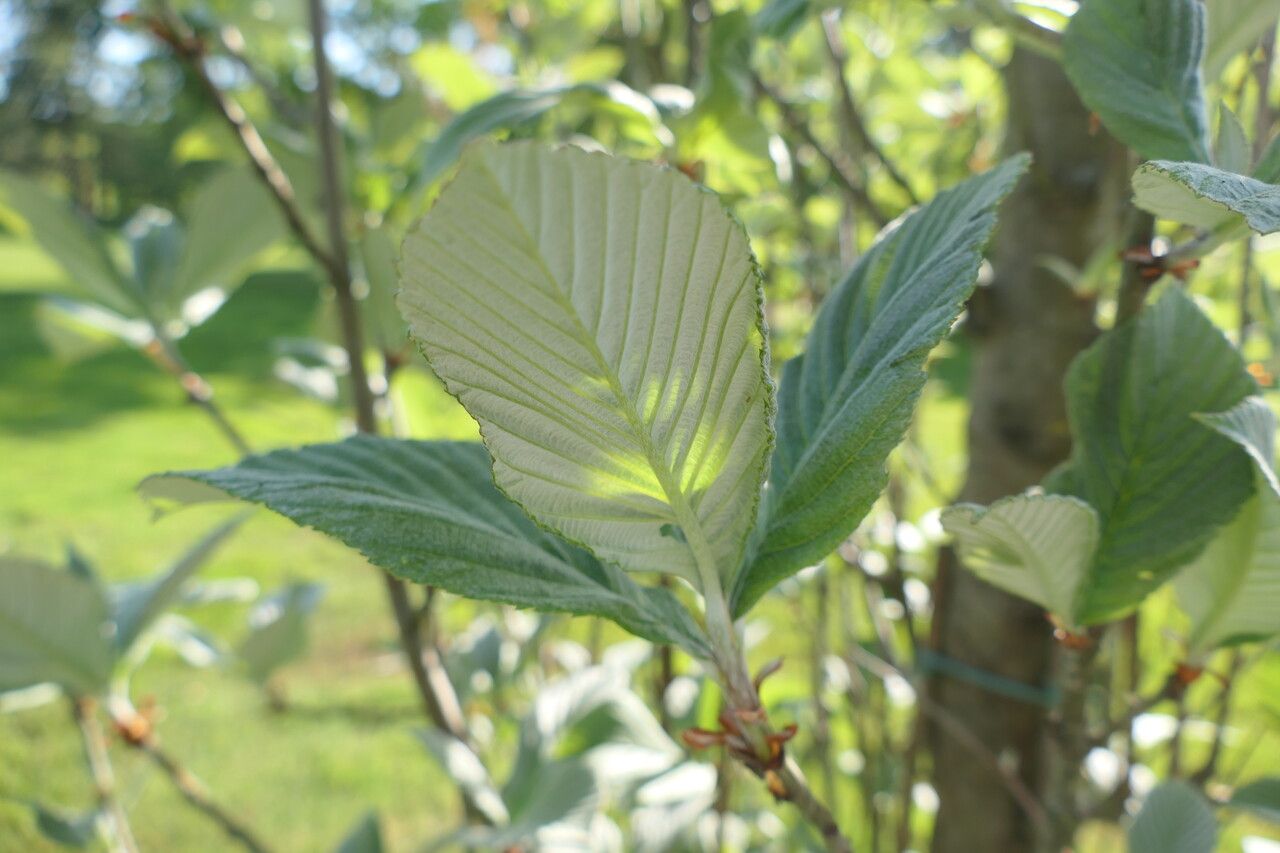
Oh, hello there! Pull up a chair and let’s chat about a truly enchanting plant: Griffitharia thibetica. If you’re looking for a bit of delicate beauty in your garden, this is your gal. Its understated elegance, with those lovely, almost lace-like blooms, makes it a real treasure. And you know what’s even better than having one? Making more of them yourself! It’s incredibly satisfying to nurture a new plant from a tiny piece of its parent.
Now, I won’t lie to you, Griffitharia thibetica can be a tad particular about how it’s propagated. It’s not quite a “stick it in the ground and hope for the best” kind of plant. For beginners, I’d say it falls into the medium-difficulty category. But with a little patience and the right know-how, you’ll be wonderfully rewarded.
The Best Time to Start
Honestly, spring is where it’s at for Griffitharia thibetica. As the days start to lengthen and the plant is bursting with new growth after its winter rest, it’s the prime time to take cuttings. You want to catch it when it’s full of vigor and ready to expand. Aim for when the stems are firm but not yet woody.
Supplies You’ll Need
Here’s what you’ll want to have on hand before you begin:
- Sharp Pruning Shears or a Clean Knife: For making clean cuts.
- Rooting Hormone: A powder or gel will do, but it’s a good idea to have it.
- Well-Draining Potting Mix: A blend of peat moss, perlite, and a bit of compost works wonderfully. Think airy!
- Small Pots or Propagation Trays: Whatever you have that will hold your cuttings comfortably.
- Clear Plastic Bag or Dome: To create a humid environment.
- Watering Can with a Fine Rose: For gentle watering.
- Optional: Bottom Heat Mat: This can be a game-changer for many cuttings.
Propagation Methods
For Griffitharia thibetica, the most successful route is usually through stem cuttings. Let’s get our hands dirty!
- Select Your Cuttings: Look for healthy, non-flowering stems that are about 4-6 inches long. Gently bend a stem – if it snaps cleanly, it’s likely ready.
- Make the Cut: Using your sterilized pruning shears or knife, make a clean cut just below a leaf node (where a leaf attaches to the stem). This is where root development often begins.
- Prepare the Cutting: Carefully remove the lower leaves, leaving just the top couple of sets. This prevents them from rotting in the soil or water and focuses the plant’s energy on root production.
- Apply Rooting Hormone: Dip the cut end of the stem into your rooting hormone, tapping off any excess.
- Potting Up: Fill your small pots with your prepared, moist potting mix. Make a small hole with your finger or a pencil.
- Insert the Cutting: Gently tuck the prepared cutting into the hole, ensuring the nodes where you removed leaves are below the soil surface. Firm the soil gently around the stem to provide support.
- Create Humidity: Water the soil lightly until it’s evenly moist, but not soggy. Then, cover the pot with a clear plastic bag or a propagator lid. If you’re using a bag, you might need to prop it up with a skewer or two so it doesn’t touch the leaves.
The “Secret Sauce” (Pro Tips)
Now, for a couple of little tricks I’ve learned over the years that can really boost your success rate:
- Never let those lower leaves touch the soil! Seriously, this is where rot loves to set up shop. Keep them clean and clear.
- Bottom Heat is Your Friend. If you can, place your pots on a gentle bottom heat mat. Griffitharia thibetica roots much faster and more reliably when its base is kept consistently warm, around 70-75°F (21-24°C).
Aftercare & Troubleshooting
Once your cuttings are potted and cozy in their humid little homes, place them in a bright location, but out of direct sunlight. Think of it as a sunny windowsill without the scorching rays. Keep the soil consistently moist but not waterlogged. You can gently lift the plastic bag daily to allow for some air circulation.
You’ll start to see new growth in a few weeks, but don’t pull up on the cutting to check for roots! This can damage fragile new root hairs. Instead, look for signs of healthy new leaf development. Typically, roots will form within 4-8 weeks.
If you notice yellowing leaves, wilting, or a mushy stem base, it’s often a sign of rot. This usually means you’re overwatering or the conditions are too cold. Sadly, rotten cuttings are usually a lost cause. Don’t be too discouraged if a few don’t make it; it’s part of the learning process. Just try to identify what went wrong and adjust for your next batch.
A Little Patience, A Lot of Joy
So there you have it! Propagating Griffitharia thibetica is a journey, not a race. Be patient, observe your cuttings closely, and celebrate every little sign of progress. The satisfaction of growing your own beautiful plants is truly unmatched. Happy gardening!
Resource: