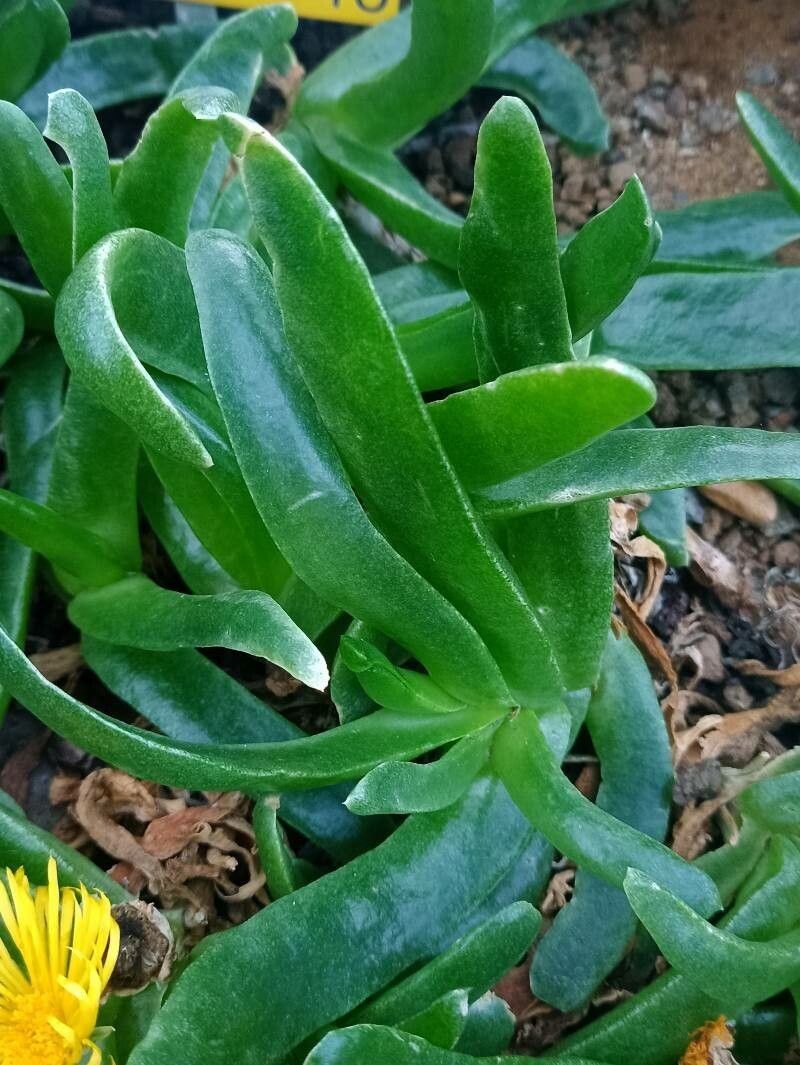
Oh, hello there! Come on in, grab a mug. Let’s chat about one of my favorite little treasures in the succulent world: Glottiphyllum difforme. It’s a delightfully quirky plant, sometimes called “carbrooks” or “ace plant” for its distinctive leaf shape. Its rosette of fleshy, finger-like leaves can grow quite full and fuzzy, and when it blooms, those cheerful yellow flowers are just a sunny delight.
Propagating these beauties isn’t just about getting more plants (though that’s certainly part of the fun!). It’s about connecting with your plants on a deeper level, understanding their life cycle, and the sheer satisfaction of nurturing something new into existence. And the great news? Glottiphyllum difforme is wonderfully forgiving, making it a fantastic choice even if you’re just dipping your toes into the propagation pond.
The Best Time to Start
For the highest success rate, I always aim to propagate my Glottiphyllum difforme in the spring or early summer. This is when the plant is actively growing and has the most energy stored up. Think of it like planting seeds; when the weather warms and days get longer, everything just bursts with life, and your cuttings will too. Trying to propagate when it’s dormant in winter is just setting yourself up for a bit more of a challenge.
Supplies You’ll Need
Before we get our hands dirty, let’s gather our tools. You don’t need anything overly fancy, just the basics, really:
- Sharp, clean pruning shears or a sharp knife: For making nice, clean cuts.
- A well-draining potting mix: I swear by a gritty succulent/cactus mix. You can even make your own by combining potting soil with perlite or pumice (about a 50/50 ratio).
- A shallow tray or small pots: For your cuttings to root in. Terracotta pots are lovely because they allow the soil to breathe.
- Rooting hormone (optional but recommended): This little boost can really speed things up.
- A spray bottle: For gentle misting.
- Labels: To keep track of what you’ve propagated and when!
Propagation Methods
Glottiphyllum difforme is a dream to propagate, and the easiest way I’ve found is through offsets and division. This plant naturally produces little baby plants, called offsets or pups, around its base.
Division:
- Gently unpot your mature Glottiphyllum difforme. You might need to loosen the soil a bit with your fingers or a chopstick.
- Look for where new plantlets are emerging from the base of the mother plant.
- Using your clean pruning shears or knife, carefully separate the offset from the main plant. Try to get a few roots attached to the offset if possible. It’s okay if a little bit of the main stem comes with it.
- If the offset is quite large or has damaged sections, let it callus over for a day or two in a dry, shaded spot. This prevents rot when you replant.
Offset Planting:
- Fill your small pots or tray with your gritty succulent mix.
- Make a small hole in the soil for your offset.
- Wiggle the bottom of the offset (where you made the cut or where its roots are) into the hole. If using rooting hormone, dip the cut end in it before placing it in the soil.
- Gently firm the soil around the base of the offset.
- Do not water immediately. Wait at least a week before giving it its first light watering. This allows any nicks or cuts to heal and reduces the risk of rot.
The “Secret Sauce” (Pro Tips)
Here are a couple of little tricks I’ve picked up over the years that really make a difference:
- Don’t drown it: When you do water your newly planted offsets, be gentle and sparse. A light misting with your spray bottle is often enough in the beginning. Too much water, too soon, is the quickest way to invite rot.
- A little warmth helps: If you have the option, placing your pots on a gentle heating mat for propagation can really encourage root growth. Just make sure it’s on its lowest setting – you want warmth, not heat stroke for your little ones!
Aftercare & Troubleshooting
Once your offsets are planted and have had a week or so to settle, you can start watering them very lightly. I usually wait until the soil is dry to the touch about an inch down. As they start to establish, you’ll notice them look a bit plumper and perhaps even begin to show new leaf growth. You can then gradually increase watering to match the care you give your mature plants.
The main thing to watch out for is rot. If your offset starts to look mushy, turn black or translucent, or just seems to be collapsing, it’s usually a sign of too much moisture. If you catch it early, you might be able to salvage a healthy part of the stem and try again. Don’t be discouraged if a few don’t make it; it’s all part of the learning curve!
A Little Patience Goes A Long Way
Propagating Glottiphyllum difforme is such a rewarding experience. It might take a few weeks or even a couple of months to see significant root development, so patience is key. Just keep them in a bright spot (but out of intense direct sun initially) and don’t fuss over them too much. Enjoy the process of watching these little survivors grow into their own beautiful selves. Happy propagating!
Resource:
https://identify.plantnet.org/k-world-flora/species/Glottiphyllum%20difforme%20(L.)%20N.E.Br./data