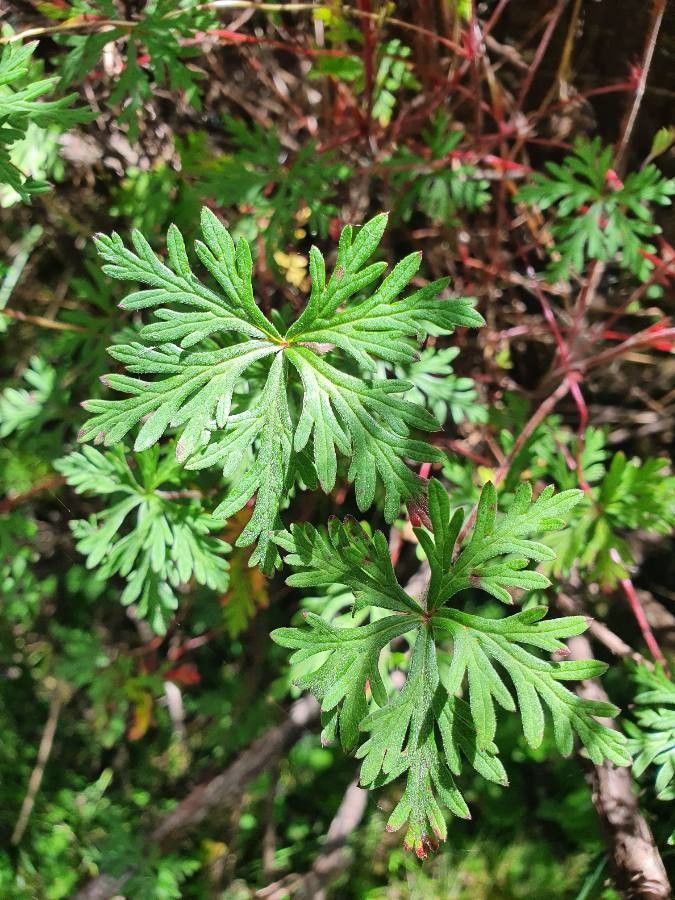
Hello there, fellow garden enthusiasts! It’s so wonderful to be sharing a bit of my love for plants with you today. If you’ve ever admired the delicate beauty and charming fragrance of Geranium elamellatum, and thought, “I wish I had more of those!”, then you’re in the right place. Propagating this lovely plant is incredibly rewarding. Watching a tiny piece of your favorite geranium transform into a whole new, vibrant plant is quite magical. And for those of you just starting out in the gardening world, I’m happy to say that Geranium elamellatum is generally quite forgiving, making it a great choice for beginners looking to expand their plant family!
The Best Time to Start
My experience tells me the absolute sweet spot for propagating Geranium elamellatum is late spring or early summer. Think about it: the plant is in full swing, actively growing and full of vigor. This energy translates beautifully into successful rooting. Right after the main flush of spring blooms is ideal. You’ll be taking cuttings from healthy, non-flowering stems that are firm but not woody.
Supplies You’ll Need
Gathering your materials beforehand makes the whole process smoother. Here’s what I always have on hand:
- Sharp pruning shears or a clean knife: For making clean cuts. This is crucial to prevent damage and disease.
- Rooting hormone (optional but recommended for best results): A powder or gel that encourages root development.
- Well-draining potting mix: I like a blend of potting soil and perlite or coarse sand. Something that doesn’t hold too much moisture.
- Small pots or trays: Clean containers are a must!
- Watering can with a fine rose: Gentle watering is key.
- A plastic bag or cloche: To create a humid environment for your cuttings.
Propagation Methods
Let’s get our hands dirty! Here are my go-to methods for Geranium elamellatum:
Stem Cuttings: This is my favorite and most reliable method.
- Select your stem: Look for healthy, current-season growth that’s about 4-6 inches long. Avoid flowering stems for now.
- Make the cut: Using your sharp shears, cut just below a leaf node (where a leaf attaches to the stem). This is where roots are most likely to form.
- Prepare the cutting: Gently remove the lower leaves, leaving just one or two at the top. This reduces water loss. If the remaining leaves are very large, you can even cut them in half.
- Apply rooting hormone (optional): Dip the cut end into your rooting hormone, tapping off any excess.
- Plant the cutting: Insert the cut end into your prepared potting mix, about an inch deep. Make sure the soil is snug around the stem.
- Create humidity: Water the soil gently until it’s moist, not soggy. Then, cover the pot with a plastic bag or plastic wrap, supported by stakes so it doesn’t touch the leaves. You can also use a clear plastic cloche. Place the pot in a bright spot, but out of direct sunlight.
Water Propagation: This is a quicker way to see roots, though not always as long-lasting as soil propagation.
- Prepare the cutting: Follow steps 1-3 from stem cuttings above. The key here is to have at least one or two leaf nodes submerged in water.
- Place in water: Put the cutting in a clean jar or glass of water. Ensure no leaves are submerged in the water. This is very important to prevent rot.
- Change the water: Refresh the water every few days to keep it clean and oxygenated.
- Watch for roots: You should start to see small white roots emerging from the nodes within a couple of weeks.
- Transplant: Once the roots are about an inch long, you can carefully transplant them into a pot with well-draining soil.
The “Secret Sauce” (Pro Tips)
After years of coaxing new life from cuttings, I’ve picked up a few tricks.
- Think about the air: Geranium elamellatum really thrives with good air circulation, even while rooting. If you’re using a very tight plastic bag, poke a few small holes in it. This helps prevent fungal issues.
- Bottom heat is a game-changer: If you have a heat mat designed for seedlings, place your pots on it. It provides consistent, gentle warmth that really encourages those roots to get going faster. You’ll be amazed at the difference!
Aftercare & Troubleshooting
Once your cuttings have developed a healthy root system (you’ll know because they’ll resist a gentle tug), it’s time to transition them.
- Gradual introduction: If you used a plastic bag or cloche, slowly acclimate your new plants to normal humidity by removing the cover for increasing periods over a few days.
- Gentle watering: Continue to water them as you would a young plant, allowing the top inch of soil to dry out between waterings.
- Watch for rot: The most common culprit in propagation failure is overwatering, which leads to stem rot. If the base of your cutting turns black and mushy, or the leaves start to yellow and drop off rapidly, it’s likely too much moisture. Pull out the affected cutting and allow the soil to dry more thoroughly.
A Encouraging Closing
Remember, gardening is a journey, and propagation is part of that wonderful exploration. Don’t be discouraged if a few cuttings don’t make it; it happens to the best of us! The satisfaction of nurturing a new plant from a tiny piece of another is truly unmatched. Be patient, observe your cuttings, and enjoy the process. Happy propagating!
Resource:
https://identify.plantnet.org/k-world-flora/species/Geranium%20elamellatum%20Kokwaro/data