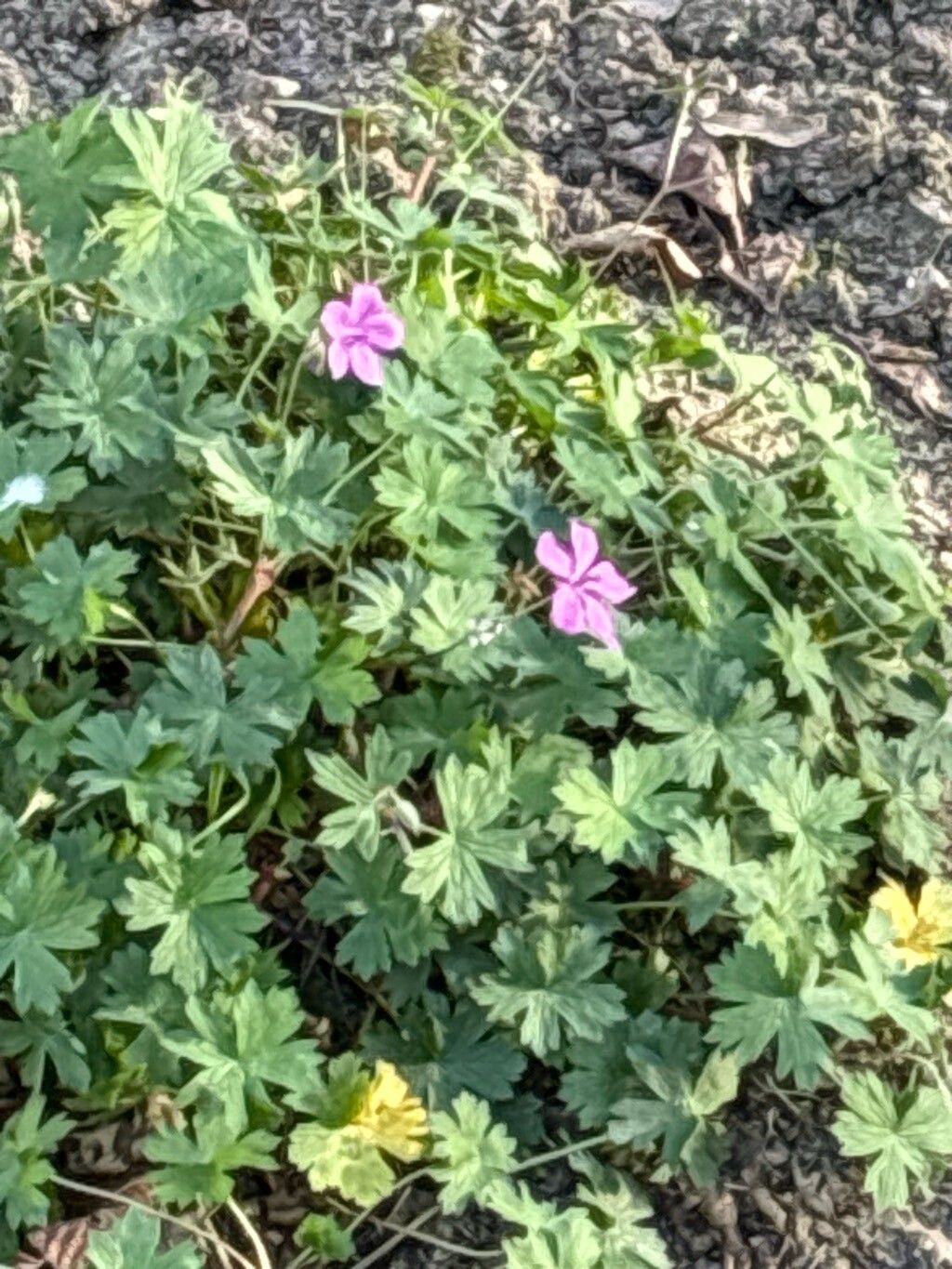
Oh, hello there! Come on in, grab a mug, and let’s chat about Geranium asphodeloides. You know, those lovely plants with their dreamy, delicate blooms? They have a way of bringing a certain gentle magic to any garden corner. And the best part? They’re surprisingly rewarding to multiply! If you’re new to the whole propagation game, don’t you worry. Geranium asphodeloides is a wonderfully forgiving subject, making it a fantastic choice for beginners eager to expand their collection without too much fuss.
The Best Time to Start
Honestly, spring is your golden window for Geranium asphodeloides propagation. When the plant is waking up from its winter nap and you see plenty of new, vigorous growth beginning to emerge, that’s the sweet spot. Taking cuttings then gives them the longest growing season ahead to establish a strong root system before the heat of summer or the deep chill of autumn sets in.
Supplies You’ll Need
Gathering your tools is half the fun – it makes you feel like a proper scientist in your own green laboratory! Here’s what I usually have on hand:
- Sharp and Clean Pruning Shears or a Craft Knife: Essential for making clean cuts and preventing disease.
- Seed Starting Mix or a Well-Draining Potting Mix: I like a blend with plenty of perlite or coarse sand for good aeration.
- Small Pots or Seedling Trays: Whatever you have that’s clean and offers drainage.
- Rooting Hormone (Optional but Recommended): Especially helpful for encouraging faster and stronger root development. Look for a powdered or gel form.
- Watering Can with a Fine Rose: For gentle watering.
- Plastic Bag or Humidity Dome: To create a mini greenhouse effect for your cuttings.
Propagation Methods
Geranium asphodeloides is quite adaptable, but here are my go-to methods:
1. Stem Cuttings – My Favorite Approach
This is usually the most straightforward and efficient way to get new plants.
- Select Healthy Stems: Look for new growth that is firm but not woody. You want stems about 4-6 inches long.
- Make the Cut: Using your clean shears, make a cut just below a leaf node (where the leaf attaches to the stem). This is where roots are most likely to form.
- Prepare the Cutting: Gently remove the lower leaves, leaving just a few at the top. If you’re using rooting hormone, dip the cut end into it, tapping off any excess.
- Planting Them Up: Stick the cut end of the cutting into your prepared potting mix. Press the soil gently around the base to ensure good contact. Aim for the leaf nodes to be below the soil surface.
- Create a Humid Environment: Water the soil lightly. Then, cover the pot with a plastic bag or a humidity dome. This keeps the moisture locked in, which is crucial for cuttings to root. Place the pot in bright, indirect light.
2. Division – For Established Plants
If you have a mature Geranium asphodeloides that’s looking a bit crowded, dividing the root ball is a great way to get more plants and revitalize the parent.
- Dig Up the Plant: It’s best to do this in spring or fall. Gently dig up the entire plant, being careful not to damage the roots too much.
- Gently Separate: You can often gently pull the root ball apart with your hands, or use a trowel or even a clean spade if it’s really packed. Aim to get sections that have both roots and at least a few shoots.
- Replant Immediately: Plant the divided sections into their new spots in the garden or into individual pots with fresh soil. Water them in well.
The “Secret Sauce” (Pro Tips)
Here are a couple of little tricks I’ve picked up over the years that really make a difference:
- Don’t Over-Water the Cuttings: This is probably the most common mistake. While they need moisture, waterlogged soil is a fast track to rot. Let the surface of the soil dry out slightly between waterings. I often check by gently touching the soil.
- Bottom Heat is Your Friend: If you’re struggling with cuttings rooting, consider using a propagation mat placed underneath your pots. A little bit of warmth from below can really encourage root development. You don’t need it scorching hot, just a gentle warmth.
Aftercare & Troubleshooting
Once you see signs of new growth (tiny leaves or even a slight tug resistance when you gently pull on a cutting), your plant is likely rooting!
- Acclimate Gradually: If you’ve used a plastic bag, slowly start increasing ventilation. Open the bag for a few hours a day, then permanently remove it once the new growth looks robust.
- Watering: Continue to water when the top inch of soil feels dry. For newly divided plants, keep them consistently moist but not soggy.
- Troubleshooting: The most common issue is rot. If your cutting turns black and mushy, it’s usually a sign of too much moisture or not enough airflow. Unfortunately, a rotted cutting can’t be saved. If you see this, remove it immediately to prevent it from spreading. Yellowing leaves can sometimes indicate overwatering or perhaps not enough light.
A Happy Ending
Propagating Geranium asphodeloides is such a satisfying journey. Be patient with your little green babies; they’re working hard to put down roots. Enjoy the process, celebrate every tiny new leaf, and soon you’ll have a whole garden full of these beautiful blooms! Happy gardening!
Resource:
https://identify.plantnet.org/k-world-flora/species/Geranium%20asphodeloides%20Burm.f./data