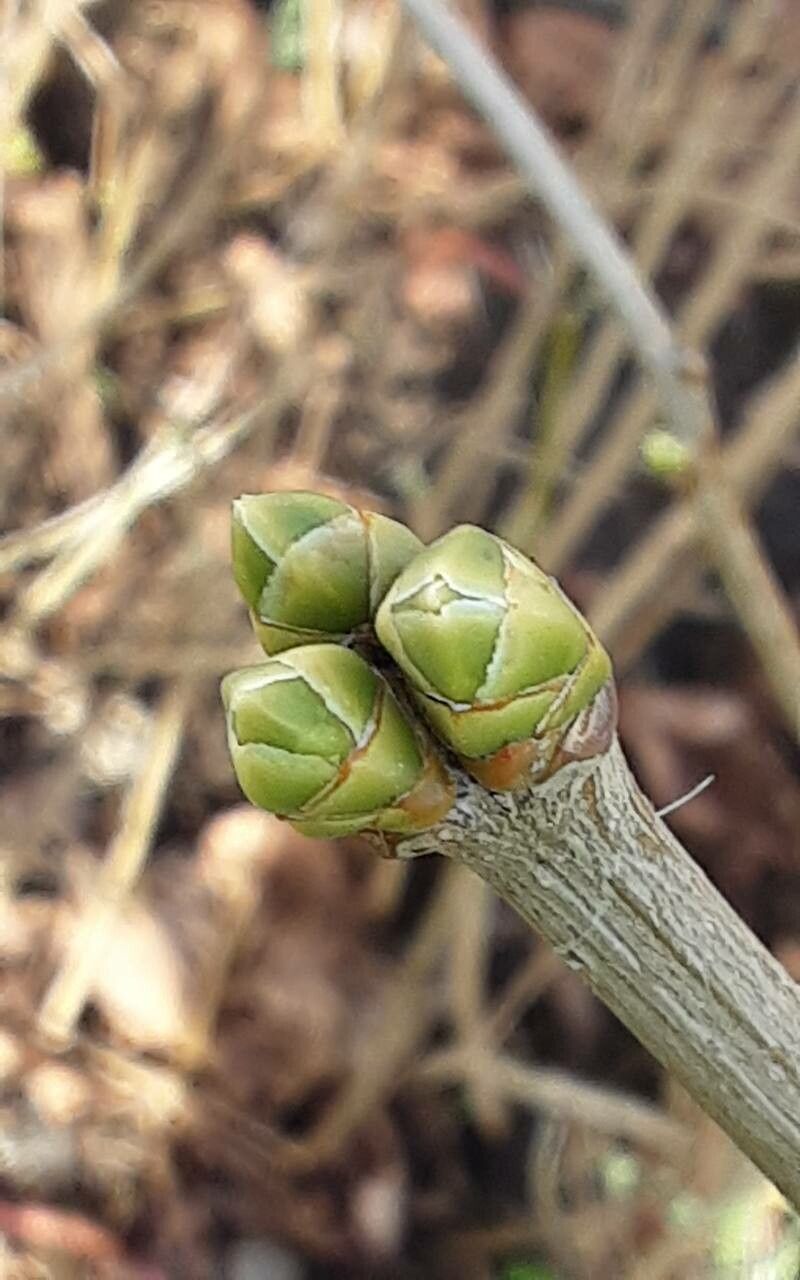
Oh, Forsythia europaea! Those cheerful yellow blooms bursting forth in early spring are such a welcome sight, aren’t they? They herald the end of winter like nothing else. And the beauty of propagating this lovely shrub is that you can fill your garden, or share with friends, without needing to buy new plants. It’s incredibly satisfying to watch a tiny cutting transform into a thriving shrub. For beginners, I’d say Forsythia is quite forgiving, making it a wonderful plant to practice propagation with.
The Best Time to Start
For the highest success rates, I’ve found that taking semi-hardwood cuttings in late spring or early summer is your best bet. This is when the current season’s growth has started to firm up but isn’t completely woody yet. You’re looking for stems that snap cleanly rather than bend. If you miss this window, don’t fret! You can also try dormant hardwood cuttings in late fall or winter, after the plant has shed its leaves.
Supplies You’ll Need
Got your gardening gloves ready? Here’s what you’ll want close at hand:
- Sharp pruning shears or a clean knife: For making precise cuts.
- Rooting hormone powder or gel: This isn’t strictly essential, but it gives your cuttings a significant advantage.
- A gritty, well-draining potting mix: I like a blend of equal parts peat moss or coco coir and perlite or coarse sand. This prevents waterlogging.
- Small pots or seed trays: Clean ones, please!
- A clear plastic bag or propagation dome: To create a humid environment.
- Watering can or spray bottle: For gentle watering.
- Labels and a marker: To keep track of what you’ve planted and when.
Propagation Methods
Let’s get our hands dirty! We’ll focus on stem cuttings, as it’s the most popular and effective method for Forsythia.
1. Taking Semi-Hardwood Cuttings (Late Spring/Early Summer):
- Select your stems: Look for healthy, disease-free branches that are about pencil-thick. You want those that have completed their initial spring growth but are still somewhat flexible.
- Make the cut: Using your sharp shears, take cuttings that are about 6-8 inches long. Make the bottom cut just below a leaf node (where a leaf attaches to the stem). This is where rooting hormones are most effective.
- Prepare the cuttings: Remove the lower leaves, leaving only the top 2-3 leaves. If the remaining leaves are very large, you can cut them in half to reduce water loss.
- Apply rooting hormone: Dip the bottom cut end into your rooting hormone, tapping off any excess.
- Planting: Insert the prepared cuttings into pots filled with your well-draining mix. Make sure at least one leaf node is buried below the surface. Gently firm the soil around the stems.
- Create humidity: Water your cuttings gently. Then, cover the pots with a clear plastic bag or a propagation dome. You can support the bag with stakes so it doesn’t touch the leaves.
2. Taking Dormant Hardwood Cuttings (Late Fall/Winter):
- Select your stems: After the leaves have fallen, look for healthy, current-year’s growth that is fully woody. Cuttings should be about pencil-thick and 6-8 inches long.
- Make the cut: Similar to semi-hardwood cuttings, make your bottom cut at a slight angle below a node. The top cut should be straight and about ¼ inch above a node.
- Prepare the cuttings: Remove all leaves (there shouldn’t be any!) and any blooming clusters.
- Apply rooting hormone (optional but recommended): Dip the bottom end in rooting hormone.
- Planting: You can insert these cuttings directly into a prepared garden bed if your soil is well-drained and you have good winter protection, or plant them in pots filled with your gritty mix. Bury about two-thirds of the cutting.
- Apply mulch: For cuttings planted directly in the ground, cover the area with a thick layer of mulch to protect them from harsh winter conditions.
The “Secret Sauce” (Pro Tips)
Here are a couple of little tricks I’ve picked up over the years that really make a difference:
- Don’t let those leaves touch the water! If you’re propagating in water (though I generally lean towards soil for Forsythia), any part of the stem or leaves submerged will rot. Only the very bottom of the cut end should be in the water, just trying to encourage root formation at that specific point.
- Bottom heat is your friend. For semi-hardwood cuttings, a gentle warmth from below really helps in stimulating root development. A seedling heat mat placed under the pots can significantly speed up the process and increase your success rate. It mimics the warmer soil temperatures in spring.
Aftercare & Troubleshooting
Once you start seeing new leaf growth on your cuttings, that’s a fantastic sign! It usually means roots are forming.
- Gradual acclimatization: If you’ve covered your cuttings with a plastic bag, start gradually introducing them to drier air by opening the bag for a few hours each day before removing it completely.
- Watering: Keep the soil consistently moist but not waterlogged. You’ll get a feel for it, but you don’t want to see the soil completely dry out.
- Transplanting: Once your cuttings have a robust root system (you can gently tug on them to feel resistance, or if you can see roots coming out of the drainage holes), you can transplant them into slightly larger pots with a good quality potting mix.
- Signs of trouble: The most common issue is rot. If you see your cuttings turning black and mushy, it’s usually a sign of too much moisture and not enough air circulation. Ensure your soil drains well and improve airflow if necessary. Yellowing leaves can sometimes mean too much direct sun initially or not enough water, but with cuttings, it’s more often a sign they haven’t rooted yet and are using up their stored energy.
A Little Encouragement
Propagating plants is an act of hope. There will be times when some cuttings don’t make it, and that’s perfectly okay! Think of them as practice runs. Be patient, observe your little green babies, and enjoy the rewarding process of nurturing new life. Happy propagating!
Resource:
https://identify.plantnet.org/k-world-flora/species/Forsythia%20europaea%20Degen%20&%20Bald./data