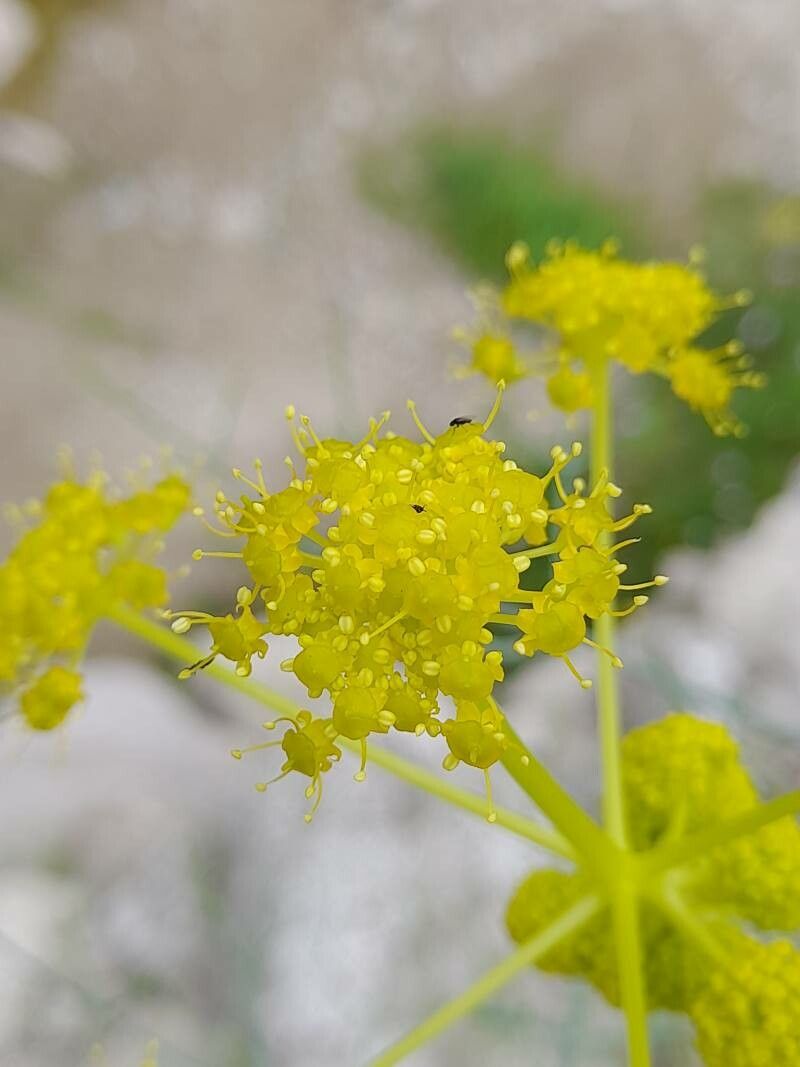
Oh, hello there, fellow plant lover! Pull up a chair, let’s chat about Ferula persica. If you’ve ever seen this magnificent plant gracing a garden, you’ll know exactly what I mean when I say it’s pure drama and architectural beauty. Those feathery fronds, the tall, elegant flower stalks reaching for the sky… it’s a showstopper, isn’t it? And the best part? You can bring that magic into your own garden by propagating it! It’s a wonderfully rewarding feeling to nurture a new life from something you already cherish. Now, I won’t lie to you – Ferula persica can be a bit of a diva, so it’s not always the easiest plant for absolute beginners. But with a little patience and the right guidance, you can absolutely succeed.
The Best Time to Start
Timing is everything when it comes to coaxing new life from plants. For Ferula persica, I’ve found the absolute sweet spot is late spring to early summer, right after they’ve finished their spectacular flowering. You want to catch them on the cusp of active growth, but not when they’re putting all their energy into producing seeds. This is when they’re more receptive to propagating and have a better chance of establishing themselves.
Supplies You’ll Need
Don’t worry, we won’t need a whole greenhouse of fancy gadgets. Here’s what I usually have on hand:
- Sharp, sterile pruning shears or a sharp knife: Clean cuts are crucial for preventing disease.
- Rooting hormone powder or gel: This is a lifesaver for encouraging those stubborn roots to form.
- Well-draining potting mix: I love a mix of perlite, peat moss (or coir), and a good quality potting soil. Think airy!
- Small pots or trays: Make sure they have drainage holes.
- A gentle watering can or spray bottle: We don’t want to blast our little cuttings.
- Labels and a marker: Never underestimate the power of labeling! You’ll thank yourself later.
- Optional: A heat mat: This can really give your cuttings a boost, especially if your home is on the cooler side.
Propagation Methods
Ferula persica is a bit of a unique character, and while it can be propagated in a few ways, division is by far the most reliable and successful method for home gardeners. Stem cuttings can be tricky with this particular plant.
Division – The Reliable Route
This is where we’re going to focus our energy. Think of it as gently giving your established plant a bit of breathing room and a chance to create offspring.
- Timing is key: As I mentioned, late spring or early summer is ideal. Wait until the flowering stalks have begun to fade.
- Prepare your new home: Get your new pots ready with that well-draining soil mix.
- Gentle extraction: Water your Ferula persica the day before you plan to divide it. This helps the soil cling to the roots, making the process less stressful for the plant. Carefully dig around the outside of the plant, trying to get as much of the root ball as possible. Lift the entire plant – roots and all – from its current location.
- The division itself: Gently tease apart the root ball. You’re looking for natural breaks where the plant has formed distinct clumps or crowns. If it’s a bit stubborn, you might need to use your sterile knife or spade to make a clean cut through the roots and crown. The goal is to have at least one healthy root system and one or more leaf buds on each section.
- The rooting hormone step (optional but recommended): Once you’ve separated your divisions, you can lightly dust the cut surfaces with rooting hormone. This isn’t strictly necessary for division, but it can give those roots a little extra encouragement.
- Planting the divisions: Place each division into its prepared pot. Make sure the crown of the plant (where the leaves emerge from the roots) is at soil level or just slightly above. Water thoroughly until water runs out of the drainage holes.
The “Secret Sauce” (Pro Tips)
Here are a few little tricks I’ve learned over the years that make a real difference:
- Don’t overwater the divisions: This is probably the biggest mistake I see people make. While they need moisture to establish, soggy soil is the enemy and can lead to rot very quickly. Let the top inch of soil dry out between waterings.
- Give them a shady spot: Newly divided plants are sensitive to direct sun, which can scorch their leaves and dry out their fragile roots. They’re much happier in a bright, but indirect light location for the first few weeks.
- Embrace the patience: Ferula persica takes its time. Don’t panic if you don’t see immediate growth. New roots are forming underground, even if the top doesn’t look too active.
Aftercare & Troubleshooting
Once your divisions are settled in and you start to see signs of new growth (hooray!), continue to water them as needed, always prioritizing that good drainage. Gradually acclimate them to more sunlight as they get stronger.
The most common issue you might encounter is rot, which almost always comes down to overwatering or poor drainage. If you see your division looking limp, mushy, or discolored at the base, it’s a sign things are going wrong. There’s often not much you can do once rot sets in, but it’s a good lesson learned for next time! Another sign of trouble is if the leaves start to yellow and drop excessively, which could also indicate overwatering or too much direct sun.
A Encouraging Closing
Propagating Ferula persica might feel a little daunting at first, but honestly, it’s all about enjoying the process. Be gentle, be observant, and trust your instincts. Each new plant you nurture is a connection to something beautiful, a little piece of green magic you’ve helped bring into the world. So go ahead, get your hands in the soil, and enjoy the journey of growing your very own Ferula! Happy gardening!
Resource:
https://identify.plantnet.org/k-world-flora/species/Ferula%20persica%20Willd./data