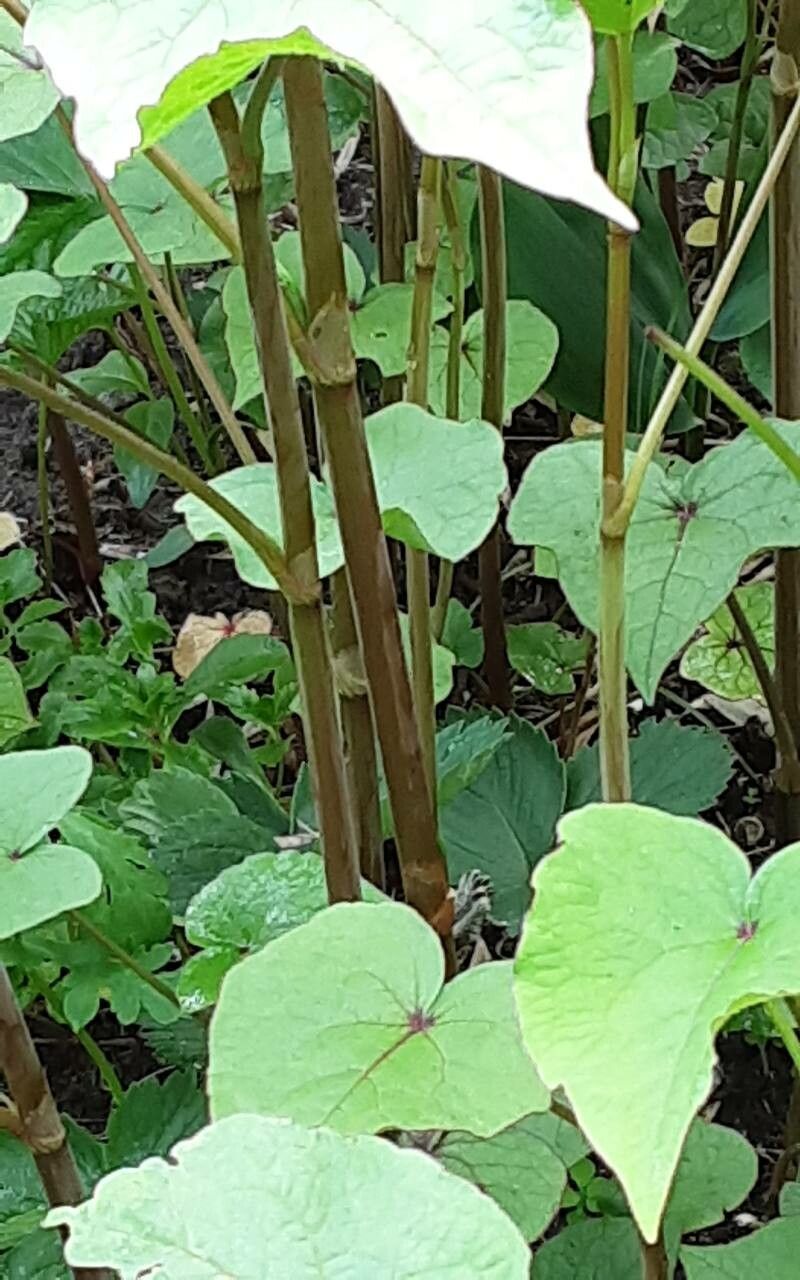
Hello fellow plant lovers! Today, we’re diving into the wonderful world of propagating Fagopyrum cymosum, also known as Himalayan buckwheat. This beauty is a fantastic addition to any garden. Its delicate, star-shaped flowers bring a lovely texture, and its edible seeds are a delightful bonus. Plus, there’s a special kind of satisfaction that comes from nurturing a new plant from a little piece of its parent. If you’re new to propagation, good news! Fagopyrum cymosum is quite forgiving, making it a great plant to practice your green thumb on.
The Best Time to Start
For the highest success rate with Fagopyrum cymosum, spring is truly your best bet. Aim for when the plant is actively growing but before it gets too hot. Early spring, as soon as the danger of frost has passed and new shoots are emerging, is ideal. You can also have success with cuttings taken in late summer, but they may take a little longer to establish before winter.
Supplies You’ll Need
Gathering your supplies beforehand makes the whole process smoother. Here’s what I usually have on hand:
- Sharp pruning shears or a clean knife: For taking clean cuts.
- Well-draining potting mix: A good blend of perlite and peat moss works wonders. For Fagopyrum cymosum, I often use a 50/50 mix of seed starting mix and perlite.
- Small pots or propagation trays: Cleaned thoroughly, of course!
- Rooting hormone (optional but recommended): A powder or gel can give your cuttings an extra boost.
- Watering can with a fine rose: For gentle watering.
- Clear plastic bags or a propagator: To create a humid mini-greenhouse.
- Labels and a marker: To keep your new plant babies identified!
Propagation Methods
Fagopyrum cymosum is most commonly and effectively propagated through stem cuttings or division.
Stem Cuttings
This is my go-to method for this plant. It’s relatively straightforward and yields great results.
- Take the Cuttings: In spring or late summer, select healthy, non-flowering stems from your established plant. Look for stems that are about 4-6 inches long. Using your sharp pruning shears or knife, make a clean cut just below a leaf node (where a leaf attaches to the stem).
- Prepare the Cuttings: Gently remove the lower leaves from the cutting, leaving just a few at the top. This prevents them from rotting in the soil.
- Apply Rooting Hormone (Optional): Dip the cut end of the stem into rooting hormone, tapping off any excess.
- Plant the Cuttings: Fill your small pots or trays with your prepared potting mix. Make a small hole in the center of each pot with your finger or a pencil. Insert the cutting, ensuring the leaf node you trimmed is below the soil surface. Gently firm the soil around the base of the cutting.
- Water Gently: Water the soil thoroughly but gently, ensuring it’s moist but not waterlogged.
- Create Humidity: Cover the pots with a clear plastic bag or place them in a propagator. This helps maintain high humidity, which is crucial for cuttings to root. Make sure the leaves do not touch the sides of the bag – if they do, you can prop the bag up a bit.
Division
If your Fagopyrum cymosum has grown into a lovely clump, division is a fantastic way to get multiple new plants.
- Prepare for Division: In early spring, before new growth really takes off, it’s the perfect time to divide.
- Lift the Plant: Gently dig up the entire plant, taking care not to damage the roots too much.
- Separate the Clumps: Loosen the soil around the root ball and gently pull the clumps apart with your hands. You want each section to have a good amount of healthy roots and at least one or two shoots. If the roots are very tangled, you might need a clean trowel or knife to help you separate them.
- Replant Immediately: Plant the divided sections directly into their new homes, either back in the garden or into pots filled with your well-draining potting mix. Water them in well.
The “Secret Sauce” (Pro Tips)
After years of gardening, you pick up a few tricks!
- Bottom Heat is Your Friend: While not always strictly necessary for Fagopyrum cymosum, placing your pots on a gentle heat mat can significantly speed up root development, especially for cuttings. It mimics the warmth of spring soil.
- Don’t Rush the Roots: For stem cuttings, I often gently tug on a cutting after a few weeks. If you feel resistance, that’s a good sign! You can also check for roots by carefully tipping the pot out. Resist the urge to pull them up too soon just to check; it can damage delicate new roots.
- Air Circulation is Key: While you want to maintain humidity, daily ventilation is important. Lift the plastic bag or open the propagator for a few minutes each day to allow fresh air to circulate. This helps prevent fungal diseases like rot, which is the most common downfall for new cuttings.
Aftercare & Troubleshooting
Once your cuttings have developed a healthy root system (you’ll see new growth appearing at the top and they’ll feel firm when gently tugged), it’s time for their next stage of life.
- Gradual Acclimatization: Slowly remove the plastic bag or propagator over a few days. Start by taking it off for an hour or two each day, gradually increasing the time. This helps the young plants adjust to normal humidity levels.
- Watering: Keep the soil consistently moist but never soggy. Water when the top inch of soil feels dry.
- Light: Place your newly rooted plants in a spot with bright, indirect light. Avoid direct, harsh sunlight as it can scorch their tender leaves.
- Troubleshooting – Rot: The biggest sign of trouble is wilting and mushy stems, especially at the soil line, often accompanied by a foul smell. This is usually due to overwatering and poor air circulation. If you see this, it’s often best to discard the affected cutting and ensure your next attempt has better drainage and ventilation. Sometimes, if caught very early, you might be able to salvage a cutting by rinsing off the rot and placing it in fresh, dry medium, but it’s a long shot.
A Encouraging Closing
Remember, gardening is a journey, and every seed, cutting, or division is a lesson. Be patient with your Fagopyrum cymosum, give it the care it needs, and don’t be discouraged if every single attempt isn’t a roaring success. Enjoy the process of watching new life unfold in your hands. Happy propagating!
Resource:
https://identify.plantnet.org/k-world-flora/species/Fagopyrum%20cymosum%20(Trevir.)%20Meisn./data