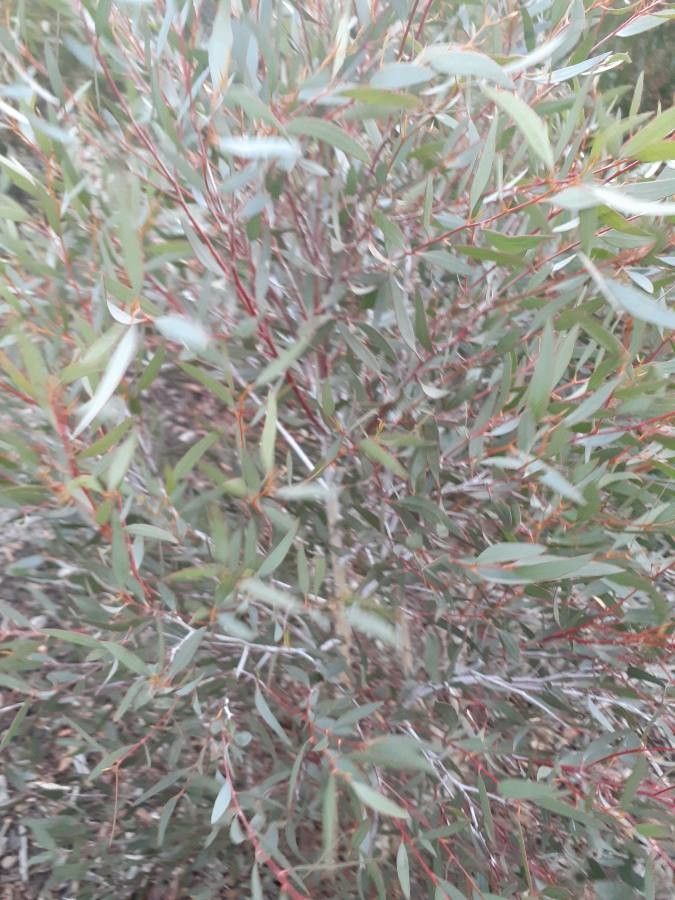
Hello fellow plant enthusiasts! I’m so excited to chat with you today about a tree that truly captivates me: Eucalyptus erythronema, or as it’s sometimes known, the Red-flowering Mallee. If you’ve ever admired its vibrant crimson blossoms and stunning bark, you know why it’s such a treat. Propagating this beauty yourself is a wonderfully rewarding endeavor, bringing that bit of Australian magic right into your garden. While it’s not as straightforward as rooting a succulent, with a little care and patience, you’ll find yourself with a charming new mallee to nurture.
When to Get Your Hands Dirty
The sweet spot for propagating Eucalyptus erythronema is typically during its active growing season. For most of us, this means late spring through summer. This is when the plant is full of vigor, and cuttings are more likely to have the energy they need to develop roots. Look for healthy, new growth – these are your best candidates!
What You’ll Want to Gather
Before we dive in, let’s make sure you have everything you need. A little preparation goes a long way!
- Sharp Pruning Shears or a Craft Knife: For clean cuts that minimize damage.
- Rooting Hormone: A gentle starter helps encourage root development. I prefer a powder form for cuttings.
- Potting Mix: A well-draining mix is crucial. I like to combine equal parts perlite and a good quality seed-starting mix, or even a bit of horticultural grit.
- Small Pots or Trays: With good drainage holes, of course!
- Clear Plastic Bags or a Propagator Lid: To create a humid environment.
- Watering Can with a Fine Rose: For gentle watering.
Bringing Your Eucalyptus to Life: Stem Cuttings
This is my go-to method for Eucalyptus erythronema, and I find it quite successful.
- Take Your Cuttings: In late spring or summer, select healthy, semi-hardwood shoots. These are shoots that have started to firm up but are still a bit flexible. Aim for cuttings about 10-15 cm long. Make your cut just below a leaf node (where a leaf attaches to the stem).
- Prepare the Cuttings: Gently remove the lower leaves from your cuttings, leaving just a few at the very top. This reduces moisture loss and prevents leaves from rotting when they’re in the soil.
- Apply Rooting Hormone: Dip the cut end of each cutting into your rooting hormone powder. Tap off any excess so you have a light coating.
- Plant Your Cuttings: Fill your small pots with your prepared, well-draining potting mix. Make a small hole with a pencil or your finger, and insert the cutting. Gently firm the soil around the base.
- Create a Humid Environment: Water the soil gently. Then, cover the pots with a clear plastic bag or a propagator lid. This traps humidity, which is vital for cuttings that can’t yet take up water from the soil. Make sure the leaves don’t touch the plastic if possible.
- Provide Warmth and Light: Place your pots in a bright location but out of direct sunlight. Some gentle warmth from below, like a heat mat, can really speed things up, though it’s not strictly essential if you have a warm spot.
My Secret Sauce for Success
Over the years, I’ve learned a few tricks that really make a difference with these wonderful trees:
- Don’t Drown Them: When you water, ensure the soil is moist but not waterlogged. Too much water is the quickest way to invite rot, which is the nemesis of any cutting.
- Air Circulation is Key: Even though we want high humidity, occasional airing is important. Open the plastic bag or propagator lid for a few minutes each day to prevent fungal issues and allow for some air exchange. You’ll notice condensation on the inside; this is good, but if it’s excessive and the soil looks soggy, it’s time for a good airing.
- Patience with the Rooting Hormone: While rooting hormone is helpful, don’t be tempted to overdo it. A light dusting is all that’s needed. Sometimes, less is more, and the plant will figure it out on its own with the right conditions.
Aftercare and When Things Go Wrong
Once you start to see new leaf growth on your cuttings – that’s your cue! It means roots are forming. You can gently tug on a cutting to feel for resistance, or if you’re brave, carefully unpot one to check.
Once roots are established, you can gradually acclimatize your new seedlings to normal room conditions by slowly opening the plastic bag or propagator lid over a week or so. Continue to water them when the top inch of soil feels dry.
Now, for the not-so-fun part: troubleshooting. The most common issue you’ll encounter is rot. If your cuttings turn black and mushy at the base, it’s usually a sign of too much moisture or insufficient air circulation. Unfortunately, once rot sets in, it’s very difficult to save them, so prevention is truly the best medicine. Yellowing leaves, especially on the lower part of the cutting, can sometimes indicate it’s not getting enough light or it’s just part of the natural shedding process.
Happy Rooting!
Nurturing a new plant from a tiny cutting is incredibly satisfying. It connects you more deeply to the life cycle of these magnificent trees. Don’t be discouraged if your first attempt isn’t perfect. Gardening is all about learning and observing. Just keep trying, enjoy the process, and soon you’ll have your very own Eucalyptus erythronema to admire. Happy planting!
Resource:
https://identify.plantnet.org/k-world-flora/species/Eucalyptus%20erythronema%20Turcz./data