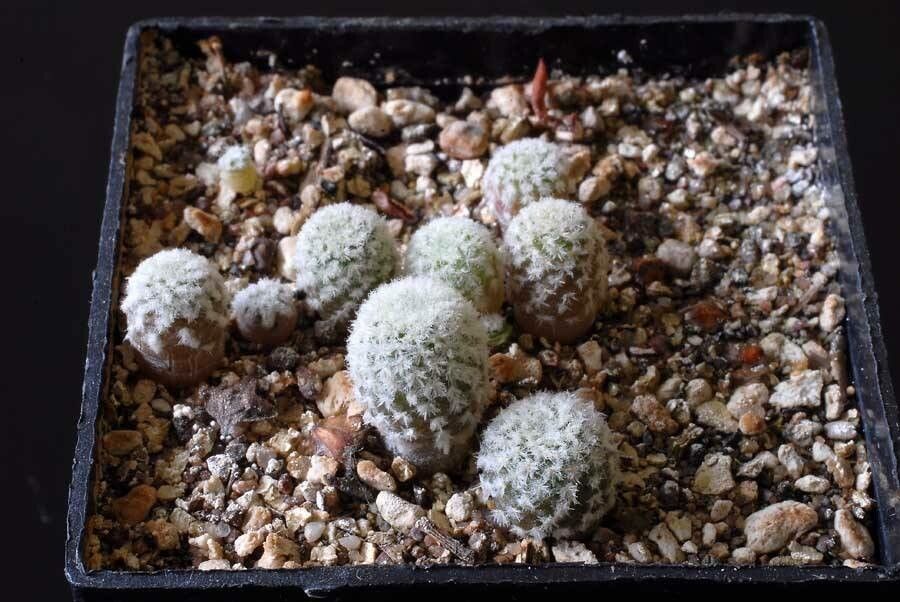
Oh, hello there! So glad you stopped by. You’ve got your eye on Eriosyce duripulpa, have you? Wonderful choice! This little cactus, with its striking ribbed body and often impressive wool, is a true gem in any collection. There’s something incredibly satisfying about coaxing a new life from a piece of an established beauty. It’s a journey that connects us a little deeper to the plant world, don’t you think?
Now, I won’t sugarcoat it. Eriosyce duripulpa isn’t the absolute easiest plant for a complete novice to propagate. It requires a bit of patience and understanding of its needs. But with a little guidance and a willingness to learn, it’s absolutely achievable, and let me tell you, the reward is so worth it!
The Best Time to Start
For Eriosyce duripulpa, like many succulents, spring and early summer are your best friends. This is when the plant is actively growing, brimming with energy, and best equipped to heal from any cuts and develop new roots. Aim for a time when your indoor temperatures are consistently warm, and there’s plenty of bright, indirect sunlight. Avoid propagating during its dormant winter phase.
Supplies You’ll Need
Here’s what you’ll want to have on hand to make this process smoother:
- Well-draining potting mix: A cactus and succulent mix is ideal. Some growers even add extra perlite or pumice to ensure excellent drainage – I often do!
- Sharp, sterile pruning shears or a clean knife: For making clean cuts that heal faster.
- Rooting hormone (optional but recommended): This can significantly boost your success rate.
- Small pots or trays: Clean and with drainage holes, of course.
- Gravel or perlite: For a drainage layer at the bottom of pots if you tend to overwater.
- Watering can or spray bottle: For gentle watering.
- A small brush: To gently dust off soil.
Propagation Methods
The most reliable way to propagate Eriosyce duripulpa is through stem cuttings, which essentially means taking off offsets or “pups” that grow from the base of the parent plant.
- Locate an Offset: Look for any smaller, detached growths that have started to emerge from the main body of your Eriosyce. These are your candidates!
- Make the Cut: Using your sharp, sterile tool, carefully sever the offset from the parent plant. Try to make the cut as clean as possible. If the offset has its own tiny roots already, that’s a bonus!
- Let it Callus: This is perhaps the most crucial step for cacti. Place the severed offset in a dry, airy spot away from direct sunlight. Leave it for several days to a week, or even longer, until the cut surface has completely dried and callused over. This scab-like layer prevents rot when you plant it.
- Prepare for Planting: Once callused, you can gently dip the cut end into rooting hormone, if you’re using it. Tap off any excess.
- Planting: Fill your small pots with your well-draining mix. Make a small indentation in the center and gently place the callused end of your cutting into the mix. You can use a small pebble or two to help support it if it’s wobbly. Don’t bury it too deeply; just enough so it stands upright.
The “Secret Sauce” (Pro Tips)
Here are a couple of things I’ve learned over the years that really make a difference:
- Patience is a Virtue (Especially with Water): After planting your callused cutting, resist the urge to water immediately. Wait at least a week, sometimes even two if the air is very humid. When you do water, water very sparingly. The cutting needs to rely on stored moisture and develop roots before it can drink.
- Warmth Encourages Roots: Cacti absolutely love a bit of bottom heat when they’re trying to root. If you have a propagation mat or can place your pots in a warm spot (like on top of a refrigerator), this can significantly speed up root development. Just ensure the surface isn’t too hot – you want it to feel pleasantly warm, not scorching.
Aftercare & Troubleshooting
Once your cutting starts to show signs of rooting (this can take weeks, sometimes months!), you can begin to water it more regularly, but still, let the soil dry out completely between waterings. You might notice the cutting plumping up a bit, which is a good sign new roots are forming and it’s taking up moisture.
The most common issue you’ll face is rot. If you see your cutting becoming soft, mushy, or developing dark, watery spots, it’s likely rotting. This usually happens if it received too much moisture before callusing properly or before roots were established. Unfortunately, if rot sets in significantly, it’s often hard to save. You might be able to salvage a healthy part of a cutting if caught very early, but prevention is key!
A Little Encouragement
So there you have it! Propagating Eriosyce duripulpa is a bit of a dance, a dance of patience and keen observation. Don’t be discouraged if your first attempt isn’t a roaring success. Each plant, and each cutting, is an individual. Keep trying, learn from what happens, and most importantly, enjoy the process. Watching that tiny propagule stretch and grow is one of gardening’s quiet, profound pleasures. Happy growing!
Resource: