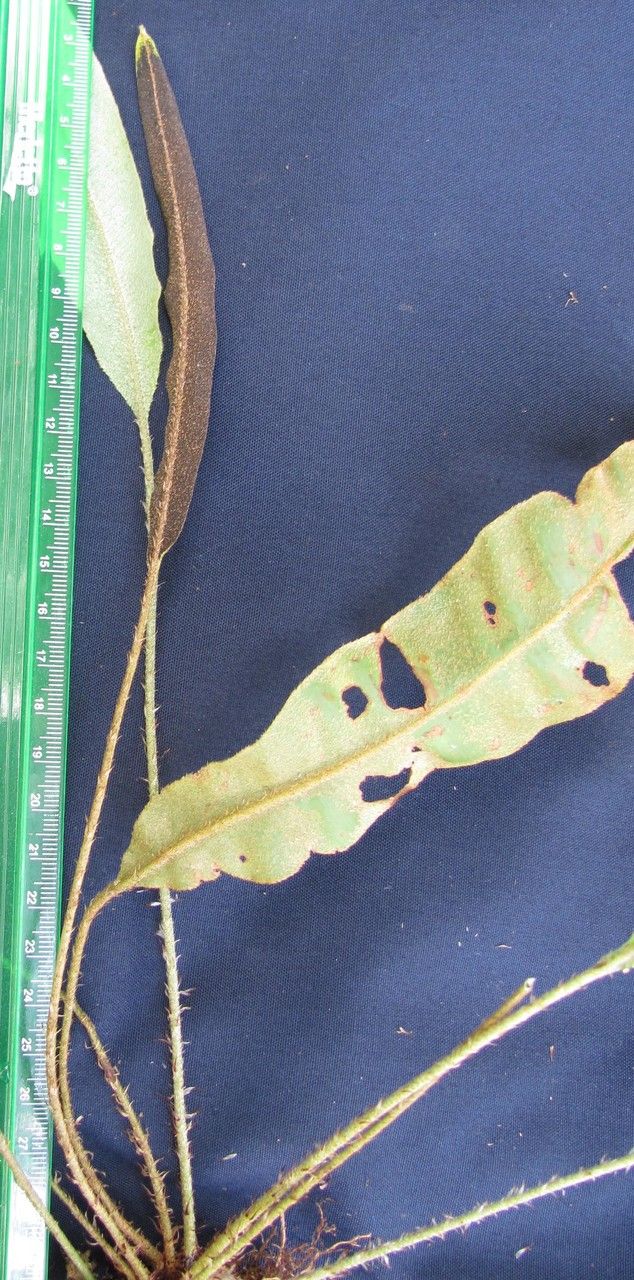
Oh, Elaphoglossum brenesii! What a beautiful fern to bring into your home jungle. If you’ve ever marveled at its lush, leathery fronds, I completely understand why you’d want more. Propagating this little gem is a wonderfully rewarding experience, and even though it might seem a tad daunting at first, it’s actually quite achievable with a little know-how and patience. Don’t worry, I’ll walk you through it, just like we’re chatting over a cup of tea in my greenhouse.
The Best Time to Start
For Elaphoglossum brenesii, the absolute sweet spot for propagation is spring and early summer. This is when the plant is really hitting its stride, with robust growth and plenty of energy. Think of it as the plant’s prime time for new beginnings – and your prime time to help it along! Trying this when the plant is dormant or stressed is just setting yourself up for disappointment.
Supplies You’ll Need
Gathering your tools upfront makes the whole process smoother. Here’s what I always have on hand:
- Sterilized sharp pruning shears or a clean knife: This is crucial for making clean cuts that reduce the risk of disease.
- Well-draining potting mix: A blend of peat or coco coir, perlite, and a touch of orchid bark works beautifully for ferns. Avoid heavy, dense soils.
- Small pots or propagation trays: Clean ones, please! Tiny pots are perfect for starting individual cuttings.
- Perlite or vermiculite: These help with aeration and moisture retention in your potting mix.
- Clear plastic bags or a propagation dome: To create a humid environment for your cuttings.
- Optional: Rooting hormone (powder or gel): While not strictly essential for Elaphoglossum brenesii, it can give cuttings a little boost.
Propagation Methods
Elaphoglossum brenesii is best propagated by division. This is where we gently separate parts of the parent plant that already have some roots and growth. It’s like taking a healthy “baby” plant from the side of its “mom.”
Here’s how I do it:
- Gently remove the parent plant from its pot and carefully shake off excess soil. I like to do this over a newspaper or a drop cloth because it can get messy!
- Inspect the root ball. You’ll be looking for natural separation points where you can see distinct crowns (where the leaves emerge from the roots) or where the rhizomes (the creeping stem usually underground) have branched significantly.
- Using your sterilized pruning shears or knife, carefully divide the plant. Aim for divisions that have at least one or two healthy fronds and a good clump of roots attached. Don’t be afraid to be gentle but firm. If you have to cut through a rhizome, ensure each piece has some roots.
- Pot up your new divisions into their own small pots filled with your prepared, well-draining mix. Make sure the top of the root ball is just at or slightly below the soil surface.
- Water thoroughly. You want the soil to be evenly moist but not waterlogged.
The “Secret Sauce” (Pro Tips)
Now, for a couple of little tricks I’ve learned over the years that really help these ferns thrive:
- Don’t overwater the divisions initially. While ferns love humidity, freshly divided plants can be prone to rot if the soil stays soggy. Keep the soil consistently moist, but allow the very top to dry out slightly between waterings. It’s a delicate balance!
- Provide gentle bottom heat. If you have a heat mat designed for plants, placing your potted divisions on it can significantly speed up root development. The warmth encourages robust growth without drying out the foliage.
Aftercare & Troubleshooting
Once your new divisions are potted up, give them a good drink and then place them in a humid environment. This is where the plastic bag or propagation dome comes in handy. Tent it loosely over the pot to trap moisture. Keep them in bright, indirect light – no direct sun, ever!
You’ll know your propagation is successful when you start to see new fronds unfurling from the center of your division. This can take anywhere from a few weeks to a couple of months.
What about when things go wrong? The most common issue is rot. If you see your fronds turning yellow and mushy, or if the base of the plant feels soft and slimy, it’s usually a sign of too much moisture and poor air circulation. In this case, you might need to unpot it, trim away any rotted parts with your sterilized shears, and repot in fresh, drier soil, ensuring better drainage and ventilation.
A Little Encouragement
Propagating plants is a journey, and each success is a little victory. Don’t get discouraged if your first attempt isn’t perfect. Be patient with your new Elaphoglossum brenesii divisions, give them consistent care, and enjoy the magic of watching them grow into their own beautiful selves. Happy propagating!
Resource:
https://identify.plantnet.org/k-world-flora/species/Elaphoglossum%20brenesii%20Mickel/data