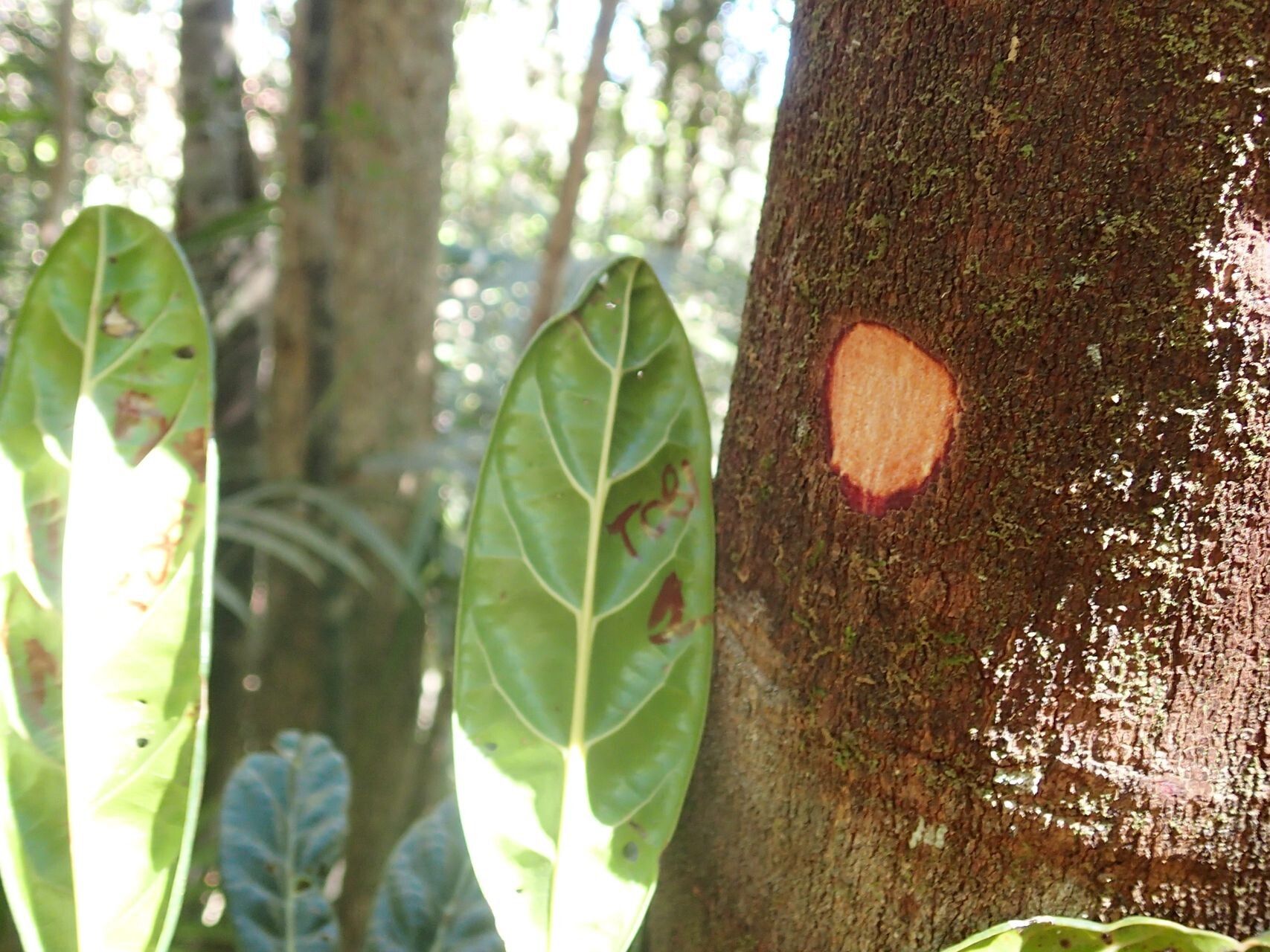
Hello my fellow garden enthusiasts! Today, we’re diving into the wonderful world of propagating Elaeocarpus hortensis. I’ve spent years with this beauty, and let me tell you, watching a tiny cutting transform into a vibrant new plant is one of gardening’s most satisfying joys. Elaeocarpus hortensis, with its lovely evergreen foliage and sometimes delicate blooms, is a plant that rewards patience. While not as straightforward as a pothos for absolute beginners, it’s certainly achievable with a little know-how and a good dose of enthusiasm.
The Best Time to Start
For Elaeocarpus hortensis, the sweet spot for propagation is late spring to early summer. This is when the plant is actively growing and has plenty of energy to put into developing new roots. You’re looking for new, semi-hardwood growth. This means the stems are no longer floppy and green but have started to firm up slightly. Avoid taking cuttings from very soft, new, floppy growth, or from old, woody stems.
Supplies You’ll Need
Here’s what I always have on hand when I’m getting ready to propagate:
- Sharp Pruning Shears or a Sharp Knife: Cleanliness is key! Disinfect them with rubbing alcohol before each use.
- Rooting Hormone: A powder or gel designed for semi-hardwood cuttings. This significantly boosts your success rate.
- Well-Draining Potting Mix: I like a blend of equal parts perlite and peat moss, or a quality seed-starting mix. You can also buy specific potting mixes for cuttings.
- Small Pots or Propagation Trays: Clean pots with drainage holes are essential.
- Plastic Bag or Propagation Dome: To create a humid environment around your cuttings.
- Watering Can or Spray Bottle: For gentle watering.
- Labels and a Marker: To keep track of what you’ve planted and when.
Propagation Methods
I find stem cuttings to be the most reliable method for Elaeocarpus hortensis. Let’s walk through it.
- Take Your Cuttings: Select healthy stems that are about 4-6 inches long. Make a clean cut just below a leaf node (where a leaf attaches to the stem).
- Prepare the Cuttings: Gently strip off the lower leaves, leaving only a few at the top. This reduces moisture loss and prevents leaves from rotting. If the remaining leaves are very large, you can even cut them in half horizontally.
- Apply Rooting Hormone: Dip the cut end of each stem into your rooting hormone, tapping off any excess.
- Plant Your Cuttings: Fill your clean pots with the prepared potting mix. Make a hole in the center with your finger or a pencil. Insert the cutting into the hole, ensuring the leaf nodes it was cut from are below the soil surface. Gently firm the soil around the base of the cutting.
- Water Gently: Water thoroughly but gently so as not to disturb the cuttings.
- Create Humidity: Cover the pots with a clear plastic bag, using stakes to keep the bag from touching the foliage. Alternatively, use a propagation dome. Place the pots in a bright location, but out of direct sunlight.
The “Secret Sauce” (Pro Tips)
Having done this for years, I’ve learned a few tricks that make a real difference.
- Bottom Heat: If you can, place your pots on a heated propagation mat. This is a game-changer for encouraging root development, especially if your room temperature is a bit cooler. It’s like giving your cuttings a cozy warm bed to grow roots in!
- Sanitation is Non-Negotiable: Seriously, sterilize everything. Your pots, your tools, even your hands before you start. Fungus and bacteria are the silent killers of cuttings, and a little bit of cleaning goes a long way in preventing rot.
- Don’t be Afraid to Experiment (Slightly): While I highly recommend the base rooting hormone, sometimes I’ll use a slightly milder liquid fertilizer (at half strength) in the initial watering after planting. This provides a little bit of sustenance, but I’m very cautious about overdoing it.
Aftercare & Troubleshooting
Once your cuttings are planted and covered, the real waiting game begins. Keep the soil consistently moist but not waterlogged. This is crucial. You don’t want them drying out, nor do you want them sitting in soggy soil.
You’ll know your cuttings have rooted when you see new leaf growth. You can also give them a very gentle tug; if there’s resistance, it means roots have formed. This can take anywhere from 4 to 8 weeks, or even longer.
The biggest challenge is rot. If you see leaves turning black and mushy, or the stem itself becoming soft and dark at the soil line, it’s a sign of too much moisture and not enough air circulation. In this case, you might need to remove the affected cutting and try to salvage any healthier ones, ensuring better drainage and a bit less watering.
A Encouraging Closing
Propagating Elaeocarpus hortensis is a rewarding journey. Don’t get discouraged if every single cutting doesn’t make it. Nature has its own way, and sometimes it takes a few tries. Be patient, observe your cuttings closely, and most importantly, enjoy the process of nurturing new life. Happy gardening!
Resource:
https://identify.plantnet.org/k-world-flora/species/Elaeocarpus%20hortensis%20Guillaumin/data