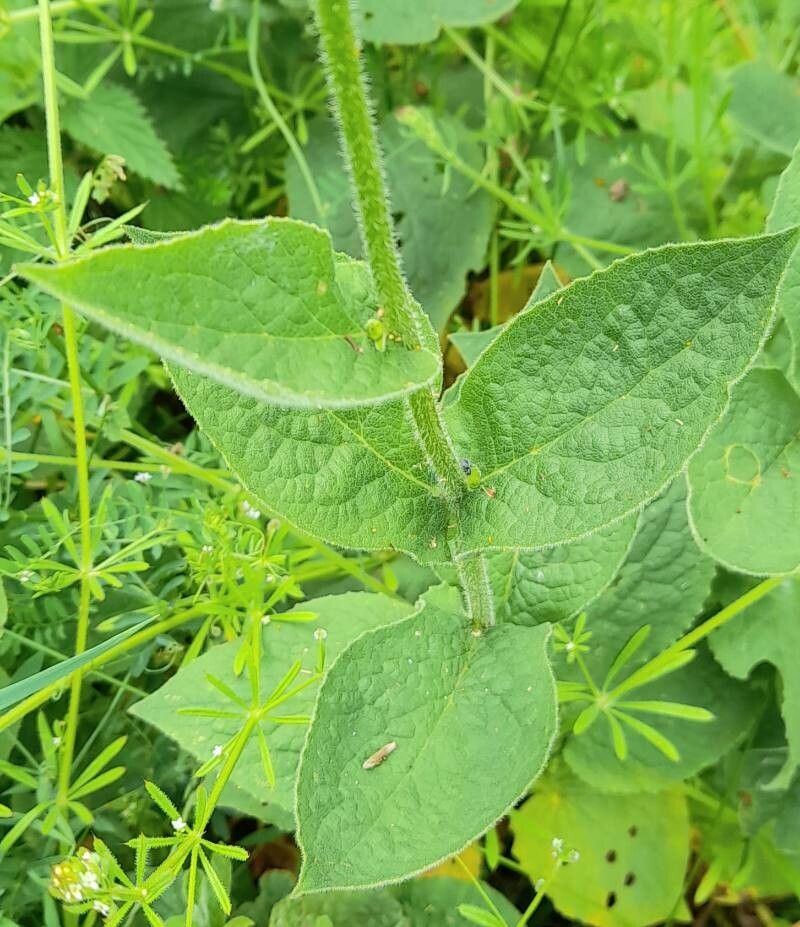
Hello, fellow garden enthusiasts! It’s great to have you here. Today, we’re going to talk about a plant that has brought so much sunshine into my own garden for years: Doronicum austriacum, often called Austrian Leopard’s Bane. These cheerful, daisy-like blooms with their bright yellow petals are a true springtime delight. They’re like little bursts of pure joy after a long winter, and there’s something incredibly satisfying about multiplying them yourself. Trust me, it’s easier than you might think, and a wonderful way to fill your garden beds or share with friends.
The Best Time to Start
For Doronicum, the sweet spot for propagation is generally in the spring, right as new growth is really pushing. You’re looking for healthy, vigorous shoots that are just starting to elongate. You can also have success with division in early autumn, once the flowering season is winding down, but spring is my absolute favorite for getting new plants off to the best start.
Supplies You’ll Need
Gathering your tools before you begin makes the whole process smoother. Here’s what I usually have on hand:
- Sharp pruning shears or a clean knife: For making clean cuts.
- Potting mix: A well-draining mix is key. I often use a blend of potting soil, perlite, and a little compost.
- Small pots or seed trays: Clean pots are crucial to prevent disease.
- Rooting hormone (optional but recommended): This little booster can really speed things up.
- Watering can with a fine rose: To gently water your cuttings.
- Labels: Don’t forget to label your plants! Trust me, you’ll thank yourself later.
Propagation Methods
Doronicum is quite forgiving, and I’ve found two methods work particularly well for me.
Method 1: Division (My Personal Favorite!)
This is the most straightforward way to propagate Doronicum, especially for beginners.
- Digging Up: In early spring, gently dig up a mature, healthy Doronicum plant. Try to disturb the roots as little as possible.
- Separating: Gently shake off excess soil. You’ll see that the plant naturally forms clumps. Using your hands, or carefully with a clean spade or knife if the clumps are very dense, separate the plant into smaller sections. Each section should have at least a few healthy shoots and a good portion of roots.
- Replanting: Immediately replant your divisions in their new homes. Space them about 12-18 inches apart, depending on how large you want them to grow. Water them in well.
Method 2: Stem Cuttings
This method is a bit more hands-on but equally rewarding.
- Taking Cuttings: Select healthy, non-flowering shoots that are about 3-4 inches long. Using your sharp pruners, make a clean cut just below a leaf node (where a leaf attaches to the stem).
- Preparing the Cuttings: Gently remove the lower leaves, leaving only the top one or two. This prevents them from rotting in the soil. If you’re using rooting hormone, dip the cut end into it now.
- Planting: Fill your small pots with your well-draining potting mix. Make a small hole with your finger or a pencil. Insert the cutting, making sure the bottom node is buried in the soil. Gently firm the soil around it.
- Watering: Water lightly to settle the soil. You can place a clear plastic bag over the pot to create a mini-greenhouse, but make sure the leaves don’t touch the plastic.
The “Secret Sauce” (Pro Tips)
Here are a couple of things I’ve learned over the years that make a difference:
- Don’t Rush the Roots: With stem cuttings, patience is truly a virtue. Resist the urge to pull them up to check for roots too early. Wait at least 3-4 weeks, and you’ll often see new growth before you even see significant roots.
- Location, Location, Location: For stem cuttings, I’ve found that placing them in a bright, indirect light location works best. Too much direct sun can scorch those tender young shoots, while too little light won’t encourage strong root development.
Aftercare & Troubleshooting
Once your divisions are replanted or your cuttings have rooted (you’ll see new growth!), treat them like young plants.
- Watering: Keep the soil consistently moist but not waterlogged. Overwatering is the quickest way to invite trouble.
- Light: Continue to provide that bright, indirect light for cuttings. Established divisions will appreciate similar conditions to the parent plant.
- Signs of Trouble: If cuttings start to look limp and yellow, or if the stems turn mushy and brown, it’s often a sign of rot, usually from too much moisture or poor drainage. If you see this, sadly, it’s best to discard the affected cutting and try again, ensuring your soil drains well.
And there you have it! Propagating Doronicum austriacum is a wonderfully rewarding part of gardening. Don’t be discouraged if your first attempt isn’t perfect. Every plant, and every attempt, is a learning experience. Take your time, enjoy the process, and before you know it, you’ll have an abundance of these golden beauties gracing your garden. Happy planting!
Resource:
https://identify.plantnet.org/k-world-flora/species/Doronicum%20austriacum%20Jacq./data