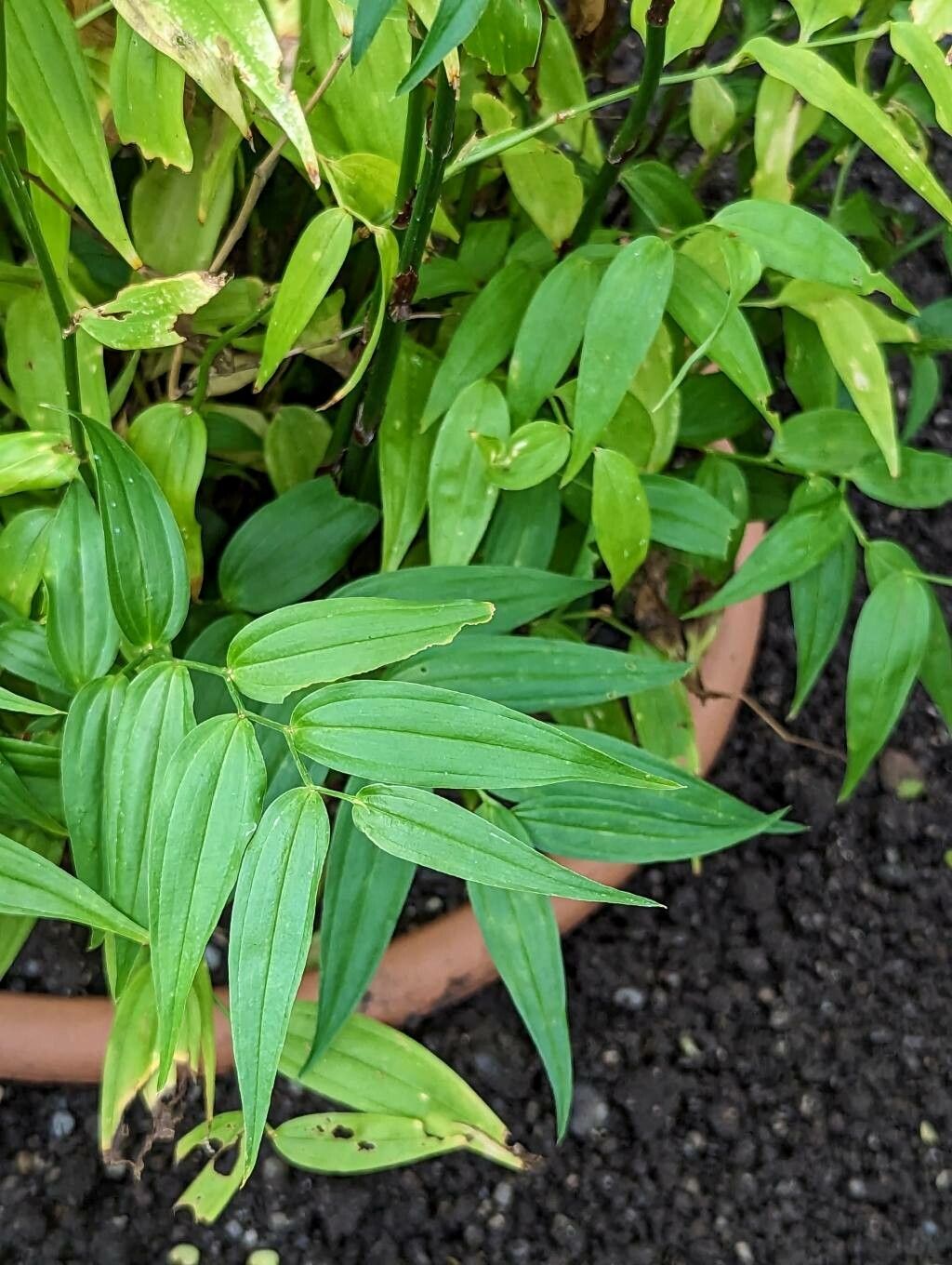
Oh, Disporum cantoniense! What a delightful plant to have gracing our gardens. I’ve been growing these beauties for years, and honestly, their graceful arching stems and those lovely, bell-shaped flowers that dangle like little lanterns just make me happy. You’ve probably admired them for their unique elegance, and if you’re anything like me, you’ve likely thought, “Wouldn’t it be wonderful to have more of these?”
The good news? Propagating Disporum cantoniense is a truly rewarding experience, and you know what? It’s not as tricky as you might think! While some plants can be rather fussy, Disporum is generally quite forgiving, making it a great choice for those looking to expand their plant family without too much stress.
The Best Time to Start
For the highest success rate with Disporum cantoniense, I always recommend working with them in the spring, just as new growth is emerging. This is when the plant is buzzing with energy and ready to push out new shoots and roots. Waiting until the plant has begun actively growing, rather than trying to propagate from a dormant state, will give your efforts a real boost.
Supplies You’ll Need
Gathering your tools beforehand makes the whole process much smoother. Here’s what I usually have on hand:
- Sharp Felco pruners or a clean, sharp knife: For making clean cuts.
- Well-draining potting mix: A blend of peat moss, perlite, and compost works beautifully. You can also find pre-made seed starting mixes that are excellent.
- Small pots or seed trays: Clean ones are a must to prevent disease.
- Rooting hormone (optional but helpful): A powder or gel can give your cuttings an extra edge.
- Plastic bags or a propagation dome: To create a humid environment.
- Watering can with a fine rose or spray bottle: For gentle watering.
- Labels and a marker: So you don’t forget what you planted where!
Propagation Methods
Disporum cantoniense is best propagated through division in the spring. While stem cuttings can sometimes work, division is much more reliable and consistently successful for this particular plant.
-
Prepare the Parent Plant: Gently dig up the established Disporum cluster in early spring. Try to disturb the roots as little as possible. You might notice new shoots already starting to emerge.
-
Assess the Clump: Look at the root ball. You’ll want to identify natural divisions where the plant’s rhizomes (those thick, fleshy underground stems) have started to separate.
-
Divide with Care: Using your clean pruners or knife, carefully separate the divisions. Each division should have at least one healthy growth bud or eye and a good portion of the root system attached. Don’t be afraid to gently tease apart the roots if needed. If a division seems particularly large, you can divide it further, but always ensure it has those essential components.
-
Replant Immediately: As soon as you’ve made your divisions, it’s time to get them into their new homes.
-
Potting Up: Plant each division in a clean pot filled with your well-draining potting mix. The top of the rhizome should be just at or slightly below the soil surface. Water them in gently but thoroughly.
The “Secret Sauce” (Pro Tips)
Here are a few little tricks I’ve learned over the years that can really make a difference:
- Don’t Overwater Early On: While the new divisions need moisture, it’s crucial not to let them sit in soggy soil. Overwatering is one of the quickest ways to invite rot, especially for newly divided plants. Let the top inch of soil dry out slightly between waterings.
- Tuck Them In: Once potted, you can give your divisions a little extra protection by placing them in a partially shaded spot outdoors, or in a bright, indirect light location indoors. They don’t need intense sun right away.
- Patience is a Virtue: Disporum aren’t the fastest growers, so give them time. It might take a few weeks for you to see visible signs of new growth above the soil. Don’t dig them up to check on the roots too soon!
Aftercare & Troubleshooting
Once your Disporum divisions start to show signs of life – a tiny green shoot emerging from the soil – you’re well on your way! Continue to water them consistently but don’t overdo it. As they grow larger and develop a more robust root system, you can gradually transition them to their permanent garden spots or larger containers.
The most common issue you might encounter is rot. If a division wilts and turns mushy, or if you see dark, soft stems, it’s likely due to too much moisture. Unfortunately, once rot sets in, it’s very difficult to save the plant. This is why careful watering and ensuring good drainage are so critical. If you’re consistently struggling with rot, try a lighter potting mix or ensure your pots have ample drainage holes.
A Encouraging Closing
Seeing a new Disporum cantoniense sprout and thrive from a division you made is one of the most satisfying gardening achievements. It’s a tangible connection to the cycle of life and a testament to your growing skills. Be patient with your new plants, enjoy the process of nurturing them, and before you know it, you’ll have more of these delightful bell-flowered beauties to share and enjoy. Happy gardening!
Resource:
https://identify.plantnet.org/k-world-flora/species/Disporum%20cantoniense%20(Lour.)%20Merr./data