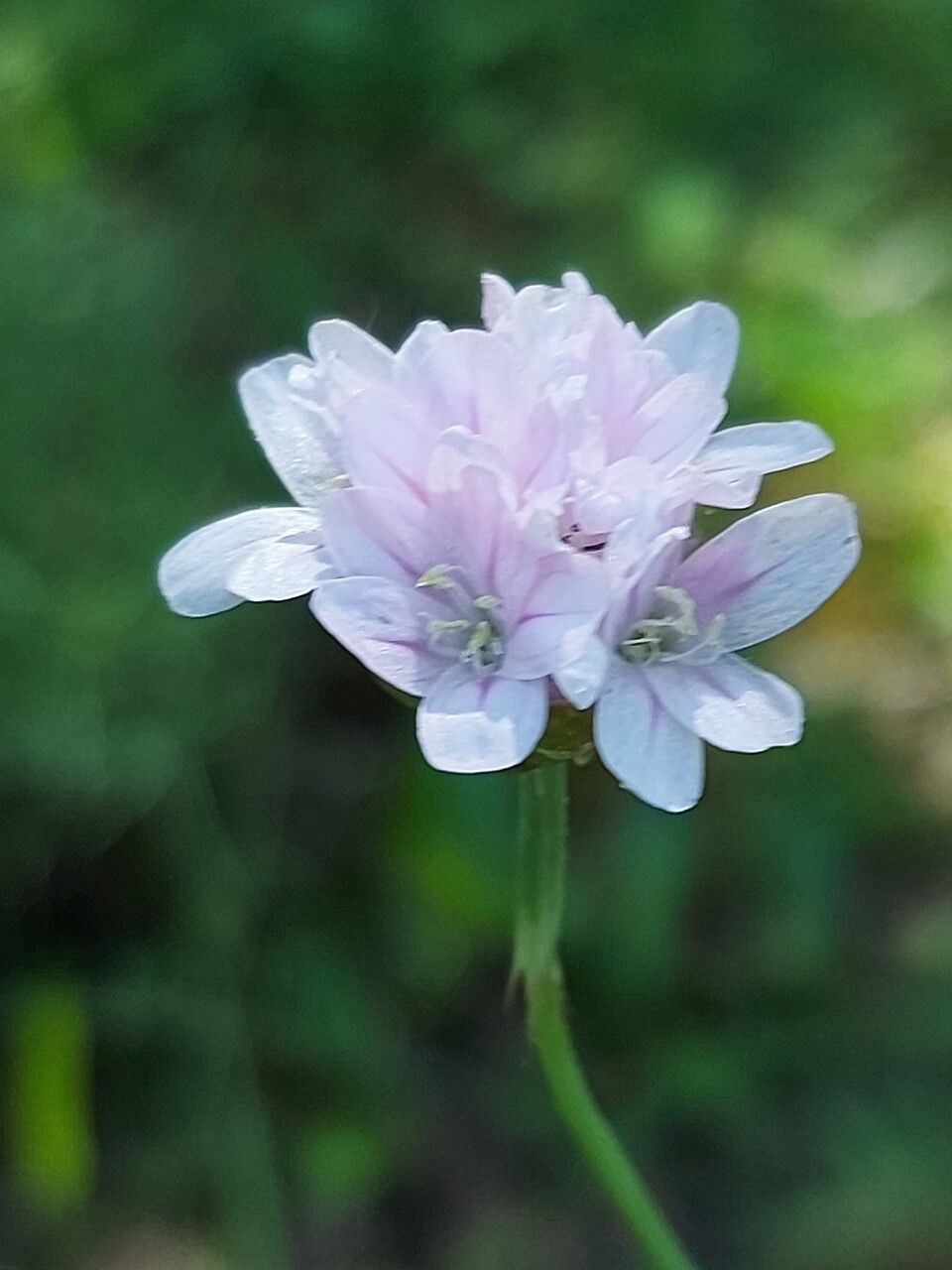
Hello there, fellow garden enthusiasts! It’s wonderful to connect with you again. Today, I want to chat about a real gem that always brings a smile to my face: Armeria sulcitana. You might know it better as the Sardinian Thrift, and oh, it’s a beauty! Its dense mounds of grassy foliage topped with those delicate, rosy-pink pom-pom flowers are simply captivating. They look like little cushions of joy scattered across the landscape, and they’re surprisingly tough too, thriving in sunny, well-drained spots.
There’s something incredibly satisfying about creating more of a plant you love. Propagating Armeria sulcitana is a fantastic way to fill your garden with more of this charm or to share the love with friends. For those just dipping their toes into the world of propagation, I’d say Armeria sulcitana is moderately easy. It requires a little attention to detail, but the rewards are well worth it.
The Best Time to Start
When it comes to getting the best results, timing is everything, isn’t it? I find that the late spring or early summer, after the main flush of flowering has finished, is the prime time to propagate Armeria sulcitana. The plant is usually bursting with vigorous new growth then, which makes it ideal for taking cuttings or dividing. You want to work when the plant is actively growing and has plenty of energy to spare.
Supplies You’ll Need
Before we dive in, let’s gather our tools. Having everything ready makes the process so much smoother. Here’s what I usually have on hand:
- Sharp pruning shears or a clean knife: For taking neat cuttings.
- Rooting hormone (powder or gel): This isn’t strictly essential for Armeria sulcitana, but it can give your cuttings a helpful boost.
- Small pots or trays: About 3-4 inches in size are perfect. Make sure they have drainage holes!
- A good potting mix: I recommend a well-draining mix. A standard potting soil amended with perlite or coarse sand works wonders. You can also find specific succulent or cactus mixes that are excellent.
- A spray bottle: For misting.
- Gloves: To keep your hands clean.
- Labels and a pen: To keep track of what you’ve planted and when.
Propagation Methods
Now for the exciting part – getting your new plants started! For Armeria sulcitana, my go-to methods are division and stem cuttings.
1. Division: The Simplest Route
This is often the easiest way to propagate established clumps of Armeria sulcitana.
- Step 1: Loosen the Plant: First, gently dig around the base of your Armeria sulcitana plant. If it’s a large clump, you might need to use a garden fork. The goal is to lift the entire root ball out of the soil.
- Step 2: Separate the Divisions: Once it’s out, you’ll see that the plant naturally forms clumps. You can carefully pull these apart with your hands. If the roots are a bit tangled, a sharp knife or spade can help you slice through them. Aim to get divisions that have a good amount of roots and a few leafy shoots.
- Step 3: Replant Immediately: Plant your divisions into your prepared pots or directly back into the garden in a well-draining location. Water them in well, and you should see them establish quickly.
2. Stem Cuttings: A Bit More Patience, Big Rewards
This method requires a little more finesse but can yield excellent results.
- Step 1: Take Cuttings: Look for healthy, non-flowering shoots that are about 3-4 inches long. Using your sharp pruners or knife, make a clean cut just below a leaf node. Remove the lower leaves from the cutting, leaving just a few at the top.
- Step 2: Prepare the Cuttings: If you’re using rooting hormone, dip the cut end of the stem into the powder or gel. This helps encourage root development.
- Step 3: Plant Your Cuttings: Fill your small pots with your well-draining potting mix. Make a small hole with your finger or a pencil, and gently insert the cutting. Firm the soil around the base to ensure good contact. Don’t overcrowd the pots; give each cutting a bit of space.
- Step 4: Water and Cover: Water the cuttings gently until the soil is moist but not soggy. To create a humid environment, which cuttings love, you can place the pots inside a clear plastic bag, supported by stakes so the bag doesn’t touch the leaves, or cover them with a clear plastic lid.
The “Secret Sauce” (Pro Tips)
Honestly, a lot of successful gardening comes down to a few little tricks we learn over time. Here are a couple that really help with Armeria sulcitana:
- Don’t be afraid of a firm hand: When you’re planting cuttings or divisions, make sure the soil is firmly pressed around the base. This eliminates air pockets and encourages roots to grow into the soil.
- Bottom heat is your friend: If you can, place your pots of cuttings on a heat mat. This gentle warmth from below significantly speeds up root formation. It mimics the coziness of spring soil, and the plants just soak it up!
Aftercare & Troubleshooting
Once your cuttings have rooted (you’ll see new growth emerging, or you can gently tug on a cutting and feel resistance), it’s time to give them a little extra TLC.
- Gradual Acclimation: If you covered your cuttings, gradually remove the plastic over a few days to let them get used to normal humidity.
- Watering: Water them when the top inch of soil feels dry. They prefer not to be waterlogged, so err on the side of slightly dry.
- Repotting: Once they have a good root system and are showing healthy new growth, you can transplant them into slightly larger pots or into their permanent garden homes.
Now, don’t be discouraged if you experience a few failures. It happens to all of us! The most common issue you might encounter with cuttings is rot. This usually happens due to overwatering or poor drainage. If you see your cutting going limp and mushy, it’s likely rotting. In this case, it’s best to discard it and start again, ensuring your soil is well-draining and you’re not watering too frequently.
A Little Patience Goes a Long Way
Propagating plants is a journey, and like any good journey, it’s about the process. Be patient with your new Armeria sulcitana. Some will root faster than others, and that’s perfectly okay. Enjoy watching those tiny shoots emerge, and celebrate each new success. Happy gardening, and may your gardens be ever-blooming!
Resource:
https://identify.plantnet.org/k-world-flora/species/Armeria%20sulcitana%20Arrigoni/data