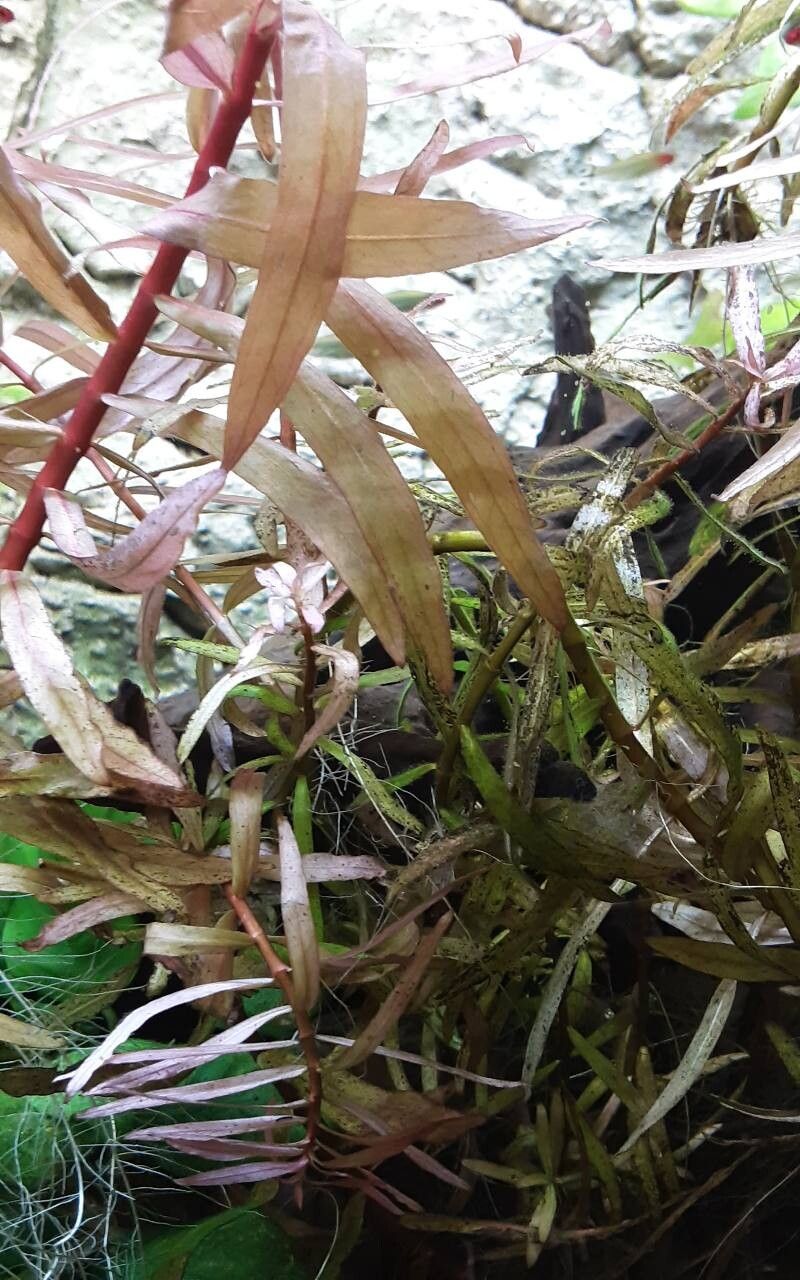
Oh, Diodia kuntzei! You know, I’ve always had a soft spot for this little gem. It’s one of those plants that seems to hum with quiet life, its delicate foliage and charming blooms bringing a touch of understated elegance to any corner they grace. If you’re looking to multiply this beauty, you’re in for a treat. Propagating it is a wonderfully rewarding way to fill your garden or share with fellow plant lovers. And for you beginners out there, don’t fret! While it requires a little attention, Diodia kuntzei is quite obliging when it comes to sharing.
The Best Time to Start
My favorite time to get Diodia kuntzei going is in the late spring to early summer. The plant is typically in full swing of its growing season then, which means it has plenty of energy to put into rooting. You’ll find it easier to get healthy cuttings when the weather is warm and the days are long. Think of it as your plant ready to burst with life – the perfect moment to ask for a little piece of that vigor!
Supplies You’ll Need
Before we dive in, let’s gather our tools. Having everything ready makes the process so much smoother:
- Sharp pruning shears or a clean, sharp knife: For making those crucial clean cuts.
- Rooting hormone (optional but recommended): A little dip can really encourage faster and stronger root development.
- A well-draining potting mix: I like a blend of equal parts peat moss (or coco coir) and perlite, or a good quality seed starting mix. You want something that holds moisture but doesn’t become waterlogged.
- Small pots or trays: Clean and with drainage holes, of course.
- Plastic bags or a propagator lid: To create a humid environment for your cuttings.
- Water spray bottle: For gentle misting.
Propagation Methods
For Diodia kuntzei, I find stem cuttings to be the most reliable and effective method. It’s straightforward, and you can get quite a few new plants from a single mother plant.
Stem Cuttings:
- Select your cutting: Look for healthy, non-flowering stems on your Diodia kuntzei. You want a piece that’s about 4-6 inches long. Gently twist or cut a stem from the parent plant, making sure your cut is just below a leaf node (where the leaves attach to the stem). This is where the magic happens for root formation.
- Prepare the cutting: Gently remove the lower leaves from the cutting, leaving just a few at the top. This prevents them from rotting in the soil and encourages the plant to divert energy to rooting.
- Apply rooting hormone (if using): Dip the cut end of the stem into your rooting hormone powder or gel. Tap off any excess.
- Plant your cutting: Fill your small pots or trays with your prepared potting mix. Make a small hole in the center with your finger or a pencil. Carefully insert the cut end of the Diodia kuntzei stem into the hole, ensuring the leaf nodes that were buried are now covered by the soil. Gently firm the soil around the stem.
- Water and cover: Water the soil gently but thoroughly. You want it to be moist, not soggy. Now, here’s a key step: cover your pots with a plastic bag or place them in a propagator, creating a mini greenhouse effect. This will keep the humidity high, which is essential for the cuttings to not dry out before they develop roots.
The “Secret Sauce” (Pro Tips)
Now, for a couple of things I’ve learned over the years that really make a difference:
- Airflow is key: While you want to keep humidity high, don’t suffocate your cuttings! Lift the plastic bag or propagator lid daily for a few minutes to allow for air circulation. This helps prevent fungal issues.
- Gentle warmth encourages roots: If you have a heating mat designed for propagators, placing your pots on it can work wonders. This gentle bottom heat signals to the plant that it’s time to get those roots going. Even placing them on top of a warm appliance (like a refrigerator) can offer a little boost. Just be careful not to overheat them!
Aftercare & Troubleshooting
Once your Diodia kuntzei cuttings have roots – you’ll know they’re rooting when you give them a gentle tug and feel resistance, or see new leaf growth – it’s time to ease them into life outside their humid haven.
Carefully remove the plastic covering gradually over a week or so. You want to acclimatize them to lower humidity. Continue to keep the soil consistently moist but not waterlogged. As they grow stronger, you can gradually introduce them to brighter light.
What if things go wrong? The most common culprit is rot. If your cutting turns mushy and black, or develops fuzzy mold, it’s succumbed to too much moisture and not enough air. Don’t despair! Just discard the rotten cutting and try again, perhaps with a slightly different soil mix or by ensuring better air circulation. If the leaves start to yellow and droop significantly, it might mean they’re drying out too quickly – increase the humidity or mist them more often.
A Encouraging Closing
Propagating Diodia kuntzei is a journey, and like any good journey, it’s about the process as much as the destination. Be patient, observe your cuttings, and don’t be afraid to experiment a little. You’ll find your green thumb growing stronger with every successful plant you nurture. Happy propagating!
Resource:
https://identify.plantnet.org/k-world-flora/species/Diodia%20kuntzei%20K.Schum./data