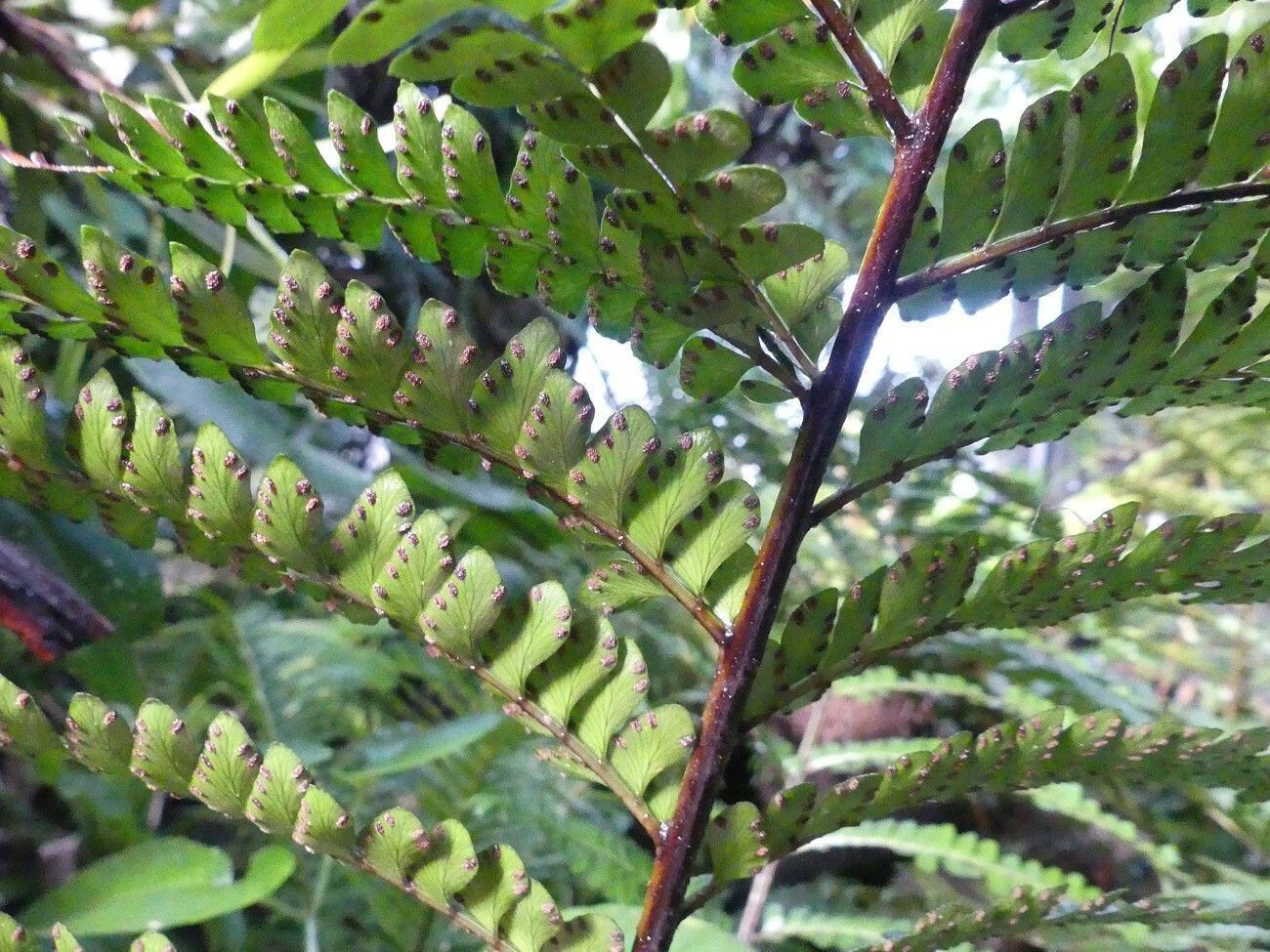
Hello fellow plant enthusiasts! Today, we’re diving into the wonderful world of a rather unique fern: Didymochlaena truncatula, often called the “Lion’s Paw Fern.” If you’re drawn to its leathery, architectural fronds and the way it adds a touch of the exotic to your home, you’re not alone. Growing these beauties from scratch is incredibly rewarding, giving you a deeper connection to your plants and a whole new batch to share (or keep all to yourself, I won’t tell!). While Didymochlaena truncatula isn’t the absolute easiest fern to propagate – it can be a little more particular than some – with a little attention and the right approach, you’ll find success.
The Best Time to Start
For the highest chance of success with your Lion’s Paw Fern, aim to propagate during its active growing season. This typically falls in the spring and early summer. You’ll want to start when the plant is showing signs of new growth, like unfurling fiddleheads or producing fresh fronds. This means it has the energy reserves to focus on developing roots.
Supplies You’ll Need
Gathering your supplies beforehand makes the whole process smoother. Here’s what I usually have on hand:
- Sharp, clean pruning shears or a knife: Essential for making clean cuts.
- Well-draining potting mix: I like a blend of equal parts peat moss, perlite, and orchid bark. This mimics the airy, moist conditions they love.
- Small pots or propagation trays: About 3-4 inches in diameter is usually good.
- Rooting hormone (optional but recommended): A powdered form works well for ferns.
- Clear plastic bags or a propagation dome: To create a humid environment.
- Spray bottle: For misting.
- Labels: So you don’t forget what you’ve propagated!
Propagation Methods
Didymochlaena truncatula is primarily propagated through division, though you might have some luck with spore propagation if you’re feeling adventurous (but let’s stick to the more accessible method for now!).
Division: Creating New Plants from Existing Ones
This is my go-to method for ferns like the Lion’s Paw. It involves separating a mature plant into smaller divisions, each with its own crown and root system.
- Gently remove the fern from its pot. Tip the pot on its side and nudge the plant out. If it’s stuck, a gentle tap around the rim should help.
- Examine the root ball. Look for natural separation points. You’re looking for sections where roots are already distinct and where there’s a visible growing point or crown.
- Carefully tease the roots apart. You can use your fingers for this, or a clean knife if the roots are very tightly bound. The goal is to create divisions that have both roots and at least one healthy frond or bud. Avoid tearing the roots excessively.
- Pot up your divisions. Fill your small pots with your prepared potting mix. Make a little well in the center and place your division in it, spreading out the roots as best you can.
- Bury the roots and firm the soil gently. The crown should be at or slightly above the soil line.
- Water thoroughly. Give each pot a good watering to settle the soil around the roots.
- Create humidity. Place each potted division into a clear plastic bag, sealing it loosely with a twist tie, or cover them with a propagation dome. This traps moisture and mimics the humid environment ferns crave.
The “Secret Sauce” (Pro Tips)
Here are a few tricks I’ve learned over the years that can make a big difference:
- Don’t rush the separation: If you can’t easily separate a division, it’s better to let it grow a bit longer and try again on a healthier plant. Forcing it can damage both the parent and the potential new plant.
- Bottom heat works wonders: Placing your newly potted divisions on a gentle heat mat can significantly speed up root development. Ferns love warmth, and a little boost from below encourages those roots to form. Just make sure it’s not too hot – you don’t want to cook them!
- Consider a weak rooting hormone dip: Dipping the cut ends of the roots (if you’ve had to cut any) or the base of the division into a rooting hormone before potting can give them a nice head start.
Aftercare & Troubleshooting
Once your divisions are potted and misted, the real waiting game begins!
- Keep them consistently moist but not soggy. Check the soil daily. The plastic bag or dome should keep the humidity high, meaning you won’t need to water as often.
- Provide bright, indirect light. No direct sun, please! Think of the dappled shade on a forest floor.
- Ventilate occasionally. Open the plastic bags or dome for a few minutes every few days to allow for air circulation and prevent fungal issues. Remove them entirely once you see new growth.
- Watch for signs of roots. This can take several weeks to a few months. You might see new frond growth emerging from the crown as a good indicator. You can also gently tug on the plant; if there’s resistance, roots have formed.
- Troubleshooting: The most common issue is rot. This usually happens from overwatering or poor air circulation. If you see mushy, brown stems or fronds, try to improve drainage and ventilation immediately. If it’s widespread, sadly, the division might be lost. Browning fronds that aren’t mushy might just mean it’s adjusting to its new home; keep it consistently moist and humid and see if new growth emerges.
A Little Patience Goes a Long Way
Propagating Didymochlaena truncatula is a journey, not a sprint. There will be moments of doubt, but celebrating those tiny new fronds unfurling makes it all worthwhile. Enjoy the process, learn from each attempt, and soon you’ll have a small army of these gorgeous ferns to brighten your space. Happy propagating!
Resource:
https://identify.plantnet.org/k-world-flora/species/Didymochlaena%20truncatula%20(Sw.)%20J.Sm./data