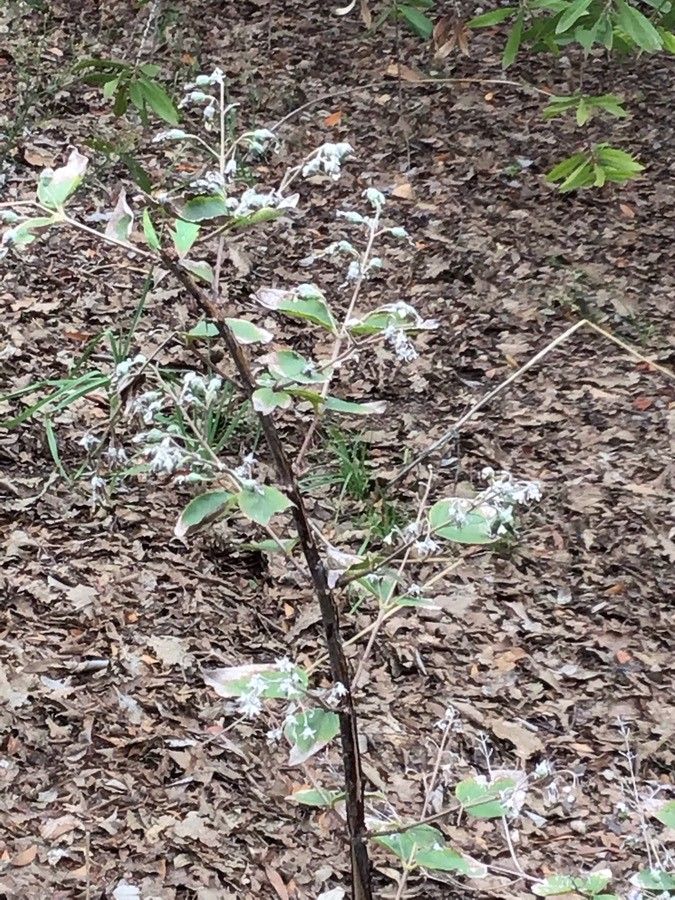
Oh, hello there! It’s wonderful to have you join me for a chat about one of my favorite garden companions: Deutzia albida. If you’ve ever admired its delicate white blooms, a frothy cascade of pure springtime joy, then you’re in for a treat. Propagating these beauties is a truly rewarding endeavor, and I’m here to show you just how achievable it is, even for those of you just dipping your toes into the wonderful world of plant propagation.
Don’t you worry, Deutzia albida is generally a very amenable plant to propagate, making it a fantastic choice for beginners. Getting more of these lovely shrubs for yourself, or even sharing them with fellow garden enthusiasts, feels like a little bit of magic happening right in your own backyard.
The Best Time to Start
For the highest success rate with Deutzia albida, I always reach for my trusty pruning shears in late spring to early summer. This is when the plant has finished its main flush of flowering, and the new growth has started to mature a bit, becoming what we call “semi-hardwood.” It’s not quite woody and stiff, nor is it super soft and floppy. This perfect stage is key for getting those cuttings to root.
Supplies You’ll Need
Gathering your tools beforehand makes the whole process so much smoother. Here’s what I like to have on hand:
- Sharp pruning shears or a clean knife: For making clean cuts.
- Rooting hormone powder or gel: This is your secret weapon for encouraging root development.
- A well-draining potting mix: I usually combine equal parts peat moss or coco coir, perlite, and a good quality potting soil. This ensures good aeration and prevents waterlogging.
- Small pots or a propagation tray: Clean pots are a must to avoid disease!
- Plastic bags or propagation domes: To create a humid environment for your cuttings.
- Water: For misting and watering.
- A shady spot outdoors or indoors with bright, indirect light.
Propagation Methods
We’ll focus on stem cuttings, as it’s the most reliable and common method for Deutzia albida.
Taking Cuttings:
- First, find a healthy, non-flowering stem on your Deutzia plant.
- Using your clean shears, take a cutting about 4-6 inches long. Make your cut just below a leaf node (where a leaf attaches to the stem). This is where the magic of root formation often begins.
- Gently remove any lower leaves from the cutting. You want to leave just a couple of leaves at the very top to help with photosynthesis. If the remaining leaves are quite large, you can even cut them in half to reduce moisture loss.
- Dip the cut end of the stem into your rooting hormone. Tap off any excess. This step really gives your cutting the boost it needs.
- Insert the hormone-coated end into your prepared potting mix. Make a pilot hole with a pencil or your finger to avoid rubbing off all that precious rooting hormone. Wiggle the cutting gently to ensure good contact with the soil.
- Water the soil lightly, just enough to settle it around the cutting.
Creating the Right Environment:
- Cover your pot or tray with a clear plastic bag or a propagation dome. This traps humidity, which is vital for cuttings that can’t yet absorb water through roots. Make sure the leaves don’t touch the plastic if possible – a couple of wooden skewers can help prop it up.
- Place your cuttings in a spot that gets bright, indirect light. Avoid direct sun, as this can scorch them.
The “Secret Sauce” (Pro Tips)
Here are a couple of things I’ve learned over the years that can really make a difference:
- Don’t be afraid to take more cuttings than you think you’ll need. Not every single cutting will strike, and that’s perfectly normal. Aim high, and you’ll still end up with plenty of new plants.
- Bottom heat can be your best friend. If you have a seedling heat mat, placing your propagation tray on it can significantly speed up root development. It mimics the warmth of spring soil and encourages those roots to get going.
Aftercare & Troubleshooting
Once your cuttings have rooted – you can gently tug on them; if there’s resistance, you’ve got roots! They will typically show signs of new growth too.
- Gradually introduce them to slightly drier air. Once you see good root development, you can start removing the plastic bag or dome for short periods each day, increasing the time until they are fully accustomed to ambient humidity.
- Water them consistently but avoid soggy soil. Let the top inch of soil dry out slightly between waterings.
- Keep them in bright, indirect light. You can begin to fertilize very lightly with a
diluted liquid fertilizer once you see active new growth. - Watch out for rot. The most common sign of failure is a cutting that turns black and mushy, often at the soil line. This is usually due to too much moisture and not enough air circulation. If you see this, unfortunately, that cutting is likely lost, and you may need to adjust your watering or take more cuttings.
A Little Patience Goes a Long Way
Propagating Deutzia albida is a journey, and like all good gardening projects, it requires a bit of patience. Don’t get discouraged if some cuttings don’t make it. Celebrate the successes, learn from any setbacks, and most importantly, enjoy the process of nurturing new life. Happy gardening!
Resource:
https://identify.plantnet.org/k-world-flora/species/Deutzia%20albida%20Batalin/data