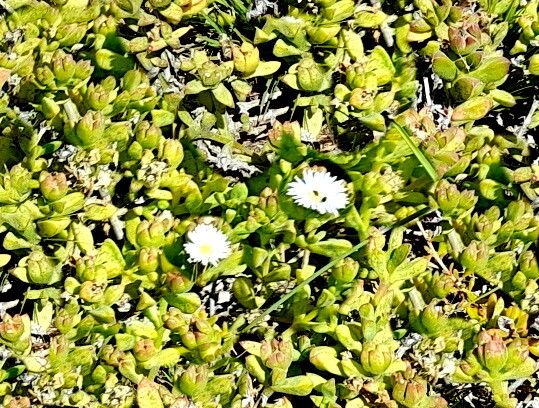
Oh, Delosperma saxicola! If you haven’t met this little gem yet, you’re in for a treat. Often called Ice Plant or Delosperma, this succulent groundcover absolutely drapes itself in the most delightful, jewel-toned daisy-like flowers. They’re like little bursts of sunshine in the garden, and honestly, they make even the most mundane corner feel special. I’ve been growing them for years, and getting more of them to share with friends or just fill out a larger patch is incredibly satisfying. And the best part? Propagating Delosperma saxicola is generally a very rewarding and surprisingly easy process, even for those just dipping their toes into the wonderful world of plant propagation.
The Best Time to Start
When you’re looking to get new Delosperma saxicola plants, spring and early summer are your prime time. This is when the plant is actively growing and has plenty of energy to dedicate to rooting. You’re essentially taking pieces that are already keen to grow, so they’ll respond wonderfully. Avoid trying to propagate during the plant’s dormant period; you’ll just be fighting against it!
Supplies You’ll Need
Here’s what I usually have on hand when I’m ready to propagate:
- Sharp, clean pruning shears or a sharp knife: For making clean cuts.
- A well-draining potting mix: A cactus/succulent mix works perfectly, or you can make your own by blending potting soil with perlite or coarse sand.
- Small pots or seed trays: Enough to hold your cuttings. Make sure they have drainage holes!
- Rooting hormone (optional but helpful): A powdered hormone can give those cuttings a little boost.
- A spray bottle: For misting.
- Labels: So you don’t forget what you planted where!
- A bright location with indirect sunlight: For your cuttings to get started.
- A tray or saucer: To catch any excess water.
Propagation Methods
Delosperma saxicola is wonderfully versatile. Here are a couple of my favorite ways to get new plants:
Stem Cuttings – My Go-To Method
This is usually the quickest and most reliable way to get a good number of new plants.
- Take Your Cuttings: In spring or early summer, using your sharp pruning shears or knife, snip off healthy stem sections that are about 3-6 inches long. Look for stems that are relatively firm, not too leggy, and ideally without any flowers or developing buds (the plant can focus its energy on rooting instead).
- Prepare the Cuttings: Gently remove any leaves from the bottom 1-2 inches of the stem. This prevents leaves from rotting when they’re in the soil. You can let these cuttings air dry for a day or two in a well-ventilated spot. This helps the cut end callus over, reducing the risk of rot.
- Apply Rooting Hormone (Optional): If you’re using it, dip the callused end of each cutting into the rooting hormone powder. Tap off any excess.
- Plant Your Cuttings: Fill your small pots with your well-draining potting mix. Make a small hole in the center of the soil with your finger or a pencil.
- Insert and Firm: Insert the cutting into the hole, making sure the prepared stem is buried. Gently firm the soil around the base of the cutting to ensure good contact.
- Water Lightly: Water the soil very lightly. You want it to be moist, not soggy. A gentle misting from your spray bottle is often enough.
Water Propagation – A Visual Treat
This method is fun because you can watch the roots develop!
- Prepare Cuttings: Follow steps 1 and 2 from the stem cutting method, but don’t let them dry out as long. You can skip the rooting hormone here.
- Place in Water: Fill small jars or glasses with clean water. Place 1-3 cuttings in each container, making sure no leaves are submerged in the water. If they are, trim them off.
- Find a Spot: Put the containers in a bright location with indirect light.
- Change Water Regularly: Change the water every few days to keep it fresh and prevent any bacterial growth.
- Watch for Roots: You should start to see tiny roots appearing from the nodes on the stem within a couple of weeks.
- Pot Up: Once the roots are about an inch long, it’s time to carefully transplant them into pots filled with your well-draining potting mix. Treat them as you would the stem cuttings.
The “Secret Sauce” (Pro Tips)
Here are a couple of things I’ve learned over the years that really make a difference:
- Don’t Overwater! This is the biggest killer of succulent cuttings. Drenching the soil is a fast track to rot. I always err on the side of caution. If in doubt, wait another day to water.
- Gentle Bottom Heat (If You Have It): While not essential, placing your pots on a gentle heat mat designed for propagation can significantly speed up root development. It mimics the warmth of spring soil and really encourages those roots to stretch out. Just a mild warmth is all you need, not hot!
Aftercare & Troubleshooting
Once your cuttings have started to grow roots – you might see new growth or feel a gentle tug when you lightly pull on a cutting – it’s time to give them a little more attention.
- Watering: Start watering them more regularly, but always allow the soil to dry out between waterings. You’ll get a feel for it. They’re still succulents, so they prefer to be on the drier side.
- Light: Gradually move them into brighter light, but avoid direct, scorching sun when they’re still establishing.
- Fertilizing: You won’t need to fertilize for several months. Once they’re settled and growing, a very diluted succulent fertilizer can be used during their active growing season.
Common Signs of Failure: The most frequent issue is rot. If your cuttings turn mushy, black, or smell foul, it’s a sign of too much moisture and not enough air circulation. Unfortunately, it’s often too late to save them. You can try to salvage any healthy-looking upper portions, but prevention is key! If they just seem to shrivel and dry out, they might be too dry, or the conditions aren’t right.
A Encouraging Closing
So there you have it! Propagating Delosperma saxicola is a delightful way to multiply your garden’s beauty. Be patient with your little cuttings; they’re working hard! Enjoy watching them take root and grow into their own vibrant little plants. Happy propagating!
Resource:
https://identify.plantnet.org/k-world-flora/species/Delosperma%20saxicola%20Lavis/data