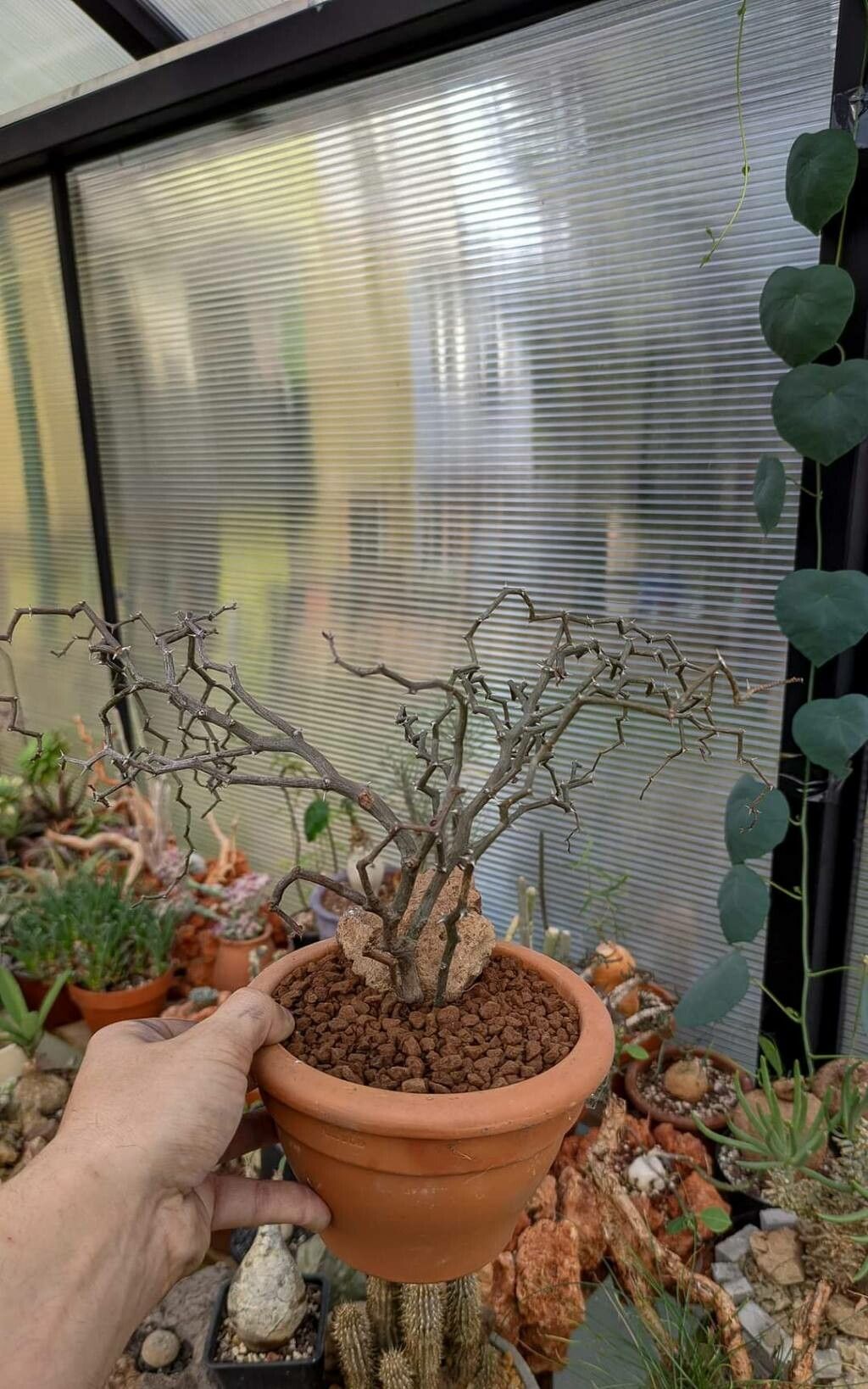
Oh, hello there! Pull up a chair, let’s chat about one of my very favorite green treasures: Decarya madagascariensis. If you’ve ever seen this fascinating succulent, with its quirky, almost architectural growth and those vibrant, lime-green leaves, you’ll understand why I’m so smitten. It’s got this wonderfully wild yet elegant vibe that just begs to be shared.
That’s where propagation comes in! Growing new plants from your existing beauties is one of the most satisfying parts of gardening for me. It’s like magic, watching a tiny piece of a plant transform into a whole new life. Now, while Decarya madagascariensis might look a bit exotic, propagating it is actually quite approachable, even for those of you who are just starting to get your hands dirty. Don’t be intimidated; a little patience and a few key steps will see you through!
The Best Time to Start
For the best results, I always find that spring and early summer are your golden ticket. This is when the plant is actively growing and has plenty of energy to put into rooting. You’re looking for healthy, mature stems that aren’t too soft or succulent, but also not woody. Think of it as taking cuttings from a plant that’s just hitting its stride, not when it’s sleepy or stressed.
Supplies You’ll Need
To get your propagation station set up, here’s what I’d recommend:
- Sharp, clean pruning shears or a sharp knife: For making those crucial, clean cuts. Disinfect them with rubbing alcohol between uses!
- A well-draining potting mix: I like to use a blend of cactus/succulent soil mixed with perlite or pumice. About a 50/50 ratio usually works beautifully.
- Small pots or trays: Terracotta pots are great because they allow the soil to breathe.
- Rooting hormone (optional but helpful): This is a powder or gel that encourages faster and stronger root development.
- A watering can with a fine rose: For gentle watering.
- Clear plastic bags or a propagator lid: To create a humid environment.
- A small trowel or dibber: To make holes for your cuttings.
Propagation Methods
The easiest and most successful way I’ve found to propagate Decarya madagascariensis is through stem cuttings. It’s straightforward and yields great results.
- Take Your Cuttings: Using your clean shears or knife, select a healthy stem approximately 4-6 inches long. Make a clean cut just below a leaf node (where the leaves attach to the stem). Remove any lower leaves that might end up below the soil line.
- Let Them Callus: This is an important step! Let the cut ends of your cuttings dry and form a callus for a day or two. You can do this by leaving them in a dry, shaded spot. This helps prevent rot when you plant them.
- Apply Rooting Hormone (Optional): If you’re using rooting hormone, dip the callused end of the cutting into the powder or gel. Tap off any excess.
- Plant Your Cuttings: Fill your small pots with your prepared well-draining soil. Make a small hole with your trowel or finger, just deep enough for the cut end of the stem. Gently insert the cutting into the hole, firming the soil around it.
- Water Lightly and Cover: Give your new cuttings a very light watering. Then, cover the pots with a clear plastic bag or place them under a propagator lid to create a mini-greenhouse. This traps humidity, which is essential for root formation.
The “Secret Sauce”
Here are a couple of tricks I’ve learned over the years that really boost success:
- Bottom Heat is Your Friend: If you have a heated propagator mat, placing your pots on it can significantly speed up rooting. It mimics the warmth of spring soil and encourages those roots to get going. If you don’t have a mat, just find a warm, bright spot away from direct sunlight.
- Don’t Drown Your Babies: When you water, err on the side of caution. You want the soil to be moist, not soggy. Overwatering is the quickest way to invite rot, especially in those early stages. I like to check the soil moisture by gently poking my finger in about an inch down.
Aftercare & Troubleshooting
Once your cuttings are planted and covered, find them a bright spot with indirect sunlight. Avoid anything too harsh. You’ll want to check the soil moisture every few days, watering very lightly when the top inch feels dry.
You’ll know your cuttings are rooting when you see new growth starting to emerge from the top or sides. This can take anywhere from 4 to 8 weeks, sometimes longer, so be patient! Gently tugging on a cutting will also provide resistance if roots have formed.
The most common problem you might encounter is rot. If you see your cutting turning mushy, black, or smelling sour, it’s likely rotting. This usually means too much moisture. Unfortunately, a rotting cutting is usually a lost cause, so it’s best to discard it and try again, focusing on that lighter watering routine.
A Warm Encouragement
Don’t get discouraged if your first few attempts aren’t perfect. Gardening is all about learning and observing. Propagating Decarya madagascariensis is a wonderfully rewarding journey. So, get your hands dirty, pay attention to what your little cuttings are telling you, and most importantly, enjoy the process of bringing new life into your home. Happy propagating!
Resource:
https://identify.plantnet.org/k-world-flora/species/Decarya%20madagascariensis%20Choux/data