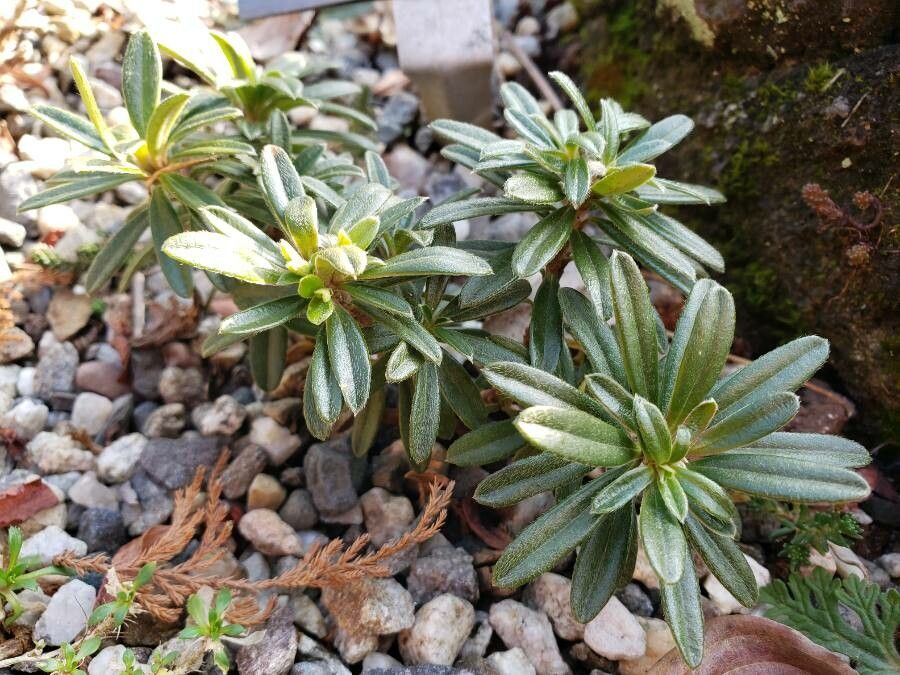
Hello there, fellow garden enthusiasts! Today, we’re diving into the delightful world of Daphne arbuscula. If you’ve ever been captivated by its cluster of fragrant, rose-pink flowers that often appear in late winter or early spring, you’re not alone. It’s truly a gem in the garden, offering a welcome splash of color when most of us are still dreaming of green.
Propagating Daphne arbuscula might sound a little tricky, and I’ll be honest, it’s not quite as straightforward as snipping a bit off a succulent. It requires a bit of patience and the right conditions. But trust me, that feeling when you see your own little Daphne seedling thriving? Absolutely priceless. It’s a rewarding journey, and with a few pointers, you’ll be well on your way.
The Best Time to Start
For Daphne arbuscula, the sweet spot for taking cuttings is late spring to early summer. This is when the plant is actively growing, and the stems have started to harden off a bit – what we horticulturists call “semi-ripe” cuttings. New growth is still supple enough to root, but it’s not so soft that it will easily rot. Trying to propagate from very soft, brand-new growth, or from old, woody stems, is usually less successful.
Supplies You’ll Need
Before we get our hands dirty, let’s make sure we have everything ready. This will make the whole process smoother!
- Sharp, clean pruning shears or a sharp knife: Crucial for making clean cuts.
- Rooting hormone: A good quality powdered or gel rooting hormone is a must. It really gives those cuttings a boost.
- A light, well-draining potting mix: I like a blend of equal parts peat moss or coco coir and perlite or coarse sand. Some growers add a bit of horticultural charcoal to help prevent fungal issues. Avoid heavy garden soil.
- Small pots or seed trays: With drainage holes, of course!
- A plastic bag or propagator lid: To create a humid environment.
- Dibber or small stick: For making holes in the soil for your cuttings.
- Watering can with a fine rose: For gentle watering.
Propagation Methods
The most reliable way to propagate Daphne arbuscula is through stem cuttings. Division is generally not recommended for this particular Daphne, as they don’t typically form large enough clumps to divide easily, and you risk damaging the parent plant.
Stem Cuttings
- Gather your cuttings: In late spring or early summer, select healthy, non-flowering shoots from your mature Daphne. Look for stems that are about 4-6 inches long and have started to develop a slightly woody texture, but are still somewhat flexible.
- Make the cut: Using your sharp shears or knife, make a clean cut just below a leaf node (where a leaf attaches to the stem). This is where the magic of rooting often happens.
- Prepare the cutting: Gently remove the leaves from the bottom half of the cutting. You want to expose a few nodes. If the cutting has any flower buds, pinch them off. These will take energy away from root development.
- Apply rooting hormone: Dip the cut end of the stem into your rooting hormone. Tap off any excess. Be sure to cover those bottom nodes thoroughly.
- Plant the cuttings: Fill your pots or trays with your prepared potting mix. Make a hole in the center of the mix using your dibber or stick. Place the cutting into the hole, ensuring the hormone-coated nodes are below the soil surface. Gently firm the soil around the cutting.
- Water gently: Water the pots thoroughly but gently, allowing excess water to drain away.
- Create humidity: Cover the pots with a plastic bag or propagator lid. This will create a mini-greenhouse effect, keeping humidity high, which is vital for cuttings. Make sure the plastic isn’t touching the leaves of the cuttings; you can use small stakes or twigs to prop it up if needed.
- Placement: Place the covered pots in a bright location, but out of direct, scorching sunlight. A greenhouse, a bright windowsill, or a sheltered spot outdoors would be ideal.
The “Secret Sauce” (Pro Tips)
Here are a few little tricks I’ve learned over the years that can make a real difference:
- Bottom Heat is Your Friend: Daphne cuttings absolutely love a bit of warmth from below. If you have a heated propagator or can place your pots on a heat mat, you’ll find root development happens much faster and more reliably. That gentle warmth encourages cell division at the cut end.
- Keep it Clean, Keep it Moist (But Not Soggy!): Fungal diseases are the enemy of cuttings. Ensure your pots, tools, and soil are clean. Watering is a delicate balance – you want the soil to be consistently moist, but never waterlogged. If you see condensation building up heavily inside the plastic, you might need to air it out for a few minutes each day to prevent mold.
- Don’t Disturb Too Soon: Resist the urge to tug on the cuttings to see if they have rooted. You’ll know they’re ready when you see new leaf growth starting to emerge from the top. This can take anywhere from 6 to 12 weeks, sometimes longer. Patience is key!
Aftercare & Troubleshooting
Once you see that beautiful new growth, it means roots are forming!
- Gradual Acclimation: Slowly begin to acclimate your new plant to normal room conditions by gradually lifting the plastic cover for longer periods over a week or two.
- Potting Up: Once the roots have filled the pot, or you see them emerging from the drainage holes, it’s time to pot them into slightly larger individual pots. Continue to use a well-draining mix.
- Watering: Water your new Daphnes when the top inch of soil feels dry. They dislike sitting in wet soil, so good drainage is paramount.
- Troubleshooting: The most common problem you’ll face is rot. This usually happens due to overwatering or poor air circulation. If a cutting turns black and mushy, it’s best to discard it and try again, perhaps with better drainage or less frequent watering. Yellowing leaves can sometimes indicate too much or too little water, or it might just be the plant acclimating. Patience and observation are your best tools here.
So there you have it! Propagating Daphne arbuscula is a journey that rewards the patient gardener. Don’t be discouraged if your first few attempts don’t quite take. Every gardener has had their share of failures – it’s all part of the learning process. Keep trying, enjoy the quiet time spent with your plants, and soon you’ll be sharing your own beautiful Daphnes with friends. Happy gardening!
Resource:
https://identify.plantnet.org/k-world-flora/species/Daphne%20arbuscula%20Čelak./data