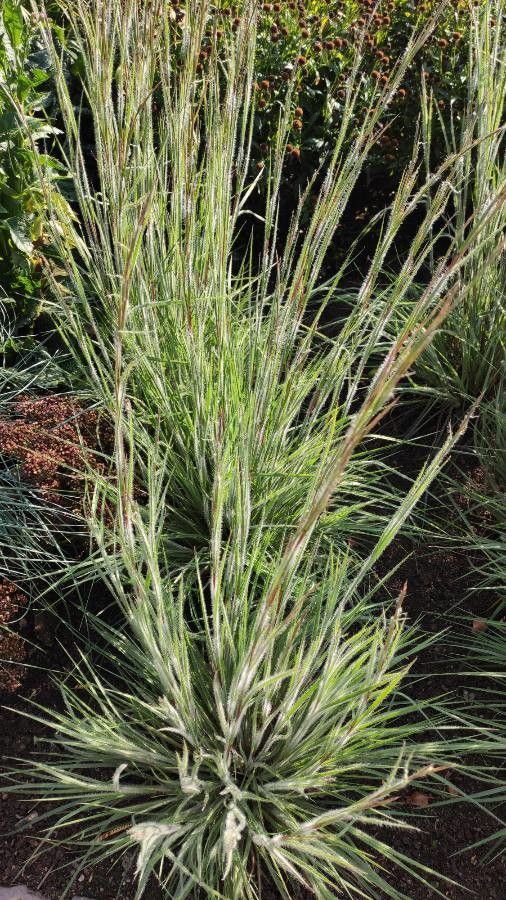
Hello, fellow plant enthusiasts! Today, we’re diving into the wonderful world of propagating Danthonia unispicata, often called One-spike Oat Grass. This beautiful bunchgrass brings such a lovely texture to the garden, with its delicate, arching leaves and charming single-spiked flower heads that catch the light just so. If you love the soft, airy look it adds, you’ll be thrilled to know it’s quite achievable to grow more of this beauty yourself! For beginners, I’d say Danthonia unispicata is a moderately easy plant to propagate, making it a rewarding project without too much fuss.
The Best Time to Start
The prime time for propagating Danthonia unispicata is in the late spring to early summer. This is when the plant is really hitting its stride, actively growing, and has plenty of energy to put into forming new roots. You want to work with healthy, vigorous material. If you’re dividing a mature clump, the same timing applies – when growth is back in full swing after winter.
Supplies You’ll Need
To get started with your Danthonia unispicata propagation, gather these essentials:
- Sharp, clean pruning shears or a sharp knife: For making clean cuts.
- Well-draining potting mix: A good blend of potting soil, perlite, and coarse sand works wonders.
- Small pots or trays: With drainage holes, of course!
- Rooting hormone (optional but helpful): A powder or gel can give your cuttings a little boost.
- Watering can with a fine spray nozzle: To avoid disturbing young roots.
- Labels and a marker: To keep track of your new plant babies.
Propagation Methods
Danthonia unispicata is most successfully propagated through division. This is essentially splitting a mature plant into smaller, independent units, each capable of growing into a new plant.
Division: Step-by-Step
- Prepare your tools: Make sure your shears are clean to prevent disease.
- Gently excavate the parent plant: If the plant is in the ground, carefully dig around the base and lift the entire clump. If it’s in a pot, loosen the soil from the sides and gently slide it out.
- Loosen the root ball: You might need to rinse some soil away from the roots to see where the natural divisions are.
- Identify natural breaks: Look for sections of the plant that are already showing signs of separation, with their own roots and shoots.
- Make the cuts: Using your clean shears or knife, carefully divide the clump into smaller sections. Aim for sections with at least a few shoots and a good amount of root. Don’t be afraid to be firm but precise. Sometimes, you can even tease the roots apart by hand if they are loose enough.
- Pot up the divisions: Plant each division into its own small pot filled with your well-draining potting mix. Ensure the crown of the plant (where the leaves emerge from the roots) is at soil level.
- Water thoroughly: Water gently but deeply to settle the soil around the roots.
The “Secret Sauce” (Pro Tips)
Now, here are a couple of my tried-and-true tips for getting your Danthonia unispicata divisions off to the best start:
- Don’t overwater the divisions immediately. While they need moisture, letting them sit in soggy soil after division can lead to rot. Water well at first, then let the top inch of soil dry out between waterings. They’re grasses, remember, they like good drainage!
- Provide a little shade for a week or two. Newly divided plants are a bit stressed. Placing them in a spot with bright, indirect light instead of harsh direct sun for a little while will help them recover and focus on root development.
Aftercare & Troubleshooting
Once your Danthonia unispicata divisions are potted up, keep them in a bright spot, out of direct midday sun. Water them when the top inch of soil feels dry. You’ll know they’re happy when you start to see new green shoots emerging from the base of the plant.
The most common issue you might encounter is rot, usually due to overwatering or poor drainage. If you see your new growth turning mushy and brown, or if the soil stays wet for too long, you’ll need to act fast. Try to dry out the soil, and if rot has set in, you might need to remove the affected parts. Another sign of distress could be wilting that doesn’t recover after watering – this often indicates poor root development or that the division was too small to sustain itself.
A Encouraging Closing
Propagating plants is a journey, and with Danthonia unispicata, it’s a beautiful one. Be patient as your new divisions settle in, and celebrate every new shoot you see. Enjoy the process of nurturing these grasses and expanding your garden tapestry!
Resource: