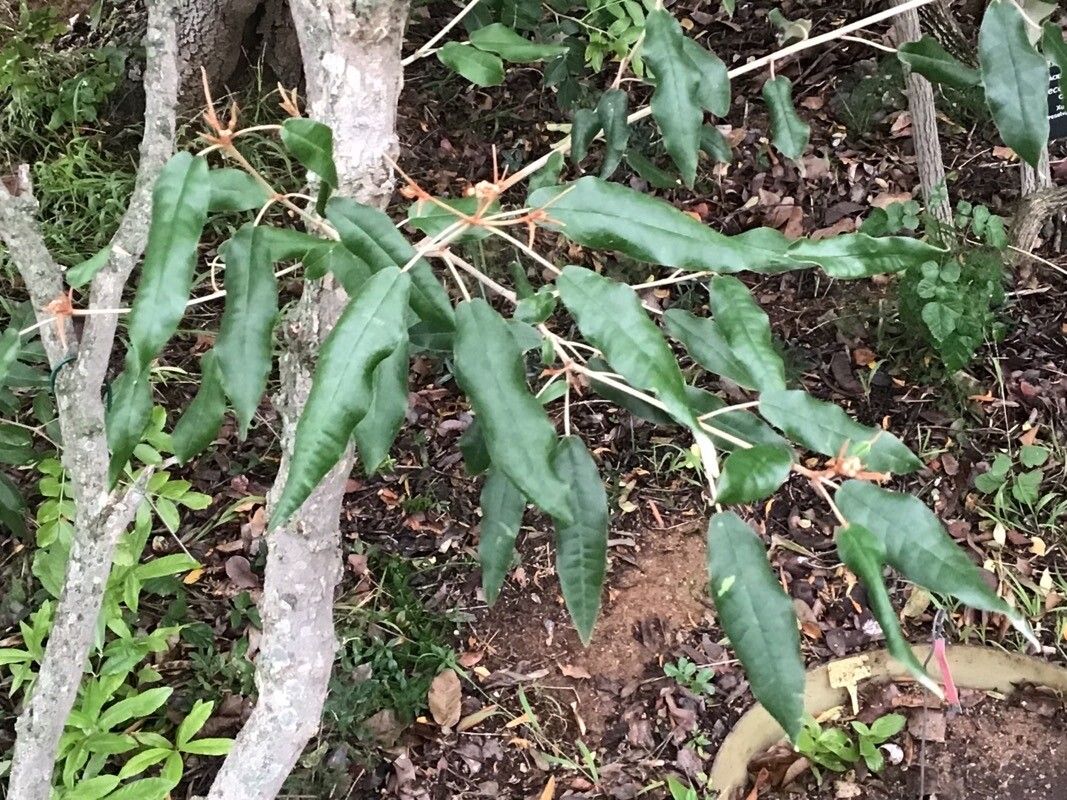
Oh, hello there! Grab a mug, let’s chat about Croton gratissimus. If you’ve ever admired those gorgeous, colorful leaves, often a vibrant mix of green, yellow, and sometimes even red or orange, you know what a stunner this plant is. Bringing a little piece of that brilliance into your own home by propagating it yourself? That’s pure garden joy, my friends.
Now, I won’t lie, Crotons can be a tad on the fussy side. For absolute beginners, they might present a little challenge. But don’t let that scare you off! With a little patience and the right approach, you’ll be well on your way to success. The reward of watching a tiny cutting transform into a thriving new plant is truly something special.
The Best Time to Start
For Crotons, spring and early summer are your golden ticket. This is when the plant is actively growing, meaning it’s full of energy and ready to put out roots. You’ll find that cuttings taken during this active growth period tend to root much more reliably and quickly than those taken when the plant is dormant. Look for stems that are firm but not overly woody.
Supplies You’ll Need
To give your Croton cuttings the best start, gather these essentials:
- Sharp Pruning Shears or a Knife: Cleanliness is key to prevent disease.
- Rooting Hormone: This isn’t strictly mandatory, but it really boosts your success rate, especially for trickier plants.
- Small Pots or Seed Trays: Something to house your cuttings as they root.
- Well-Draining Potting Mix: A good blend for me is a mix of peat moss or coco coir, perlite, and a bit of compost. You could also use a commercial seed-starting mix.
- Clear Plastic Bag or Dome: To create a humid environment for your cuttings.
- Water: For watering and, if you choose, for water propagation.
- Small Pebbles or Perlite (optional): For the water propagation method.
Propagation Methods
Let’s get our hands dirty! Here are a couple of tried-and-true ways to propagate Croton gratissimus:
Stem Cuttings
This is my go-to method for Crotons.
- Take Cuttings: Using your sharp, clean shears, select a healthy stem from a mature plant. Aim for cuttings that are about 4-6 inches long. You want to include a few sets of leaves. Make your cut just below a leaf node (where a leaf attaches to the stem).
- Remove Lower Leaves: Strip off the leaves from the bottom half of the cutting. This prevents them from rotting when you plant it and encourages energy to go towards root development.
- Apply Rooting Hormone: Dip the cut end into your rooting hormone, tapping off any excess.
- Pot Them Up: Fill your small pots with your moistened potting mix. Make a hole in the center with your finger or a pencil and gently insert the cutting, ensuring the node where you removed the leaves is below the soil surface. Firm the soil around the stem.
- Create a Humid Environment: Water the soil lightly. Then, cover the pot with a clear plastic bag or place it in a propagator. This traps moisture and mimics the high humidity the cutting needs. You can prop up the bag with a few sticks so it doesn’t touch the leaves.
Water Propagation
If you prefer to watch the roots grow, this is a lovely option.
- Prepare Your Cuttings: Follow steps 1 and 2 from the stem cutting method.
- Place in Water: Fill a clear glass or jar with water. Submerge the bottom 1-2 inches of the cutting in the water, making sure no leaves are touching the water. This is crucial to prevent rot. You can use small pebbles or perlite to help prop up the cuttings if needed.
- Location, Location, Location: Place your jars in a warm spot with bright, indirect light.
- Change the Water: Change the water every few days to keep it fresh and oxygenated.
The “Secret Sauce” (Pro Tips)
Here are a few little tricks I’ve picked up over the years that can make a big difference:
- Bottom Heat is Your Friend: Crotons, like many tropical plants, absolutely love a bit of warmth from below. If you have a heat mat, placing your pots on it can dramatically speed up root formation. It truly acts like a secret acceleration button!
- Don’t Crowd Your Cuttings: If you’re potting multiple cuttings in one pot, give them a little breathing room. Overcrowding can lead to poor air circulation and increase the risk of fungal issues.
- Patience with Leaf Drop: It’s not uncommon for a cutting to drop a few of its lower leaves once you’ve potted it. Don’t panic! This is just the plant shedding what it doesn’t need to conserve energy for root growth. As long as the stem stays firm and doesn’t turn mushy or black, it’s likely still working on its roots.
Aftercare & Troubleshooting
Once you see new roots forming (you might see them peeking out the drainage holes of your pot or by gently teasing the cutting out of the soil in the water propagation method), it’s time for a slight shift in care.
- For Potted Cuttings: Keep the soil consistently moist but not waterlogged. Gradually remove the plastic bag or dome over a week or so to acclimate your new plant to normal humidity levels. Once you have a good root system, you can transplant it into a slightly larger pot with fresh potting mix.
- For Water-Rooted Cuttings: When the roots are about an inch long, it’s time to pot them up into soil. Treat them gently, as the new roots are delicate. Water them in well and continue to provide that humid environment initially.
The most common sign of trouble is rot. If the stem turns mushy, black, or slimy, it’s a sign that the cutting is rotting. This is usually due to overwatering, poor drainage, or lack of air circulation. Unfortunately, a rotted cutting can’t be saved.
A Little Note of Encouragement
Propagating plants is a dance with nature, and it’s rarely a perfectly linear process. Some cuttings will take off like little rockets, while others might take their sweet time, or sadly, not make it at all. Don’t get discouraged if your first attempt isn’t a roaring success. Each time you try, you learn a little more. Be patient, enjoy the process of nurturing something new, and celebrate every little sign of life. Happy propagating!
Resource:
https://identify.plantnet.org/k-world-flora/species/Croton%20gratissimus%20Burch./data