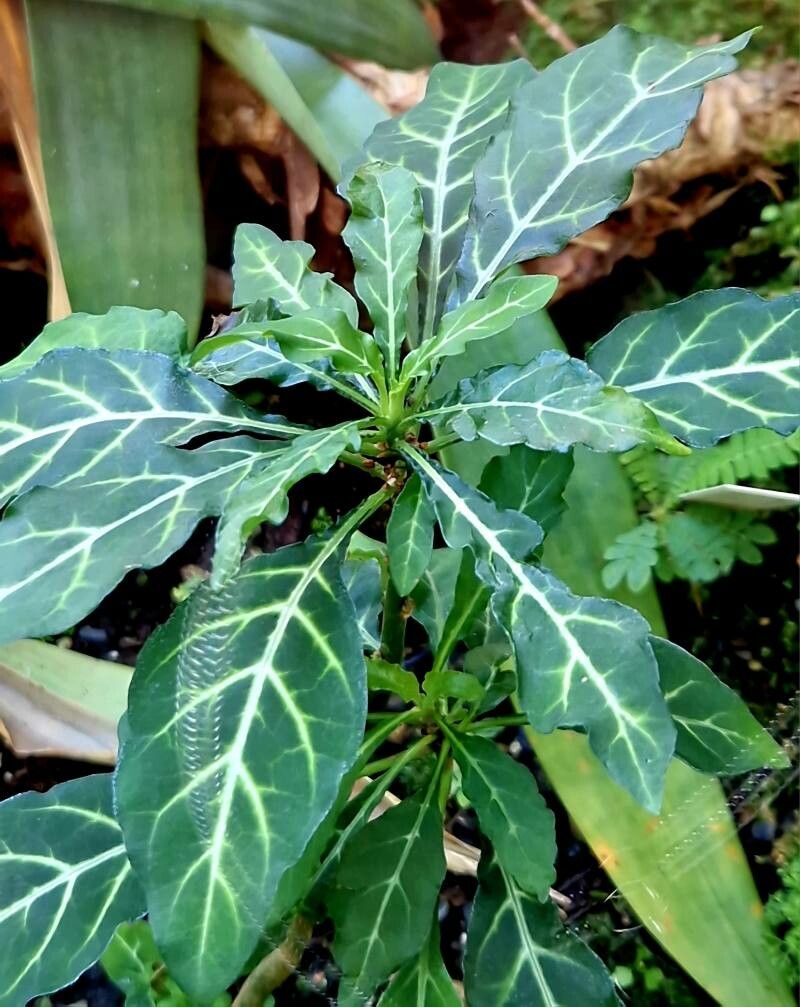
Hey there, fellow plant lovers! Today, we’re diving into the delightful world of Crossandra, or as many of us affectionately call it, the Firecracker plant. If you’ve ever seen those vibrant, tiered blooms in shades of fiery orange and apricot, you know it’s a showstopper. Growing them from scratch is not only incredibly satisfying, but it’s also a wonderful way to share that beauty with friends or simply expand your own collection. Now, I won’t lie – while Crossandra isn’t the most challenging plant to propagate, it does require a little attention to detail. But don’t let that deter you! With a bit of patience and these tips, you’ll be well on your way.
The Best Time to Start
For the highest chance of success, start propagating your Crossandra in the spring or early summer. This is when the plant is actively growing and has plenty of energy to put into developing new roots. Aim for healthy, new growth – that’s where the magic happens.
Supplies You’ll Need
Here’s what you’ll want to have on hand before you get started:
- Sharp pruning shears or a clean knife: For making precise cuts.
- Well-draining potting mix: A good blend of peat moss, perlite, and vermiculite works wonders. You can also buy a special seed-starting or propagation mix.
- Small pots or seed trays: With drainage holes, of course!
- Rooting hormone (optional but recommended): This gives your cuttings a little boost.
- Plastic bags or a propagation dome: To create a humid environment.
- Watering can with a fine rose or spray bottle: For gentle watering.
- Small pebbles or perlite (optional): For top dressing.
Propagation Methods
Crossandra propagates quite well from stem cuttings. It’s my go-to method for this plant.
Stem Cuttings:
- Take a cutting: Find a healthy stem that’s about 4-6 inches long. Make a clean cut just below a leaf node (where a leaf attaches to the stem). Remove the lower leaves, leaving just two or three at the top.
- Apply rooting hormone: If you’re using rooting hormone, dip the cut end into it. Tap off any excess.
- Plant your cutting: Fill your small pot with the propagation mix. Make a small hole with your finger or a pencil and gently insert the cutting. Firm the soil around it so it stands upright.
- Water gently: Water the soil thoroughly until it’s moist but not waterlogged.
- Create humidity: Cover the pot with a plastic bag, securing it loosely around the rim, or place it under a propagation dome. This traps moisture, which is crucial for cuttings.
- Provide warmth and light: Place the pot in a warm spot with bright, indirect light. A heat mat can significantly speed up the rooting process.
- Be patient: Check on your cuttings every few days. Keep the soil consistently moist by misting or watering lightly. You should see signs of new growth within 4-6 weeks.
The “Secret Sauce” (Pro Tips)
Here are a few things I’ve learned over the years that can make a real difference:
- Don’t let those leaves touch the water if you’re water propagating! If you opt for water propagation (which can work for Crossandra, but I find stem cuttings in soil more reliable), make sure that no leaves are submerged. Rot can set in quickly if they are.
- Bottom heat is your best friend. Seriously, a warming mat under your pots makes cuttings think it’s spring and encourages them to push out roots much faster. It’s a game-changer for many tropical plants.
- A gentle mist is key, not a flood. When you’re misting your cuttings under the plastic, do it lightly. You want to maintain humidity without creating a soggy environment, which can lead to fungal issues.
Aftercare & Troubleshooting
Once you see new leaves emerging and feel a gentle tug when you lightly pull on the cutting, your Crossandra has rooted!
- Acclimate gradually: Slowly introduce your new plant to normal room conditions. If it was covered, gradually open the plastic bag over a few days before removing it entirely.
- Potting up: Once it has a good root system and is growing actively, you can transplant it into a slightly larger pot with regular potting mix.
- Watch for rot: The most common issue is rot, often indicated by yellowing leaves, mushy stems, or a foul smell. If you see this, remove the affected parts immediately and allow the soil to dry out a bit more. Ensure your potting mix is free-draining.
A Encouraging Closing
Propagating Crossandra takes a bit of care, but watching those tiny new plants grow is an experience like no other. Don’t be discouraged if your first attempt isn’t perfect. Gardening is all about learning and trying again. Enjoy the process, and soon you’ll have a cheerful explosion of Firecracker blooms to brighten your home! Happy gardening!
Resource:
https://identify.plantnet.org/k-world-flora/species/Crossandra%20flava%20Hook./data