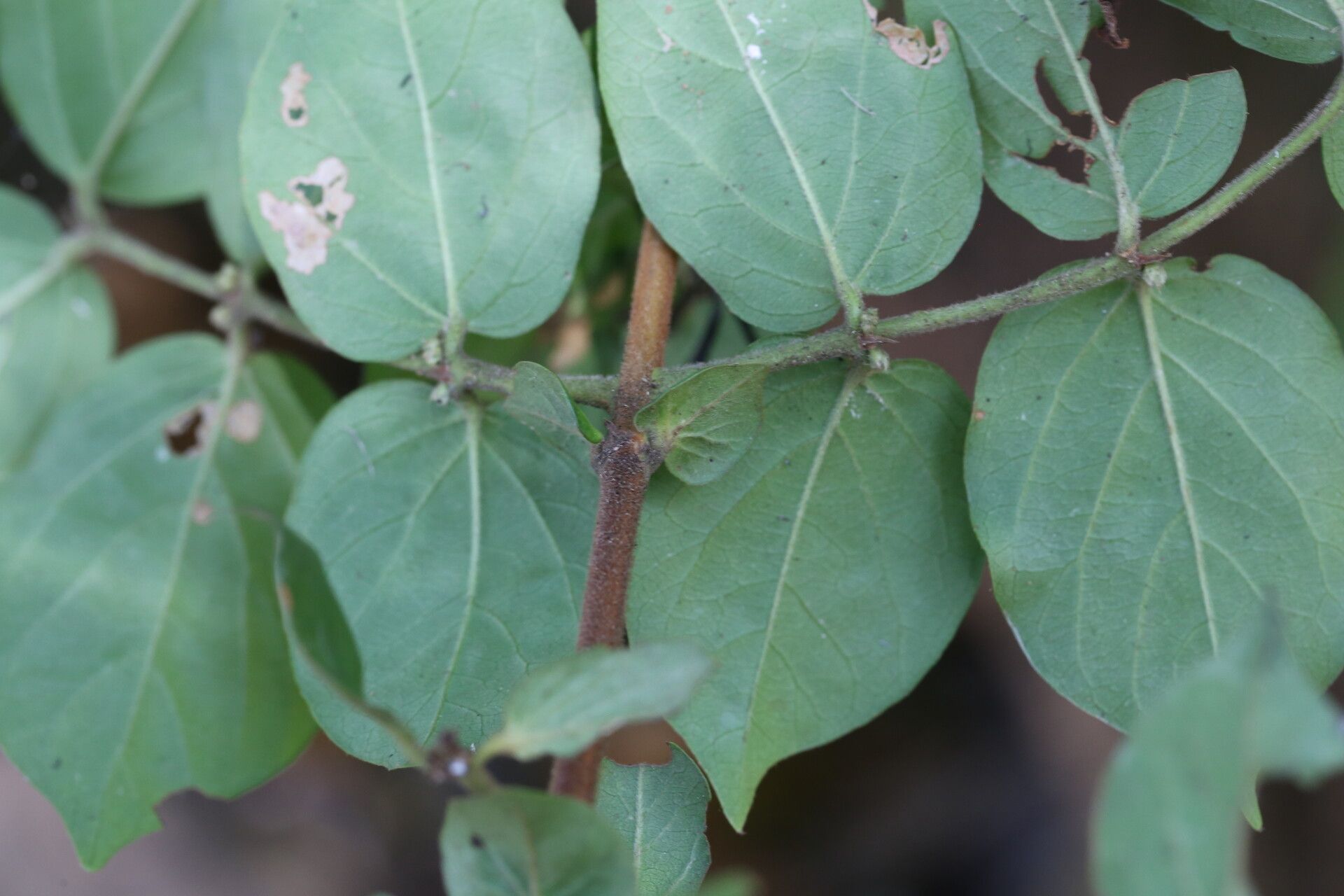
Welcome, fellow plant lovers! I’m so excited to chat with you today about one of my personal favorites: Cremaspora triflora. If you’re looking for a plant that brings a touch of the tropics with its lovely, often fragrant, blooms and glossy leaves, you’ve found it. And the best part? Sharing this beauty is surprisingly achievable!
Propagating Cremaspora triflora is a wonderfully rewarding endeavor. It’s a fantastic way to expand your collection, share with friends, or simply enjoy the magic of watching a new life emerge. For beginners, I’d say it falls into the “moderately easy” category. A little care and attention, and you’ll be well on your way to success.
The Best Time to Start
Timing is everything in the garden, isn’t it? For Cremaspora triflora, the absolute best time to start propagating is during active growth periods. This usually means late spring through mid-summer. You want to work with healthy, vigorous stems that are actively producing new energy, not something stressed from drought or the chill of autumn.
Supplies You’ll Need
Gathering your tools beforehand makes the whole process so much smoother. Here’s what I recommend having on hand:
- Sharp pruning shears or a clean, sharp knife: For making clean cuts.
- A well-draining potting mix: I like to use a blend of equal parts peat moss, perlite, and a good quality potting soil for cuttings.
- Small pots or propagation trays: Clean ones are a must!
- Rooting hormone (optional but helpful): A powder or gel can give your cuttings a nice boost.
- Plastic bags or a propagation dome: To create a humid environment.
- Water: For watering and perhaps for water propagation.
- Labels and a marker: To keep track of what you’ve planted.
Propagation Methods
Cremaspora triflora is quite responsive to a couple of different propagation techniques. Let’s dive in!
Stem Cuttings
This is my go-to method for Cremaspora. It’s efficient and yields great results.
- Select your cutting: Look for healthy, semi-hardwood stems. These are stems that are starting to firm up but still have some flexibility. Avoid brand new, floppy growth or old, woody stems.
- Make the cut: Using your sharp shears or knife, take a cutting that’s about 4-6 inches long. Make the cut just below a leaf node (where a leaf attaches to the stem).
- Prepare the cutting: Gently remove the lower leaves from the cutting, leaving just one or two at the very top. This prevents them from rotting in the soil. If your leaves are quite large, you can even cut them in half horizontally to reduce water loss.
- Dip in rooting hormone (optional): If you’re using rooting hormone, dip the cut end of the stem into the hormone powder or gel. Tap off any excess.
- Plant the cutting: Fill your clean pots with your prepared potting mix. Make a small hole with your finger or a pencil and insert the cut end of the stem into the mix. Gently firm the soil around it.
- Water gently: Water thoroughly but don’t let the pot sit in standing water.
- Create humidity: Place the potted cutting inside a plastic bag or cover it with a propagation dome. You want to create a mini greenhouse effect. Make sure the leaves aren’t touching the plastic if possible.
Water Propagation
This method is a bit more visual and can be very satisfying to watch.
- Take your cutting: Follow steps 1-3 from the stem cutting method. You’ll also want cuttings that are about 4-6 inches long.
- Place in water: Fill a clean glass or jar with water. Submerge the leaf nodes where you removed the leaves. It’s crucial that the remaining leaves stay above the water line.
- Find a good spot: Place the jar in a bright spot with indirect light. You don’t want direct sun, as this can scorch the leaves.
- Change the water: Change the water every few days to keep it fresh and prevent rot.
The “Secret Sauce” (Pro Tips)
Here are a couple of things I’ve learned that make a real difference:
- Bottom Heat is Your Friend: Cremaspora, like many tropicals, loves warmth. If you have an unheated greenhouse or propagation area, consider placing your pots on a gentle heat mat. This mimics the warmth of the soil surface in their native habitat and really encourages root development. Just a few degrees above room temperature is usually perfect.
- Don’t Rush It: Patience is a virtue, especially with propagation. I’ve seen people try to tug on cuttings too soon. Wait until you see definite signs of new growth – tiny new leaves or visibly growing roots – before you try to transplant them. This usually takes several weeks, sometimes even a couple of months.
Aftercare & Troubleshooting
Once your cuttings have developed a good root system (you’ll see them through the pot for water propagation, or feel resistance when you gently tug on a soil cutting), it’s time for a little extra care.
- Transitioning: For stem cuttings, slowly acclimatize them to lower humidity before removing the plastic entirely. For water-propagated plants, let the roots grow to about an inch long before carefully transplanting them into a well-draining potting mix.
- Ongoing Care: Treat your new baby plants much like a mature Cremaspora, but be gentle. Use a diluted fertilizer once they’ve established themselves. Keep them consistently moist but not soggy.
- Troubleshooting: The most common issue you’ll face is rot. This usually happens when the environment is too wet and not humid enough (for cuttings) or simply too wet (for established plants). Brown, mushy stems are a clear sign of rot. If you spot this, unfortunately, that cutting is likely lost. Prevention is key: ensure good air circulation and don’t overwater! Another sign of trouble is a wilting cutting that doesn’t perk up after watering, which can indicate that the roots haven’t formed or have rotted.
A Little Encouragement
Embarking on a propagation journey is so rewarding. Don’t get discouraged if your first attempt isn’t perfect. Each seedling is a small victory, a testament to your nurturing hand. Enjoy the process of watching new life unfold. Happy propagating!
Resource:
https://identify.plantnet.org/k-world-flora/species/Cremaspora%20triflora%20(Thonn.)%20K.Schum./data