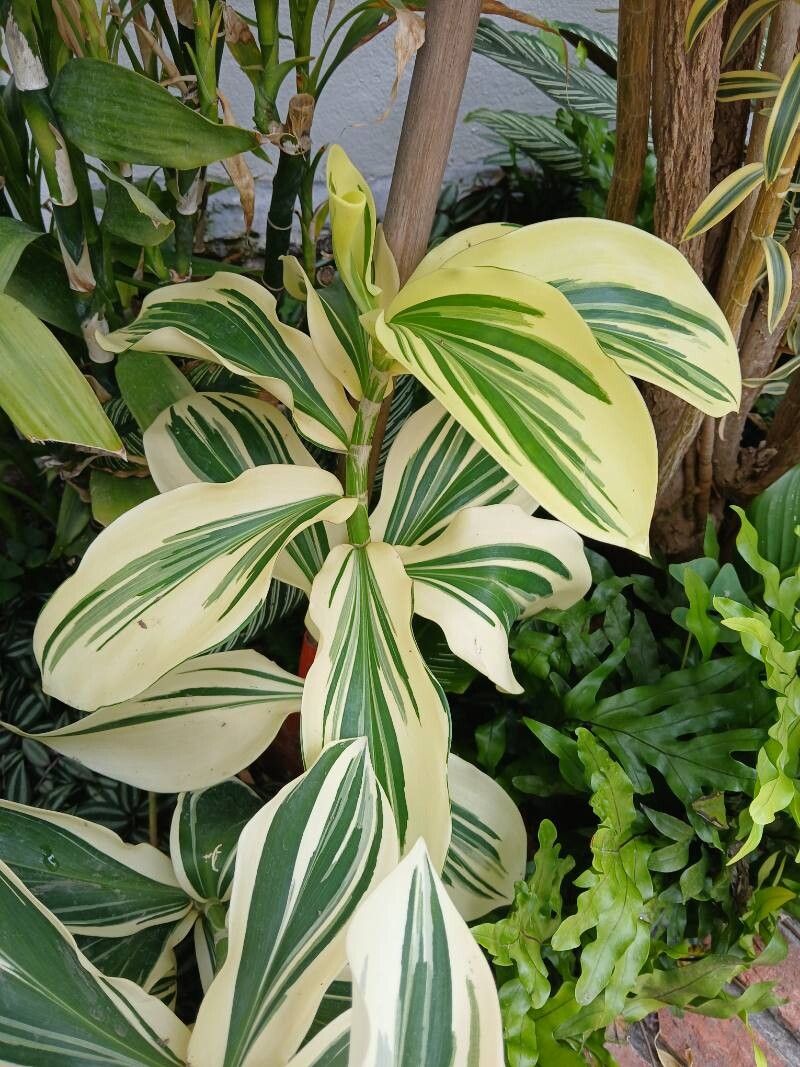
Hello fellow plant lovers! I’m so excited to dive into a topic that brings me so much joy: propagating Costus arabicus. If you’ve ever seen this stunner with its beautiful, glossy leaves and elegant white flowers, you know it’s a showstopper. And the best part? You can easily multiply this beauty right in your own home.
I find propagating Costus arabicus to be a truly rewarding experience, like giving the gift of growth. It’s also surprisingly beginner-friendly, which is always a bonus! Getting more of these gorgeous plants without having to buy them? That’s a win in my book.
The Best Time to Start
When it comes to Costus arabicus, spring and early summer are your best friends for propagation. This is when the plant is actively growing, meaning it has plenty of energy to put into developing new roots. Starting during its active growth phase significantly increases your chances of success. Don’t try this when the plant is dormant in the cooler months.
Supplies You’ll Need
To get started on your propagation journey, here’s what you should gather:
- Sharp pruning shears or a clean knife: For making clean cuts.
- Well-draining potting mix: A mix designed for houseplants or a blend of peat moss, perlite, and a touch of compost works wonderfully.
- Rooting hormone (optional but recommended): This can give your cuttings a little extra boost.
- Small pots or containers: For your new baby plants. Make sure they have drainage holes.
- Clear plastic bags or a propagation dome: To create a humid environment.
- Watering can or spray bottle: For gentle watering.
- A warm, bright spot: Away from direct, harsh sunlight.
Propagation Methods
Costus arabicus is a champion when it comes to propagation, and the easiest way to multiply it is through division. This means separating existing clumps into smaller ones.
Division Method:
- Gently remove the parent plant from its pot. It’s easiest to do this when the plant is slightly dry.
- Inspect the root ball. You’ll see multiple stems growing from the base.
- Carefully tease apart the root ball with your fingers or a clean trowel. Aim to separate sections that have both roots and at least one or two healthy stems. You can also use your clean knife or shears to cut through thicker, entangled roots if needed.
- Repot the divisions into their own containers filled with your well-draining potting mix. Water them in gently.
- Place the newly potted divisions in a warm spot with bright, indirect light. Keep the soil consistently moist but not waterlogged.
While division is the most common and straightforward method for Costus arabicus, you might also experiment with stem cuttings, though it can be a bit more finicky.
Stem Cuttings Method:
- Select a healthy stem from your Costus arabicus.
- Make a clean cut just below a leaf node (where a leaf attaches to the stem) using your sharp shears or knife. Aim for a cutting that’s about 4-6 inches long.
- Remove the lower leaves, leaving just a few at the top.
- Dip the cut end into rooting hormone, if you’re using it. Tap off any excess.
- Plant the cutting about 1-2 inches deep into your well-draining potting mix.
- Water gently and cover the entire pot with a clear plastic bag or place it under a propagation dome to create a humid microclimate.
- Place in bright, indirect light and keep the soil moist. You can also try rooting these in a glass of water, but ensure no leaves touch the water as this can lead to rot. Once roots are a couple of inches long, carefully transplant them to soil.
The “Secret Sauce” (Pro Tips)
Here are a couple of things I’ve learned over the years that really make a difference:
- Don’t be afraid to get in there: When dividing, use your hands to gently tease apart the roots. If you need to cut, make sure your tools are sparkling clean to prevent disease.
- Bottom heat is your friend: If you’re struggling with stem cuttings, using a seedling heat mat can significantly speed up root development. It mimics the warmth of spring soil beautifully.
- Patience, young grasshopper: Costus arabicus can be a bit slow to show signs of new growth after propagation. Resist the urge to constantly disturb them.
Aftercare & Troubleshooting
Once your divisions or cuttings show signs of new growth (new leaves emerging or resistance when you gently tug on the cutting), it means they’ve established roots! Continue to care for them as you would a mature Costus arabicus. Keep the soil moist and provide bright, indirect light.
The biggest issue you’ll likely face is rot. This usually happens if the soil stays too wet or if there isn’t enough air circulation. If you notice wilting leaves, mushy stems, or a general lack of vigor, your cutting or division might be rotting. If you catch it early, you might be able to salvage a healthy section, but often, it’s best to start again with fresh material.
A Encouraging Closing
Propagating plants is an act of faith and observation. Don’t get discouraged if your first attempt isn’t picture-perfect. Embrace the learning process, enjoy the tiny triumphs, and soon you’ll have a whole collection of these magnificent Costus arabicus plants to share, gift, or simply admire. Happy growing!
Resource:
https://identify.plantnet.org/k-world-flora/species/Costus%20arabicus%20L./data