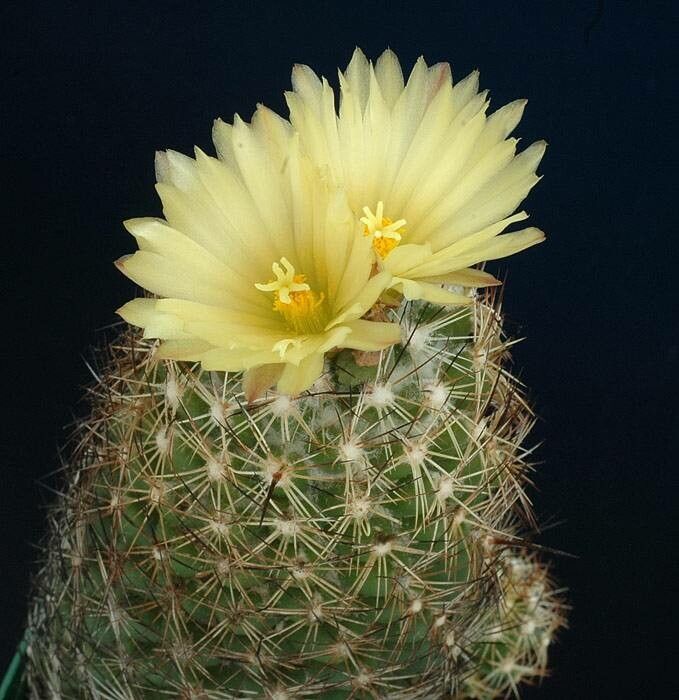
Hello fellow plant lovers! Today, we’re diving into the wonderful world of propagating Coryphantha pseudonickelsiae. If you’ve ever admired this cactus with its charming tubercles and delightful blooms, you’re in for a treat. Growing more of these beauties from your existing ones is incredibly satisfying.
For those just starting their cactus journey, Coryphantha pseudonickelsiae can be a rewarding plant to propagate. While it might present a few more challenges than a common succulent, with a little care and attention, you’ll soon be celebrating your own mini-cacti. It’s a fantastic way to expand your collection or share the love with friends.
The Best Time to Start
The sweet spot for propagating Coryphantha pseudonickelsiae is during its active growing season. Spring and early summer are your golden ticket here. When the plant is actively putting on new growth, it has the energy to heal and root more readily. Waiting until the weather warms up and your cactus is thriving will give you the best chance of success.
Supplies You’ll Need
Gathering your supplies beforehand makes the whole process smooth sailing. Here’s what I always have on hand:
- Well-draining cactus/succulent potting mix: A gritty blend is crucial. You can buy pre-mixed or make your own with equal parts coarse sand, perlite, and potting soil.
- Sterilized sharp knife or pruning shears: Cleanliness is key to preventing fungal infections.
- Rooting hormone powder (optional): This can give cuttings a helpful boost.
- Small pots or trays: Clean terracotta pots are excellent as they allow for good airflow.
- Gravel or perlite: For top-dressing or adding to the bottom of pots to improve drainage.
- Watering can with a fine rose or a spray bottle: For gentle watering.
- Labels and a marker: Don’t forget to mark what you’ve propagated!
Propagation Methods
The most common and successful way to propagate Coryphantha pseudonickelsiae is through offsets, also known as pups. These are the little baby cacti that grow from the base of the mother plant.
Method: Offsets (Pups)
- Identify an offset: Look for small, well-formed baby cacti attached to the base of your mature Coryphantha pseudonickelsiae. They should ideally be at least an inch or two tall and appear healthy.
- Gently detach the offset: Using your sterilized knife or pruning shears, carefully cut or pry the offset away from the mother plant. Try to get a little bit of the base attached to the pup. This might involve a bit of gentle wiggling.
- Allow the offset to callus: This is a super important step! Place the detached offset in a dry, bright spot, away from direct sun, for 3-7 days. You want the cut surface to dry out and form a protective callus. This prevents rot when you plant it.
- Planting the offset: Once callused, fill a small pot with your well-draining cactus mix. Make a small hole in the center and gently place the offset into the soil, ensuring it’s stable. You don’t need to bury it deeply.
- Initial watering: Do not water immediately. Wait for another week or so before giving it a very light watering. You want to encourage the roots to search for moisture.
The “Secret Sauce” (Pro Tips)
Here are a few tricks I’ve learned over the years that make a big difference:
- Don’t rush the drying process: That callus is your best friend against rot. I’ve seen folks try to plant offsets too soon, and it’s a recipe for disaster. Be patient; it’s worth it!
- Bottom warmth is your friend: If you can, place your potted offsets on a gentle heat mat (specifically designed for plants). This subtle warmth mimics a natural spring soil temperature and can significantly speed up root development. Just a low setting is all you need.
- Embrace the gritty mix: I can’t stress this enough. A super gritty, fast-draining soil is non-negotiable for baby cacti. It prevents waterlogged roots, which is the number one killer of young succulents and cacti.
Aftercare & Troubleshooting
Once your offsets have been planted and you’ve started a light watering schedule, keep them in a bright spot, but out of harsh direct sun initially. You want to encourage rooting without scorching them.
Signs of Success: You’ll know your offset is happy when you see new growth emerging from the areoles or the base of the plant. It might also feel a bit more secure in the soil, indicating root development.
Troubleshooting – Rot: The most common issue is rot, which shows up as mushy, discolored tissue, often at the base. If you see this, immediately remove the affected plant and try to salvage any healthy parts by recutting them and letting them callus before replanting in fresh, dry soil. Always check your watering habits if rot is a recurring problem.
A Warm Wrap-up
Propagating Coryphantha pseudonickelsiae is a journey that rewards patience and keen observation. Don’t be discouraged if your first attempt isn’t perfect – every gardener has lost a plant or two! Enjoy the process, celebrate each tiny success, and before you know it, you’ll have a delightful collection of these unique cacti. Happy growing!
Resource:
https://identify.plantnet.org/k-world-flora/species/Coryphantha%20pseudonickelsiae%20Backeb./data