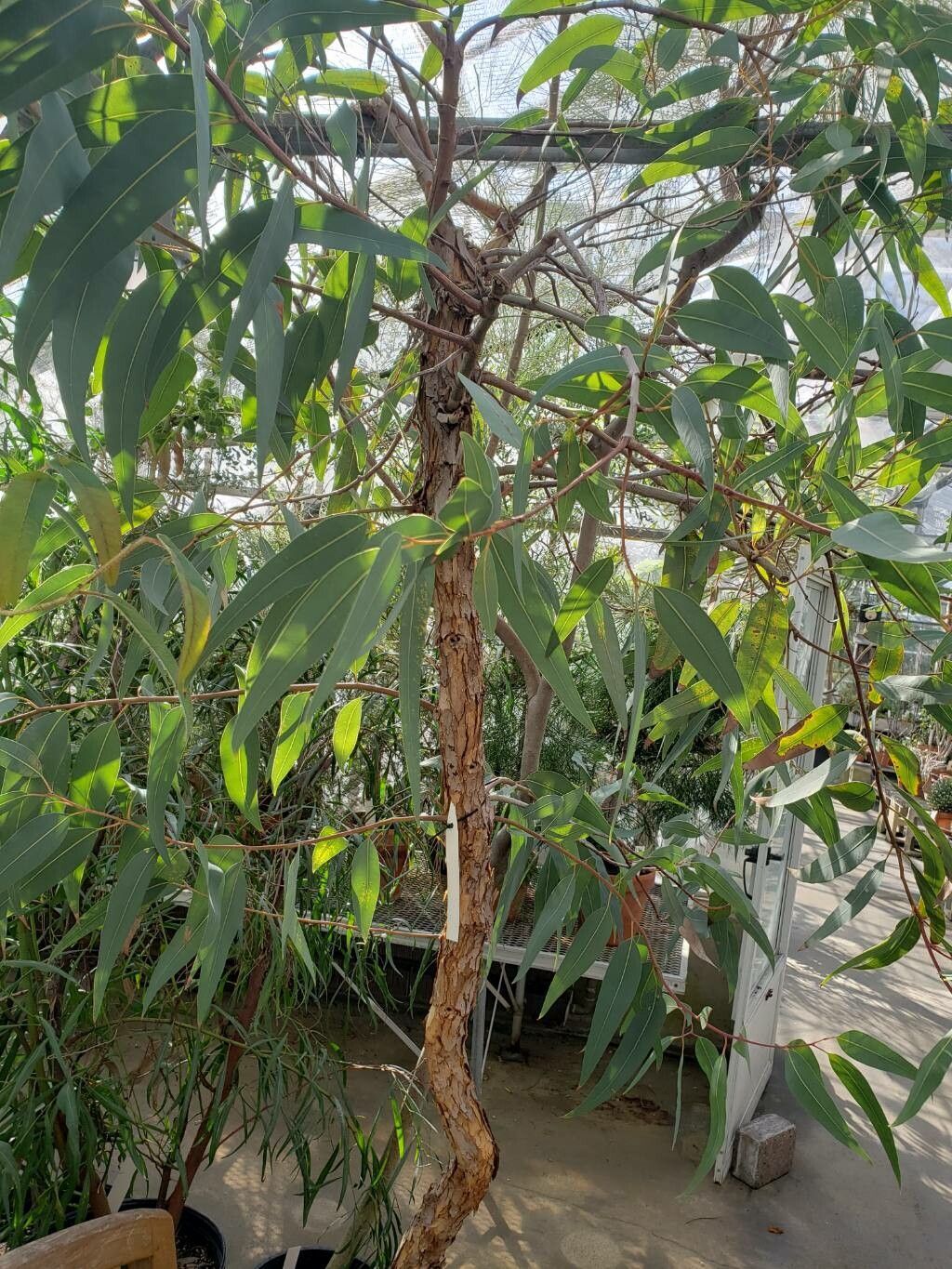
Oh, hello there! Pull up a chair. I’m so glad you’re interested in propagating Corymbia eximia, also known as the Yellow Bloodwood. This Australian native is just a stunner, isn’t it? With its beautiful, slightly peeling bark and those gorgeous creamy-white flowers that turn into striking woody capsules, it truly commands attention in any garden.
And the best part? Bringing this beauty into existence yourself from a little cutting or seed is incredibly rewarding. It connects you to the plant in a whole new way. Now, I’ll be honest, for absolute beginners, Corymbia eximia can be a moderately challenging plant to propagate. But don’t let that deter you! With a little patience and the right approach, you can absolutely achieve success.
The Best Time to Start
When it comes to Corymbia eximia, my golden rule is to try propagation during its active growing season. For most of us, this means late spring through to mid-summer. You want to capture that surge of energy the plant has as it’s really pushing out new growth. Attempting it when the plant is dormant or stressed will just make things trickier for you and the plant itself. Think vibrant, leafy growth – that’s your cue!
Supplies You’ll Need
Gathering your supplies upfront makes the whole process so much smoother. Here’s what I usually have on hand:
- Sharp, sterile pruning shears or a clean knife: Essential for making clean cuts.
- Rooting hormone powder or gel: This is a game-changer for encouraging root development.
- Propagation pots or small containers: Make sure they have good drainage holes! Small terracotta pots or even clean yogurt cups with holes poked in the bottom work well.
- A well-draining potting mix: I like to use a blend of perlite, coco coir, and a little bit of coarse sand. You want something that dries out reasonably quickly.
- A spray bottle: For misting your cuttings.
- A clear plastic bag or a propagation dome: This creates a humid environment.
- Optional: A heat mat: This can really speed up root formation, especially if your home is on the cooler side.
Propagation Methods
While you can try growing from seed, I find that stem cuttings are generally more reliable and quicker for Corymbia eximia. Here’s how I do it:
Stem Cuttings:
- Select your material: Look for semi-hardwood cuttings from the current season’s growth. These will be slightly woody at the base but still flexible. They should snap cleanly but without being brittle. Aim for pieces about 4-6 inches long.
- Make the cut: Using your sterile pruning shears, make a clean cut just below a leaf node (where a leaf attaches to the stem).
- Prepare the cutting: Remove the lower leaves, leaving just a couple of leaves at the very top. This reduces water loss. If the top leaves are very large, you can even cut them in half horizontally to further reduce transpiration.
- Apply rooting hormone: Dip the cut end of the stem into your rooting hormone powder or gel. Tap off any excess.
- Potting up: Fill your propagation pots with your well-draining mix. Make a small hole in the center with your finger or a pencil.
- Insert the cutting: Gently insert the base of the cutting into the hole, ensuring the rooting hormone is covered by soil. Firm the soil gently around the stem.
- Water and cover: Water the soil thoroughly but gently. Then, cover the pot with a clear plastic bag or place it under a propagation dome to maintain high humidity. You can also place the pot on a heat mat if you have one.
The “Secret Sauce” (Pro Tips)
Here are a few things I’ve learned over the years that make a real difference:
- Don’t overcrowd: Give your cuttings a little space. If they’re too close, they can harbor disease and compete for light and air circulation. I usually stick 2-3 cuttings per small pot, depending on the pot size.
- Bottom heat is your friend: If you’re using a heat mat, aim for a consistent temperature of around 70-75°F (21-24°C). This warmth encourages root cells to develop much more vigorously. It’s like giving the roots a warm hug to get them going!
- Air circulation is key: While you need humidity, you don’t want stagnant air. I like to lift the plastic bag or dome for a few minutes each day to let fresh air in. This helps prevent fungal issues.
Aftercare & Troubleshooting
Once your cuttings are potted, place them in a bright spot with indirect sunlight. Direct sun will scorch those delicate leaves. Keep the soil consistently moist but not soggy.
You’ll know roots are forming when you see new leaf growth or feel a slight resistance when you gently tug on the cutting. This usually takes anywhere from 4 to 8 weeks, sometimes longer.
The biggest enemy you’ll face is rot. If you see blackening or mushy stems, it’s often a sign of overwatering and poor drainage, or insufficient air circulation. Don’t be discouraged if a few don’t make it. It’s a learning process, and nature always has more to offer.
A Encouraging Closing
So there you have it! Propagating Corymbia eximia is a journey, and each success is a little victory. Be patient, observe your cuttings closely, and don’t be afraid to experiment a little. The joy of nurturing a new plant from your own efforts is truly a special kind of magic in the garden. Happy propagating!
Resource: