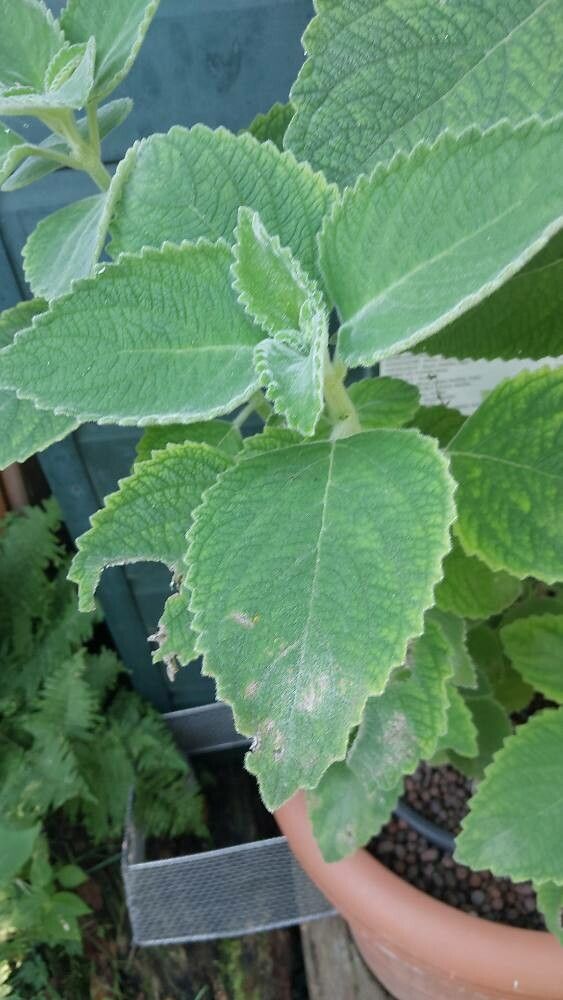
Hello fellow plant lovers! It’s so wonderful to have you here. Today, we’re diving into the delightful world of Coleus fragrantissimus. You know, the one with those wonderfully aromatic leaves that fill the air with the most delightful scent? It’s a real treat for the senses, and honestly, one of my favorite plants to have around. The good news? Propagating it is a journey that’s absolutely achievable, even for those just starting out on their gardening adventure. It’s a fantastic way to multiply your existing plants or share these fragrant beauties with friends.
The Best Time to Start
For the highest success rate, I like to begin propagating Coleus fragrantissimus in the late spring or early summer. This is when the plant is in its most vigorous growth phase, meaning it has plenty of energy to put into developing new roots. Aim for a time when your plant is actively putting out new, healthy shoots. Avoid propagating from older, woody stems if possible; you want nice, pliable material.
Supplies You’ll Need
Gathering your supplies makes the whole process smoother. Here’s what I usually have on hand:
- Sharp pruning shears or a clean knife: For taking clean cuttings. No frayed edges allowed!
- Potting mix: A well-draining mix is crucial. I often use a blend of perlite, peat moss, and a bit of compost. You can also buy a specific seed-starting or propagation mix.
- Small pots or trays: Clean ones, of course! Tiny pots are perfect for starting.
- Rooting hormone (optional but recommended): This can give your cuttings an extra boost. Look for one with IBA.
- Plastic bags or a propagation dome: To maintain high humidity around the cuttings.
- Water: For hydration!
Propagation Methods
Coleus fragrantissimus is quite forgiving, and I find the most straightforward method is stem cuttings.
Stem Cuttings:
- Select your cuttings: Look for a healthy stem on your mature Coleus fragrantissimus. You want a piece that’s about 4-6 inches long and has a few sets of leaves. Make your cut just below a leaf node (where a leaf attaches to the stem). This is where roots are most likely to form.
- Prepare the cutting: Gently remove the leaves from the bottom half of the cutting. This prevents them from rotting when they are in soil or water. Leave just two or three sets of leaves at the top.
- Apply rooting hormone (optional): If you’re using rooting hormone, dip the cut end of the stem into the powder or gel, tapping off any excess.
- Plant your cuttings: Fill your small pots with the prepared, moist potting mix. Make a small hole in the center with your finger or a pencil. Insert the cutting into the hole, making sure the leaf nodes you stripped are below the soil surface. Gently firm the soil around the base of the cutting.
- Water gently: Water the soil lightly to settle it around the cutting.
Water Propagation (as an alternative or for quick checks):
If you’re eager to see progress or want to try a different route, water propagation is also an option.
- Follow steps 1 and 2 from the stem cuttings method.
- Place the prepared cuttings in a glass or jar of clean water, ensuring the leaf nodes are submerged.
- Crucially, don’t let the leaves touch the water. This is a common pitfall that leads to rot. You might need to use skewers or bend the leaves to keep them out.
- Place the jar in a bright spot away from direct sunlight. Change the water every few days to keep it fresh. You should see tiny white roots emerge from the nodes within a couple of weeks. Once the roots are about an inch long, you can transplant them into soil.
The “Secret Sauce” (Pro Tips)
Here are a few little tricks I’ve learned over the years that can really make a difference:
- Bottom Heat is Your Friend: Using a heating mat under your pots can significantly speed up root development. It mimics the warmth of summer soil and encourages those roots to get growing.
- Humidity is Key: These cuttings are essentially little water-seeking missiles. That’s why a plastic bag or a propagation dome is essential. It creates a mini-greenhouse, keeping the humidity high and preventing the cuttings from drying out before they can root. Just make sure to vent it daily for a few minutes to prevent mold.
- Don’t Overcrowd: Give your cuttings a little breathing room. If they’re too close together, they can compete for resources and increase the risk of disease spreading.
Aftercare & Troubleshooting
Once you start to see new growth on your cuttings, that’s a fantastic sign that roots are forming! You can gently tug on the cutting; if it feels like it’s resisting, you’ve got roots. At this point, you can slowly start to acclimate them to drier air by gradually opening your plastic bag or dome over a week or so. Continue to water them regularly, keeping the soil consistently moist but not soggy.
The most common issue you’ll encounter is rot. If your cutting turns black and mushy, it’s usually a sign of too much moisture and poor air circulation. Don’t be disheartened! It happens to everyone. Just discard the rotted cutting and try again, perhaps adjusting your watering schedule or ensuring better drainage. Sometimes, a cutting just doesn’t take, and that’s okay too. Gardening is a learning process, and we learn from every attempt.
A Encouraging Closing
Propagating Coleus fragrantissimus is a truly rewarding experience. It’s a chance to connect with the life cycle of your plants and to fill your home and garden with even more of their wonderful fragrance. Be patient with yourself and the process. Enjoy watching those tiny roots emerge, and before you know it, you’ll have a whole new collection of these delightful plants. Happy propagating!
Resource: