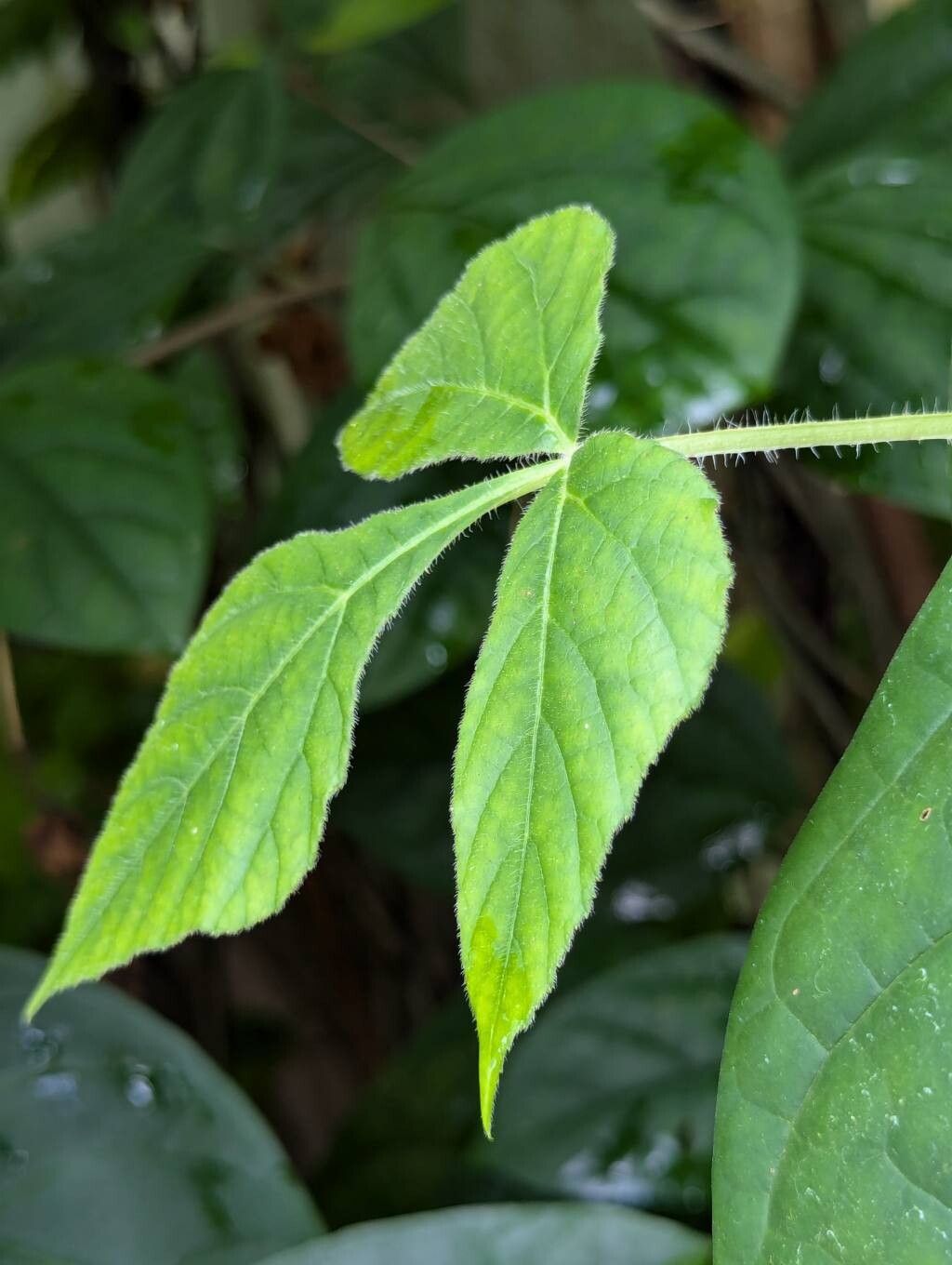
Hello fellow plant lovers! It’s so good to be sharing a cuppa with you today. We’re going to dive into a particularly delightful plant that’s been stealing hearts: Cissus gongylodes. This beauty, with its trailing vines and attractive foliage, adds such a lovely touch of the tropics to any space. And guess what? Propagating it is a truly rewarding endeavor. I’d say Cissus gongylodes is fairly easy to propagate, making it a wonderful project for both seasoned gardeners and those just starting their green journey.
The Best Time to Start
My favorite time to take cuttings is during the active growing season, which usually means late spring through summer. The plant is brimming with energy then, and cuttings taken during this period tend to root more readily. You’re essentially tapping into its natural vigor.
Supplies You’ll Need
Before we get our hands dirty, let’s gather our tools:
- Sharp pruning shears or a clean knife: For taking clean cuts that heal well.
- Potting mix: A well-draining mix is key. I like to use a blend of peat moss, perlite, and a little bit of potting soil. You can also buy pre-made succulent or cactus mixes.
- Small pots or containers: Whatever you have on hand will work, as long as there are drainage holes.
- Rooting hormone (optional but recommended): This is like a little pep talk for your cuttings, encouraging faster root development.
- Plastic bag or humidity dome: To create a mini greenhouse effect.
- Watering can or spray bottle: For gentle watering.
Propagation Methods
Let’s get to the fun part! Here are a couple of my go-to methods for multiplying your Cissus gongylodes.
Stem Cuttings: My Favorite Go-To
This is my absolute favorite method, and it’s incredibly successful.
- Select a healthy stem: Look for a piece of stem that’s at least 4-6 inches long and has one or two leaf nodes (where the leaves attach to the stem). Avoid very old, woody stems or brand-new, tender shoots.
- Make a clean cut: Using your sharp shears or knife, make a clean cut just below a leaf node. This is where the magic happens, as roots will emerge from these nodes.
- Remove lower leaves: Gently strip off the leaves from the bottom half of the cutting. This prevents them from rotting when buried in the soil.
- Dip in rooting hormone (optional): If you’re using rooting hormone, dip the cut end into it. Just the bottom inch or so.
- Plant the cutting: Fill your small pot with your well-draining potting mix. Make a small hole with your finger or a pencil and insert the cut end of the stem into the soil, ensuring the leaf nodes are buried. Gently firm the soil around it.
- Water gently: Give the soil a light watering. You want it moist, not soggy.
- Create humidity: Cover the pot with a plastic bag or a humidity dome. Make sure the leaves aren’t touching the plastic if possible – you can use stakes to prop it up. This keeps the humidity high, which is crucial for cuttings that can’t yet absorb water from their roots.
- Place in bright, indirect light: Find a spot that gets plenty of bright, indirect sunlight. Avoid direct sun, as it can scorch your tender cuttings.
Water Propagation: A Visual Delight
If you enjoy watching the root development, water propagation is lovely!
- Take your cutting: Follow steps 1 and 2 from the stem cutting method, ensuring you have at least one leaf node.
- Remove lower leaves: Just like with soil propagation, remove any leaves that would be submerged in water.
- Place in water: Pop your cutting into a clean jar or glass filled with fresh water. Make sure the leaf node is submerged.
- Change water regularly: Change the water every few days to keep it fresh and prevent bacteria buildup.
- Provide bright, indirect light: Place the jar in a location with bright, indirect light.
- Wait for roots: You should start to see little nubs of roots emerge from the leaf nodes within a few weeks. Once the roots are about an inch long, you can transplant them into soil, following step 5 in the stem cutting method.
The “Secret Sauce” (Pro Tips)
Here are a few little tricks I’ve picked up over the years that really boost my success:
- Don’t overwater fresh cuttings in soil: This is probably the biggest mistake beginners make. Damp is good, soggy is deadly. A slightly drier base helps prevent rot, which is the arch-nemesis of new cuttings.
- Bottom heat is your friend: If you have a heat mat designed for seed starting, placing your pots on it can significantly speed up rooting. It mimics the warmth of spring soil and gives those roots a real boost.
- Choose your cuttings wisely: I always opt for stems that are not too flimsy and not too woody. Think of a pencil-thick piece of stem – that’s usually the sweet spot.
Aftercare & Troubleshooting
Once you spot those glorious new roots emerging from the bottom of the pot or clearly visible in your water jar, congratulations! It’s time to treat your new baby kindly.
- For soil-propagated cuttings: If you’ve used a plastic bag, gradually remove it over a week or so to help the new plant acclimate to normal humidity. Continue to water when the top inch of soil feels dry.
- For water-propagated cuttings: Once roots are about an inch long, carefully plant them into your well-draining potting mix. Water thoroughly and then continue with the aftercare for soil-propagated cuttings.
- Troubleshooting: The most common issue you might encounter is rot. If your cutting turns mushy or black, it’s likely rotted. This usually happens from overwatering or poor air circulation. If you see this happening, discard the affected cutting and try again, ensuring your soil is well-draining and you’re not drowning it. Another sign of struggle is wilting, which can be due to insufficient humidity or the cutting trying to tell you it needs a drink. Just keep an eye on it!
A Encouraging Closing
Propagating plants is a wonderful way to connect with nature and fill your home with greenery. Be patient with your Cissus gongylodes cuttings. Sometimes they take their time, and that’s perfectly okay. Enjoy the process, celebrate each new sign of life, and soon you’ll have a whole jungle of these beauties to share! Happy growing!
Resource: