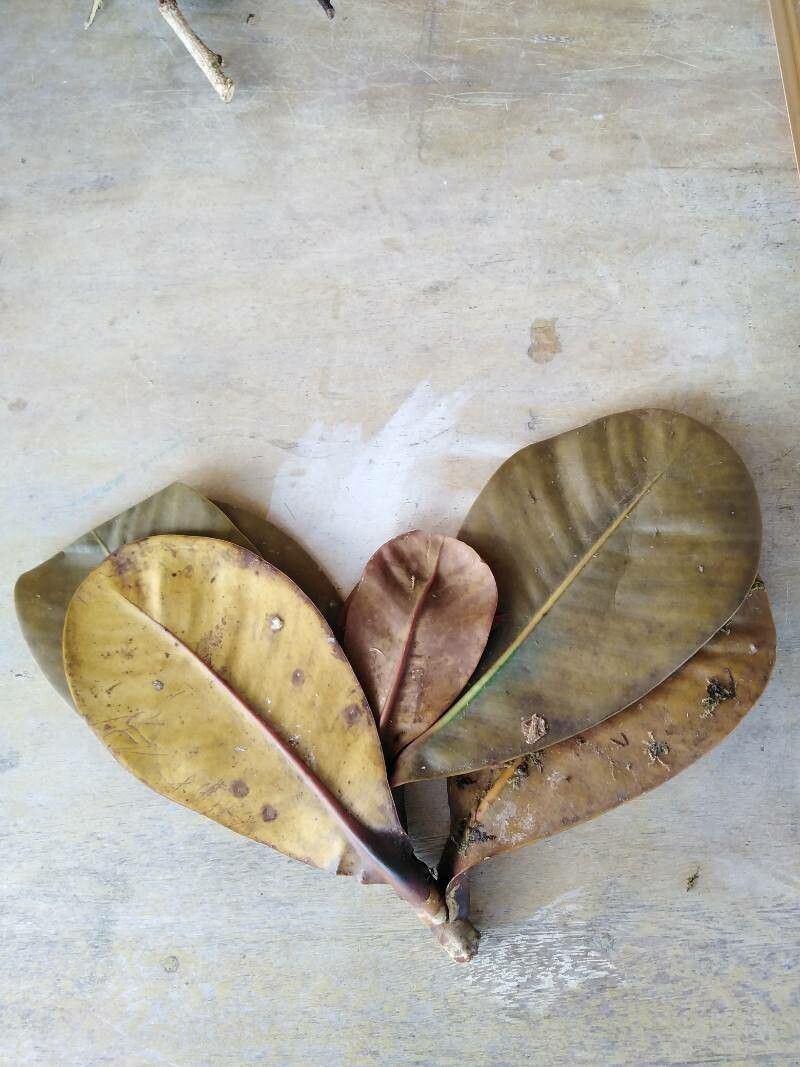
Hello, fellow garden enthusiasts! It’s so lovely to connect with you today. I’ve been digging in the dirt and nurturing plants for about two decades now, and honestly, there’s nothing quite like the satisfaction of growing something new from a little bit of itself. Today, we’re going to talk about a gem that’s been catching my eye more and more: the beautiful Clusia congestiflora.
Why Grow More Clusia Congestiflora?
I just adore Clusia congestiflora. Its lush, glossy leaves bring such a vibrant, tropical feel to any space, whether it’s indoors or out in a warm climate. And the way its branches cascade? Simply stunning! The best part? It’s surprisingly easy to propagate. If you’re new to plant propagation, this is a fantastic one to start with. You’ll be rewarded with more of this beauty before you know it!
When is the Best Time to Start?
For the highest success rate with Clusia congestiflora, the late spring or early summer is your sweet spot. This is when the plant is really in its active growing phase, meaning it has plenty of energy to put into producing new roots. Aim for when the weather is consistently warm, but before the intense heat of mid-summer sets in.
What You’ll Need for Success
Gathering your supplies beforehand makes the whole process much smoother. Here’s what I always have on hand:
- Sharp Pruning Shears or a Clean Knife: You want to make nice, clean cuts.
- Rooting Hormone (Optional but Recommended): This helps speed up root development.
- Well-Draining Potting Mix: A good mix of peat moss, perlite, and a bit of compost works wonders. Or, you can use a specialized succulent or cactus mix.
- Small Pots or Trays: Clean pots are essential to prevent disease.
- Plastic Bags or a Small Greenhouse: To create a humid environment.
- Watering Can or Spray Bottle: For gentle watering.
Let’s Get Propagating!
There are a couple of really effective ways to grow more Clusia congestiflora. My favorite is stem cuttings, but water propagation is also a breeze.
Method 1: Stem Cuttings (My Go-To!)
This is where the magic really happens.
- Take Your Cuttings: Select healthy, non-flowering stems from a mature plant. Look for stems that are at least six inches long and have several sets of leaves. Using your sharp shears or knife, cut just below a leaf node (the point where a leaf attaches to the stem).
- Prepare the Cuttings: Remove the lower leaves, leaving just two or three at the very top. This prevents them from rotting in the soil. If you’re using it, dip the cut end into rooting hormone. Give it a gentle tap to shake off any excess.
- Plant Them Up: Fill your small pots with your well-draining potting mix. Make a hole in the center of the soil with your finger or a pencil. Insert the cutting into the hole, ensuring the leaf nodes are below the soil surface. Gently firm the soil around the cutting.
- Create Humidity: Water the soil thoroughly but gently. To keep things moist, I like to cover the pot with a clear plastic bag, making sure it doesn’t touch the leaves. You can prop it up with a few sticks if needed. Alternatively, a small greenhouse works perfectly.
- Find a Cozy Spot: Place the pots in a bright location that receives indirect sunlight. Avoid direct sun, which can scorch your new cuttings.
Method 2: Water Propagation
This method is super visual and just as effective!
- Prepare the Cuttings: Follow steps 1 and 2 from the stem cutting method.
- Place in Water: Fill a clean jar or vase with water. Place the cuttings in the water, making sure no leaves are submerged. This is crucial to prevent rot.
- Change the Water Regularly: Change the water every few days to keep it fresh and prevent bacterial growth.
- Watch for Roots! In a few weeks, you should start seeing tiny white roots emerging from the nodes. Once the roots are about an inch long, you can transplant them into your potting mix following steps 3-5 from the stem cutting method.
The “Secret Sauce” from My Garden to Yours
Here are a couple of little tricks I’ve learned over the years that really boost my success rates:
- Bottom Heat is Your Friend: For stem cuttings, providing bottom heat can make a huge difference. I use a small heating mat designed for seedlings, which gently warms the soil. This encourages those roots to form much faster. If you don’t have one, a warm spot on top of a router or a warm appliance can also work.
- Don’t Over-Water Early On: While you want to maintain humidity for cuttings, it’s easy to go overboard with watering right at the beginning. Let the top inch of soil dry out slightly between waterings. It’s better to be a little too dry than too wet at this stage, especially for stem cuttings. Rot is the enemy of new propagations!
Aftercare and What to Watch For
Once you spot those first signs of new growth or see a good root system in the water, your little Clusia is ready for its next stage!
- Transplanting: If you’ve propagated in water, gently transplant the rooted cuttings into pots filled with your well-draining mix. Water them in well. If you started with stem cuttings in soil, you’ll know they’ve rooted when you gently tug on a stem and feel resistance, or when you see new leaf growth.
- Gradual Acclimation: If your cuttings were in a highly humid environment (like under a plastic bag), gradually introduce them to room humidity before removing the bag permanently. This prevents shock.
- Troubleshooting: The most common issue you’ll encounter is rot. This usually happens from overwatering or poor drainage. If a cutting turns black and mushy, it’s unfortunately a goner. If you see this, remove it immediately to prevent it from spreading. Another sign of trouble is if cuttings are yellowing and dropping leaves too quickly – this could indicate too much direct sun or not enough humidity.
Keep Gardening, Keep Growing!
See? It’s really not that complicated at all! Propagating Clusia congestiflora is a wonderfully rewarding process. Be patient, give your little cuttings the conditions they need, and soon you’ll have a whole collection of these beauties to share or enjoy yourself. Happy propagating!
Resource:
https://identify.plantnet.org/k-world-flora/species/Clusia%20congestiflora%20Cuatrec./data