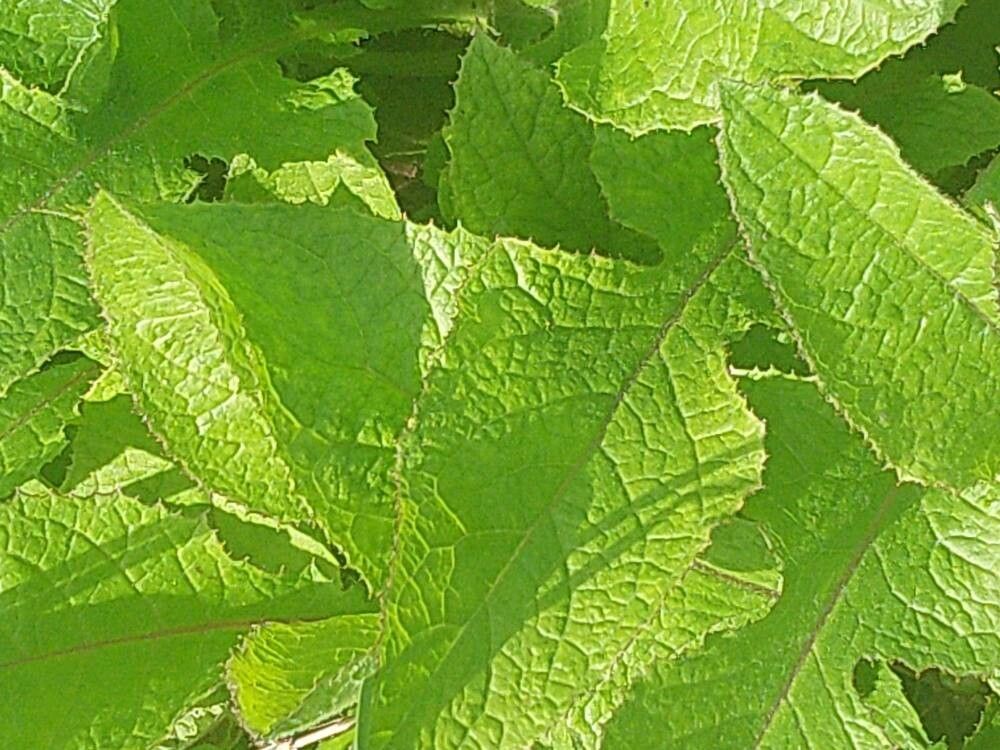
Oh, hello there! It’s such a joy to share my gardening adventures with you today. We’re going to chat about a plant that brings a lovely touch of whimsy to any garden: Cicerbita bourgaei. Perhaps you’ve admired its charming, often deep blue-violet blooms, reminiscent of a chic cornflower, but with a slightly more refined air. Propagating it, I’ve found, is a deeply satisfying endeavor, a way to multiply that beauty and fill your garden, or share with friends – which is always the best kind of gardening, isn’t it?
Now, for the beginner gardener, Cicerbita bourgaei is moderately easy to propagate. It’s not quite as foolproof as a Pothos, but with a little attention and a gentle hand, you’ll be well on your way to success. The reward of seeing those tiny roots emerge and watching a new plant unfurl is truly special.
The Best Time to Start
For the highest success rate with Cicerbita bourgaei, I always aim to take cuttings in late spring to early summer, after the main flush of blooming has passed. The plant is actively growing but not stressed by extreme heat. You’re looking for young, vigorous stems that haven’t yet flowered or are just finishing up. If you miss this window, early fall can also work, giving the new cuttings enough time to establish before winter cold sets in, though spring is generally more forgiving.
Supplies You’ll Need
To get your propagation station ready, gather these essentials:
- Sharp Pruning Shears or a Craft Knife: Clean tools are crucial to prevent disease.
- Rooting Hormone (Optional but Recommended): A powder or gel helps encourage root development.
- Well-Draining Potting Mix: I like a blend of equal parts peat moss, perlite, and a bit of fine compost.
- Small Pots or Seed Trays: Around 4-inch pots are usually sufficient.
- Plastic Bags or a Propagation Dome: To maintain humidity.
- Watering Can with a Fine Rose: For gentle watering.
- Labels and a Marker: To keep track of what’s what.
Propagation Methods
While Cicerbita bourgaei can be grown from seed, I find stem cuttings to be the most consistent and straightforward method for multiplying your plants reliably.
Stem Cuttings:
- Select Your Cuttings: Look for healthy, non-flowering or recently bloomed stems. You want pieces that are about 4-6 inches long.
- Make the Cut: Using your clean pruning shears or craft knife, make a clean cut just below a leaf node (where a leaf attaches to the stem). This is where the magic of root formation often happens.
- Prepare the Cutting: Gently remove the lower leaves from the stem, leaving just a few at the top. This prevents them from decaying in the soil and encourages the plant to focus its energy on rooting.
- Apply Rooting Hormone: Dip the cut end of the stem into your rooting hormone, tapping off any excess. This step is like giving your cutting a little boost.
- Plant the Cutting: Fill your pots with the prepared potting mix. Make a small hole in the center with your finger or a pencil. Insert the cutting into the hole, ensuring the nodes where you removed leaves are buried in the soil. Gently firm the soil around the stem.
- Water Gently: Water the soil thoroughly but gently, so it’s moist but not waterlogged.
- Create Humidity: Place the pots into a plastic bag, or cover them with a propagation dome. Make sure the foliage doesn’t touch the plastic, as this can lead to rot. If using a bag, you can loosely tie it around the rim of the pot or the base of the tray.
- Provide Bright, Indirect Light: Place your cuttings in a location that receives bright light but is protected from direct sun, which can scorch the tender shoots.
The “Secret Sauce” (Pro Tips)
Here are a couple of things I’ve learned over the years that often make a difference:
- Bottom Heat is Your Friend: If you have a seedling heat mat, placing your pots on it can significantly speed up root development. Cicerbita bourgaei cuttings appreciate a little warmth from below to kickstart things.
- Don’t Be Afraid to Fertilize (Lightly!) Once Rooted: Once you see signs of new growth – tiny leaves unfurling from the top – it’s a good indicator that roots are forming. At this stage, you can start a very dilute liquid fertilizer solution (about a quarter strength) for their next watering. This helps them build strength.
Aftercare & Troubleshooting
Once your cuttings have been planted, keep a close eye on them. Check the soil moisture regularly and water when the top inch feels dry. You’ll want to open the bag or dome for a few minutes daily to allow for air circulation, which prevents fungal issues.
The most common sign of failure is rot. If you notice the stem turning mushy and black, or if the leaves suddenly wilt and go limp, it’s likely rot. This is often due to overwatering or poor air circulation. If you catch it early, you might be able to salvage a healthy section of the stem to try again, but often, it’s best to discard the affected cutting and start fresh with a clean pot and sterilized soil.
You’ll know your cuttings are successful when you see new leaf growth emerging from the tip or even from along the stem. This is your cue that roots have developed. At this point, you can gradually acclimatize them to normal room humidity by opening the bag or dome for longer periods. Once they feel sturdy and show good top growth, it’s time to transplant them into slightly larger individual pots.
A Encouraging Closing
Propagating plants is an exercise in patience and observation. There will be times when things don’t quite work out, and that’s part of the learning curve. Don’t get discouraged! Celebrate your successes, learn from your challenges, and most importantly, enjoy the process of nurturing new life in your garden. Happy growing!
Resource:
https://identify.plantnet.org/k-world-flora/species/Cicerbita%20bourgaei%20(Boiss.)%20Beauverd/data