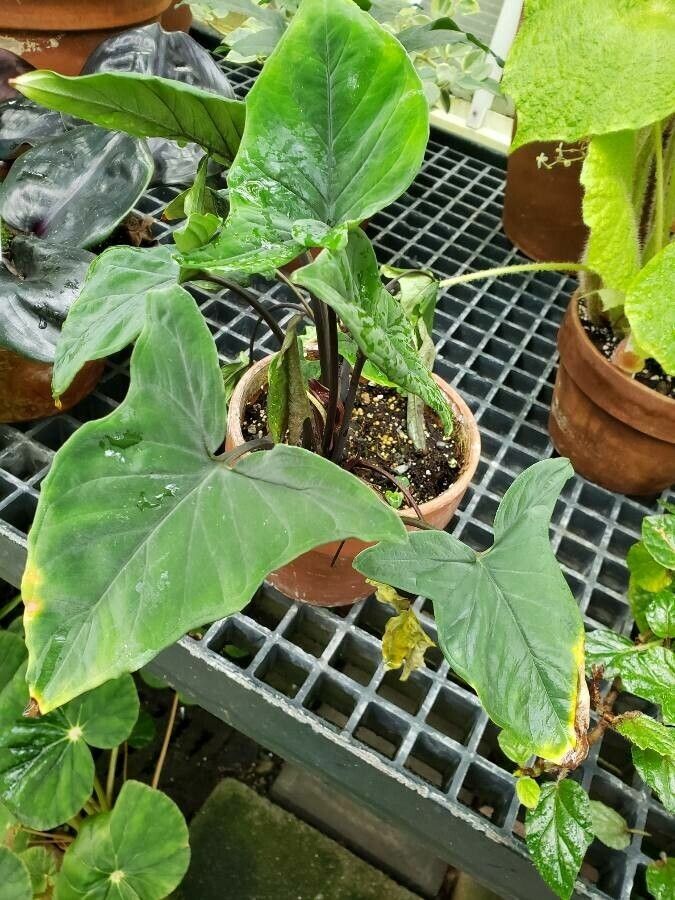
Oh, Chlorospatha longipoda! Isn’t it just a dream? Those big, gorgeous leaves, often with that lovely splash of green and variegation, and that satisfyingly upright growth habit. If you’ve got one gracing your home, you probably know exactly what I mean. And the best part? You can easily make more of these beauties! Propagating them is incredibly rewarding, letting you fill your space or share the love with fellow plant enthusiasts. For fellow beginners, I’d say Chlorospatha longipoda is actually quite forgiving. You’ll likely find great success with your first few tries.
The Best Time to Start
When is the magic window for coaxing new life from your Chlorospatha? I’ve found the absolute best time is during its active growing season. Think late spring through summer. This is when the plant has plenty of energy to put into developing new roots and shoots. Trying to propagate in the dead of winter, when everything’s a bit sluggish, can lead to slower results or even a bit of disappointment. So, let your plant wake up and thrive, then it’s ready to share its bounty!
Supplies You’ll Need
Gathering your tools before you begin makes the whole process smoother. Here’s what I always have on hand:
- Sharp, clean pruning shears or a knife: Essential for making clean cuts.
- Potting mix: A well-draining mix is key. I like to use a blend of peat moss or coco coir, perlite, and a bit of regular potting soil. Aim for something airy.
- Small pots or containers: To house your new cuttings. Make sure they have drainage holes!
- Rooting hormone (optional but recommended): This gives your cuttings a little boost.
- Perlite or vermiculite: Excellent for improving drainage and aeration in your potting mix.
- Plastic bag or clear propagation dome: To create a humid environment for your cuttings.
- Watering can or spray bottle: For gentle watering.
Propagation Methods
Chlorospatha longipoda is quite generous and can be propagated primarily through two methods: division and stem cuttings.
Stem Cuttings
This is my go-to method because it’s so effective!
- Find a healthy stem: Look for a stem that has at least one or two healthy leaves and preferably a small node (that little bump where a leaf or root might emerge).
- Make the cut: Using your clean shears, make a clean cut just below a leaf node, or about an inch or two below the lowest leaf.
- Prepare the cutting: Gently remove the lowest leaf or two. This prevents it from rotting when buried in the soil. If the leaves are very large, you can even cut them in half to reduce water loss, but this is usually not necessary with Chlorospatha.
- Apply rooting hormone (optional): Dip the cut end into your rooting hormone powder, tap off any excess.
- Plant your cutting: Fill a small pot with your prepared potting mix. Make a small hole with your finger or a pencil. Insert the cut end of the stem into the hole, ensuring the node is submerged. Gently firm the soil around the stem.
- Water gently: Water the soil lightly.
Division
If your plant is getting a bit crowded and you see multiple stems arising from the base, division is a fantastic option.
- Gently remove the plant from its pot: This is easiest after watering the plant a day or two prior.
- Inspect the root ball: Look for natural divisions where stems are growing separately from the main root system.
- Separate the divisions: You can often gently pull the divisions apart with your hands. If they are stubborn, a clean knife or spade can be used to carefully slice through the root ball, ensuring each division has roots and at least one shoot.
- Pot up the divisions: Pot each new division into its own container with fresh, well-draining potting mix. Water gently.
The “Secret Sauce” (Pro Tips)
Here are a couple of little tricks I’ve learned over the years that make a big difference:
- Humidity is your friend: Once you’ve planted your cuttings, cover the pot with a clear plastic bag or a propagation dome. This traps moisture and creates that humid microclimate cuttings crave. Just be sure to open it for a few minutes each day to allow for air circulation and prevent fungal issues.
- Don’t drown them: While humidity is important, the soil should be consistently moist, not soggy. Overwatering is the quickest way to invite rot. Stick your finger into the soil; if the top inch feels dry, it’s time for a gentle watering.
Aftercare & Troubleshooting
Once your cuttings show signs of new growth – tiny leaves unfurling or visible root development when you carefully inspect the drainage holes – you’re well on your way! Gradually acclimate your new plants to lower humidity by slowly opening the bag or dome over a week or so. Continue to water as needed, letting the top inch of soil dry out between waterings.
The most common issue you might encounter is rot. If your cutting turns mushy or black and falls apart, it’s a sign of too much moisture and not enough airflow. If you spot this, remove the affected cutting immediately to prevent it from spreading. Sometimes, a cutting might just not take. Don’t be discouraged! It happens to the best of us. Just try again with a fresh cutting.
A Encouraging Closing
See? Not so daunting, is it? The journey of propagation is a wonderful way to connect with your plants and understand their life cycles. Be patient. Every cutting has its own timeline. Enjoy the process, celebrate the small victories – that first little root, that unfurling leaf – and before you know it, you’ll have a collection of your own Chlorospatha longipoda to admire and share. Happy propagating!
Resource: