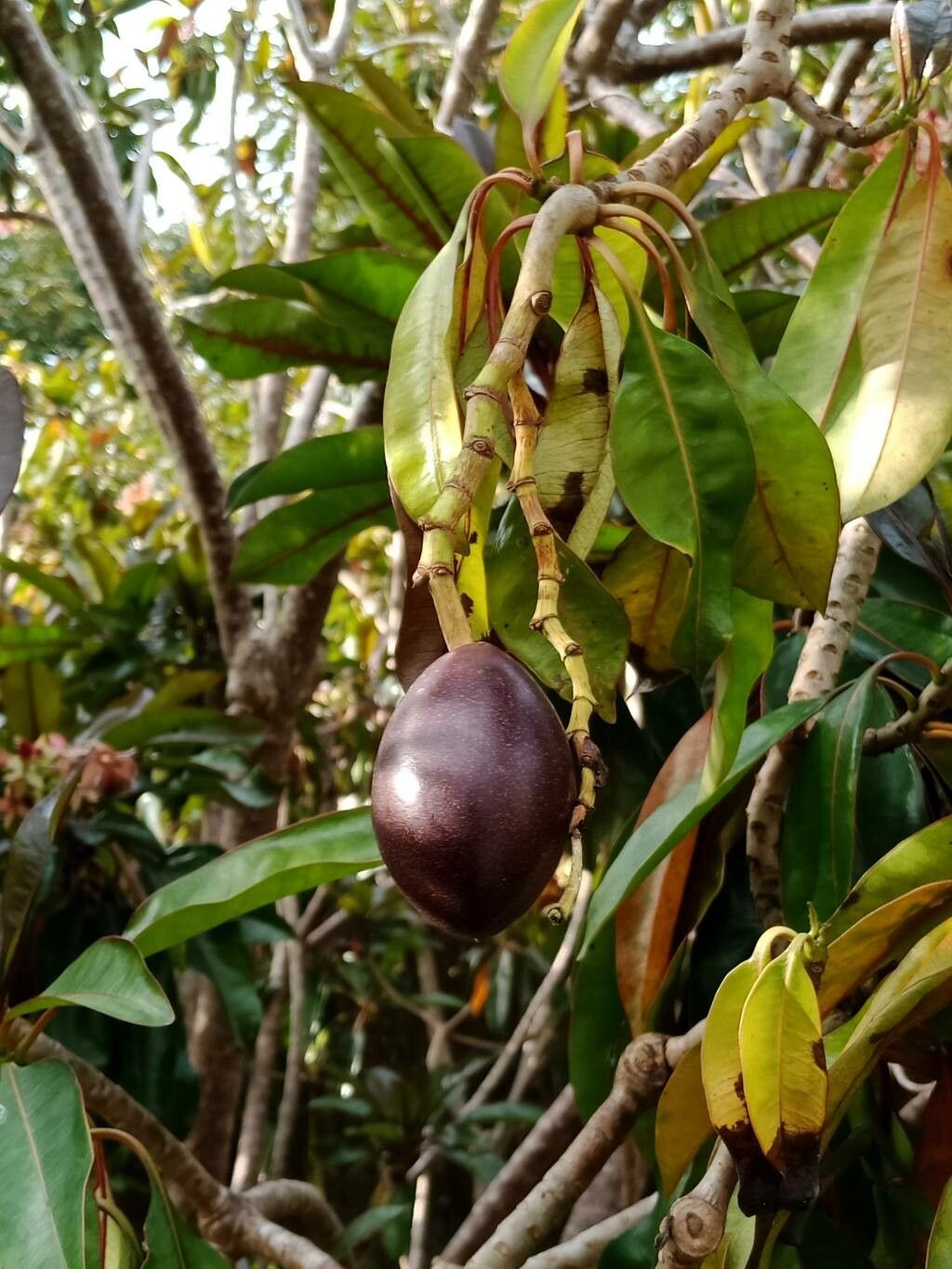
Oh, hello there! Come on in, grab a cup of something warm. I can’t wait to chat with you about one of my favorite tropical treasures: Cerbera manghas. You know, the one with those gorgeous, glossy green leaves and those stunning, fragrant white flowers that are often tinged with pink? It’s truly a delight to have in the garden, and if you’ve ever admired one, you might be thinking, “How can I get one of those for myself?” Well, you’re in the right place. Propagating Cerbera manghas is a wonderfully rewarding endeavor. It’s not the absolute easiest plant for a complete beginner to start with, but with a little patience and some guidance, I promise you’ll be successful. It’s a joy to nurture a new life from a piece of the parent plant.
The Best Time to Start
For the highest success rates, I always recommend propagating Cerbera manghas during its active growing season. For most of us, this means late spring through summer. You’re looking for healthy, vigorous growth—those are the cuttings that have the most energy to put into developing roots. Avoid trying to take cuttings from plants that are stressed by drought or extreme heat, or during their dormant or flowering periods.
Supplies You’ll Need
Gathering your supplies beforehand makes the whole process much smoother. Here’s what I always have on hand when I’m propagating:
- Sharp Pruning Shears or a Clean Knife: For making clean cuts.
- Well-Draining Potting Mix: A good general-purpose mix with added perlite or coarse sand works wonders. I often use a blend of peat moss, perlite, and a bit of compost.
- Rooting Hormone (Optional but Recommended): This can significantly boost your chances of success.
- Small Pots or Seedling Trays: With drainage holes, of course!
- Plastic Bags or a Propagation Dome: To create a humid environment.
- Watering Can with a Fine Rose: Gentle watering is key.
- Labels and a Permanent Marker: To keep track of your projects!
- Bottom Heat Source (Optional but beneficial): A seedling heat mat can speed things up considerably.
Propagation Methods
Cerbera manghas is best propagated through stem cuttings. It’s generally straightforward, provided you follow a few key principles.
Stem Cuttings
- Select Your Cuttings: Look for healthy, semi-hardwood stems that are about 6-10 inches long. These are stems that are no longer brand-new and green but haven’t fully hardened into woody branches. They should have at least a few leaves.
- Make the Cut: Using your sterilized pruning shears or knife, make a clean cut just below a leaf node (where a leaf attaches to the stem). This is where roots are most likely to form.
- Prepare the Cutting: Gently remove the lower leaves, leaving only two or three at the very top. You can also gently wound the base of the cutting by scraping away a thin sliver of bark on one or two sides, about an inch long. This exposes more surface area for root development.
- Apply Rooting Hormone (If Using): Dip the cut end into your rooting hormone, ensuring it’s coated. Tap off any excess.
- Plant Your Cuttings: Fill your pots or trays with your moistened potting mix. Make a small hole with your finger or a pencil and insert the cutting, firming the soil gently around it.
- Create Humidity: Water the soil lightly. Then, cover the pot with a plastic bag or propagation dome to maintain high humidity. Make sure the leaves don’t touch the plastic if possible, as this can encourage rot.
- Place in Bright, Indirect Light: Find a warm spot with bright, indirect light. Avoid direct sun, which can scorch the leaves.
The “Secret Sauce” (Pro Tips)
Here are a few things I’ve learned over the years that can make a real difference:
- Don’t Overwater Initially: While humidity is crucial, soggy soil is the enemy. Let the top inch of soil dry out slightly between waterings. It’s a fine balance!
- Bottom Heat is Your Friend: If you can provide gentle bottom heat (around 70-75°F or 21-24°C), your cuttings will root much faster and more reliably. It mimics the warmth of spring soil, which the plant loves.
- Think About Airflow: While we want humidity, stagnant air can lead to fungal issues. If you’re using a plastic bag, open it up for a few minutes each day to allow for some air exchange. It’s a small step that can prevent big problems.
Aftercare & Troubleshooting
Once your cuttings have been in place for about 4-8 weeks (sometimes longer!), you can gently tug on them. If you feel resistance, that’s a good sign that roots have formed. You might even see new leaves emerging.
When Roots Appear:
- Gradually Acclimate: Slowly remove the plastic bag or dome over a week or two, allowing the new plant to adjust to lower humidity.
- Continue Bright, Indirect Light: Keep it in a similar environment to where it was propagating.
- Water as Needed: Water when the top inch of soil starts to feel dry.
- Transplant: Once the new plant has a good root system and is actively growing, you can transplant it into a slightly larger pot.
Common Signs of Failure:
- Wilting or Drooping Leaves: This can be a sign of too little water, too much sun, or that the cutting has simply failed.
- Blackened Stem Base (Rot): This is a clear indicator of overwatering and fungal infection. Unfortunately, this cutting is usually unsalvageable. Start again with fresh cuttings and ensure your soil drains well.
- Yellowing Leaves and Dropping: This might be a sign of underwatering, insufficient light, or that the cutting has used up all its stored energy without forming roots.
A Little Encouragement
Propagating plants is a journey of patience and observation. Not every cutting will take, and that’s perfectly okay! Each attempt teaches you something new. So, be gentle with yourself, enjoy the process of nurturing these little plant babies, and celebrate every success, big or small. Happy propagating!
Resource:
https://identify.plantnet.org/k-world-flora/species/Cerbera%20manghas%20L./data