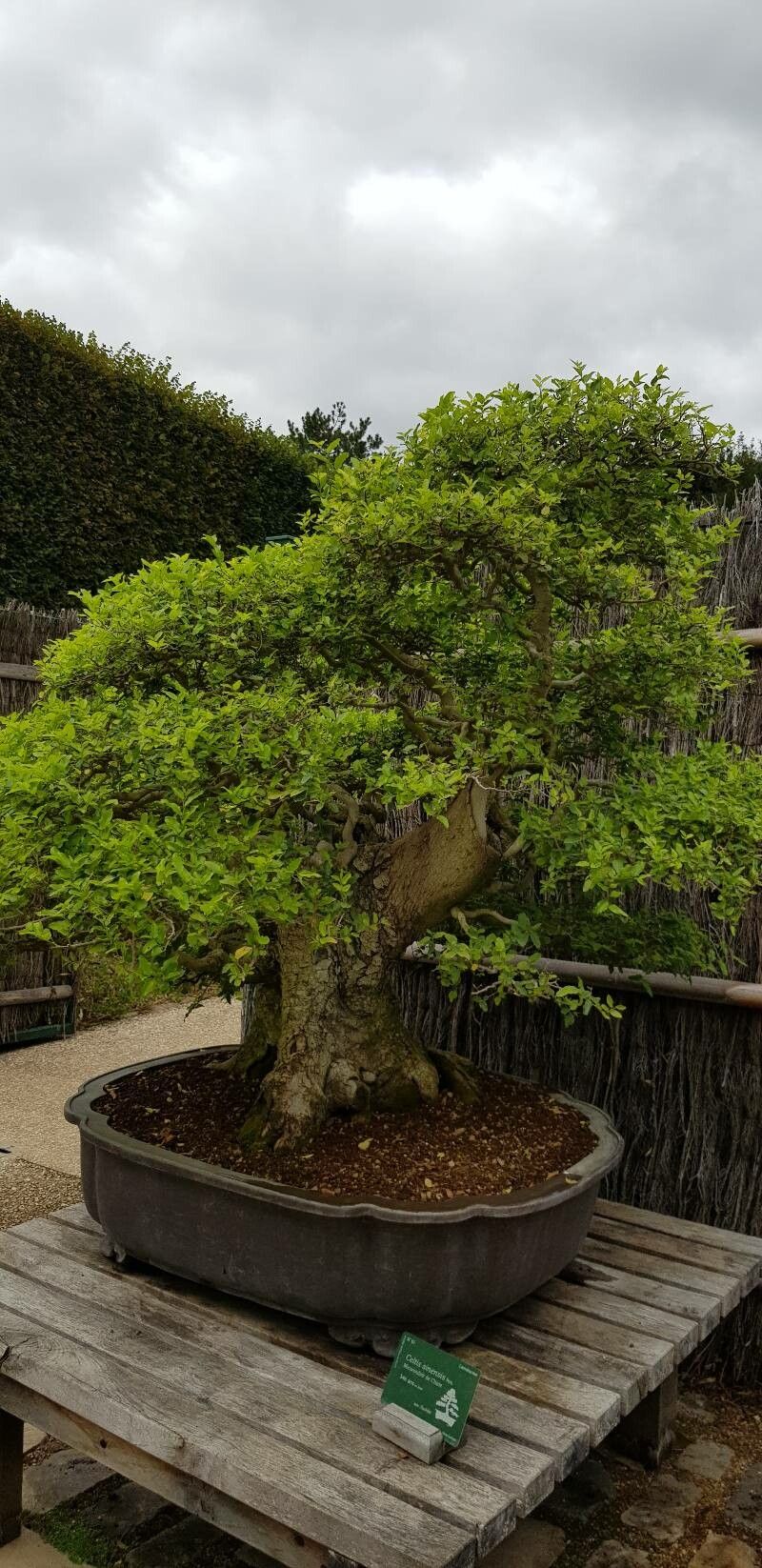
Well hello there, fellow plant enthusiast! I’m so glad you’ve stopped by. Today, we’re going to talk about something truly special: coaxing new life from a beautiful Celtis sinensis, or Chinese Hackberry.
There’s just something so satisfying about growing a plant from scratch. With Celtis sinensis, you get a lovely tree with a graceful canopy and delicate foliage. It’s a plant that just makes you feel good to have in your garden. And the best part? It’s actually quite achievable, even for those of you who are just dipping your toes into the wonderful world of propagation. Don’t be intimidated; we’ll take it one step at a time.
The Best Time to Start
For Celtis sinensis, I’ve found the sweet spot is late spring to early summer. That’s when the plant is in a vigorous growth phase, and the new shoots are tender but not too soft. They have plenty of energy to put into developing roots. It’s like giving them the best possible start, you know?
Supplies You’ll Need
Gathering your tools beforehand makes the whole process much smoother. Here’s what I usually have on hand:
- Sharp pruning shears or a clean knife: Essential for making clean cuts.
- Rooting hormone: This is a game-changer, helping those cuttings develop roots faster and more reliably.
- Well-draining potting mix: A blend of equal parts peat moss or coco coir, perlite, and a bit of general-purpose potting soil works wonderfully. You want it to hold moisture but not get waterlogged.
- Small pots or a propagation tray: Clean pots are a must to prevent disease.
- Plastic bags or a humidity dome: To keep the cuttings moist and create a mini-greenhouse effect.
- Watering can or spray bottle: For gentle watering.
- (Optional) Bottom heat mat: This can really speed things up, especially if your propagation area is a bit cool.
Propagation Methods
Let’s get our hands dirty! We’ll focus on the most reliable method for Celtis sinensis: stem cuttings.
- Select Your Cuttings: Look for healthy, semi-hardwood stems. You want stems that are from your current season’s growth. They should be somewhat flexible, not brittle and not too soft. Aim for cuttings that are about 4-6 inches long.
- Make the Cut: Using your sharp pruning shears or knife, make a clean cut just below a leaf node (where a leaf attaches to the stem). This is where the magic happens for root development.
- Prepare the Cutting: Gently remove any lower leaves, leaving just the top two or three leaves. If the remaining leaves are large, you can even cut them in half to reduce water loss.
- Apply Rooting Hormone: Dip the cut end of the stem into your rooting hormone, tapping off any excess. Ensure the cut end is thoroughly coated.
- Plant Your Cuttings: Fill your small pots with the well-draining potting mix. Make a small hole in the center with your finger or a pencil. Carefully insert the cutting into the hole, ensuring the rooting hormone stays put. Gently firm the soil around the base of the cutting.
- Water and Cover: Water the mix gently so it’s moist but not soggy. Then, cover the pot with a clear plastic bag or a propagation dome. This creates a humid environment, crucial for preventing the cuttings from drying out. You can prop the bag up with a few sticks so it doesn’t touch the leaves.
The “Secret Sauce” (Pro Tips)
Here are a couple of things I’ve learned that make a big difference:
- Bottom Heat is Your Friend: If you can swing it, place your pots on a bottom heat mat. This gentle warmth from below encourages root formation much faster than ambient room temperature alone. It makes a noticeable difference!
- Don’t Drown Your Dreams: When watering, aim for moist, not waterlogged. Overwatering is the quickest way to invite rot. It’s better to err on the side of slightly too dry than too wet. If you see water pooling, drain it off.
Aftercare & Troubleshooting
Once your cuttings are planted, find them a spot with bright, indirect light. Avoid direct sun, as it can scorch those delicate leaves. Check the moisture regularly. The soil should feel evenly moist, like a wrung-out sponge. You’ll know they’re happy when you start to see new leaf growth.
The first sign of trouble is usually wilting or browning leaves. This can indicate that the cutting is drying out. Increase humidity by misting or ensuring your cover is sealed tightly. If you see that soft, mushy rot at the base of the stem, it’s usually a sign of overwatering and poor drainage. Sadly, that cutting is likely lost, but don’t be discouraged! Just try again with a cleaner cut and better drainage.
After a few weeks to a couple of months, you should start to feel a slight resistance when you gently tug on the cutting. This is a good sign that roots have formed! You can also carefully peek at the drainage holes to see if roots are emerging. Once you see good root development, you can gradually acclimatize them to lower humidity by opening the bag or dome for increasing periods over a week or two before transplanting into their own pots.
A Encouraging Closing
Propagating is a journey, and like any good journey, it requires a little patience. Don’t get discouraged if not every cutting takes. Each attempt is a learning experience, and the reward of seeing a new Celtis sinensis flourish from your efforts is immense. So, grab your shears, get your hands dirty, and enjoy the magic of bringing new life into your garden! Happy propagating!
Resource:
https://identify.plantnet.org/k-world-flora/species/Celtis%20sinensis%20Pers./data