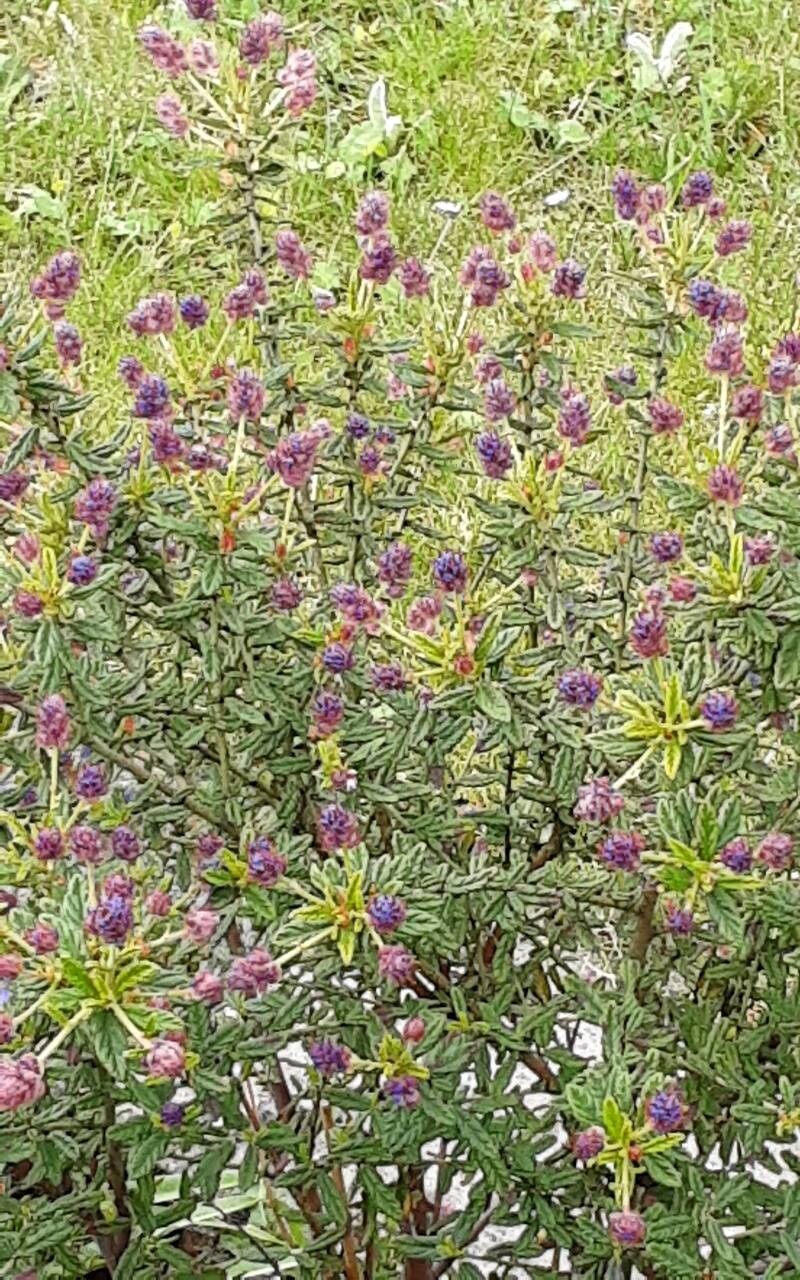
Oh, hello there! So, you’ve fallen head over heels for Ceanothus impressus, haven’t you? I don’t blame you one bit. Those deep blue flower clusters are just darling, and the evergreen foliage is a beautiful touch to any garden, no matter the season. Growing your own little California Lilacs from cuttings is incredibly satisfying – it’s like giving the gift of beauty to your garden, and then sharing it with friends! Now, Ceanothus impressus can be a wee bit particular, but with a little guidance, I promise you’ll be well on your way to success. It’s not the absolute easiest plant for a total beginner, but it’s definitely doable with a bit of patience.
The Best Time to Start
Timing is everything when it comes to successful propagation, and for Ceanothus impressus, late spring to early summer is your golden window. I’m talking about when the plant is actively growing but before the new shoots get too woody. Look for stems that are semi-hardwood – they’ll bend a bit but won’t snap like a green twig. This stage offers the best balance of flexibility and vigor for rooting.
Supplies You’ll Need
Here’s what you’ll want to have on hand before you get started:
- Sharp, clean pruning shears or a utility knife: For taking your cuttings. Sterilize them with rubbing alcohol before and between cuts!
- Rooting hormone (powder or gel): This isn’t strictly mandatory for Ceanothus, but it can give your cuttings a significant boost.
- Small pots or seed trays: Cleaned thoroughly.
- A well-draining potting mix: I like to use a 50/50 blend of perlite and peat moss or a specialized seed-starting mix. You want good aeration.
- A clear plastic bag or propagation dome: To create a humid environment.
- Watering can or spray bottle: For gentle watering.
- A small trowel or dibber: For making holes in the soil.
Propagation Methods: Stem Cuttings
This is my go-to method for Ceanothus impressus. It’s reliable and you can get quite a few new plants from one parent.
- Take your cuttings: Select healthy, non-flowering stems from your parent plant. Aim for cuttings that are about 4 to 6 inches long. Cut just below a leaf node (where a leaf attaches to the stem).
- Prepare the cuttings: Gently remove the lower leaves, leaving just a few at the top. This prevents them from rotting in the soil. For thicker stems, you might lightly scrape away a thin sliver of the outer bark on one side at the very bottom, about an inch long. This can encourage rooting.
- Apply rooting hormone: Dip the cut end of each cutting into your rooting hormone, tapping off any excess.
- Plant the cuttings: Fill your pots or trays with your prepared potting mix. Make a small hole with your trowel or dibber. Insert the cutting into the hole, making sure the dipped end is well-covered by soil. Gently firm the soil around the base of the cutting.
- Water gently: Water the soil thoroughly but carefully. You don’t want to dislodge your cuttings. A gentle spray from a bottle is often best initially.
- Create humidity: Cover the pots with your clear plastic bag or propagation dome. Make sure the leaves on the cuttings don’t touch the plastic if possible. If you’re using a bag, you might need to prop it up with a few small stakes so it doesn’t collapse. Place the pots in a bright, indirect light location. Avoid direct sun, which can scorch the young cuttings.
The “Secret Sauce” (Pro Tips)
Here are a couple of my tried-and-true tips that make a difference:
- Don’t rush the woody bit: While we’re looking for semi-hardwood, if your stems are too soft, they’ll rot. If they’re too hard, they’ll struggle to root. That sweet spot in late spring/early summer is key.
- Bottom heat is your friend: If you have a heat mat, placing your pots on it can significantly speed up root development. It mimics the warmth of spring soil and gives those developing root cells a real boost. Just don’t let the soil get too hot!
- A little fresh air goes a long way: Even with a humidity dome, it’s wise to lift the lid or bag for a few minutes each day to allow for some air circulation. This helps prevent fungal issues.
Aftercare & Troubleshooting
Once your cuttings show signs of rooting – usually tiny new leaves or a gentle tug on the stem resisting slightly – you can start to gradually acclimate them to less humid conditions. This might involve slowly opening the bag or dome over a week or two.
Keep the soil consistently moist but not waterlogged. This is crucial. Overwatering is probably the biggest killer of cuttings. You’ll know they’re happy when they start putting on new growth.
Common issues? Rotting is a big one. If you see stems turning black and mushy, it’s often a sign of too much moisture and not enough air circulation. Unfortunately, these cuttings are usually lost. If you notice leaves yellowing and dropping, it could be a sign of underwatering or sometimes too much direct sun. Adjust your watering and light as needed. Be patient!
A Warm Send-off
Remember, gardening is a journey, not a race. Some cuttings will take off beautifully, while others might need a second try. That’s perfectly okay! Enjoy the process of nurturing these little starts. Soon enough, you’ll have a whole new generation of Ceanothus impressus to admire in your garden, or to share with someone special. Happy propagating!
Resource:
https://identify.plantnet.org/k-world-flora/species/Ceanothus%20impressus%20Trel./data