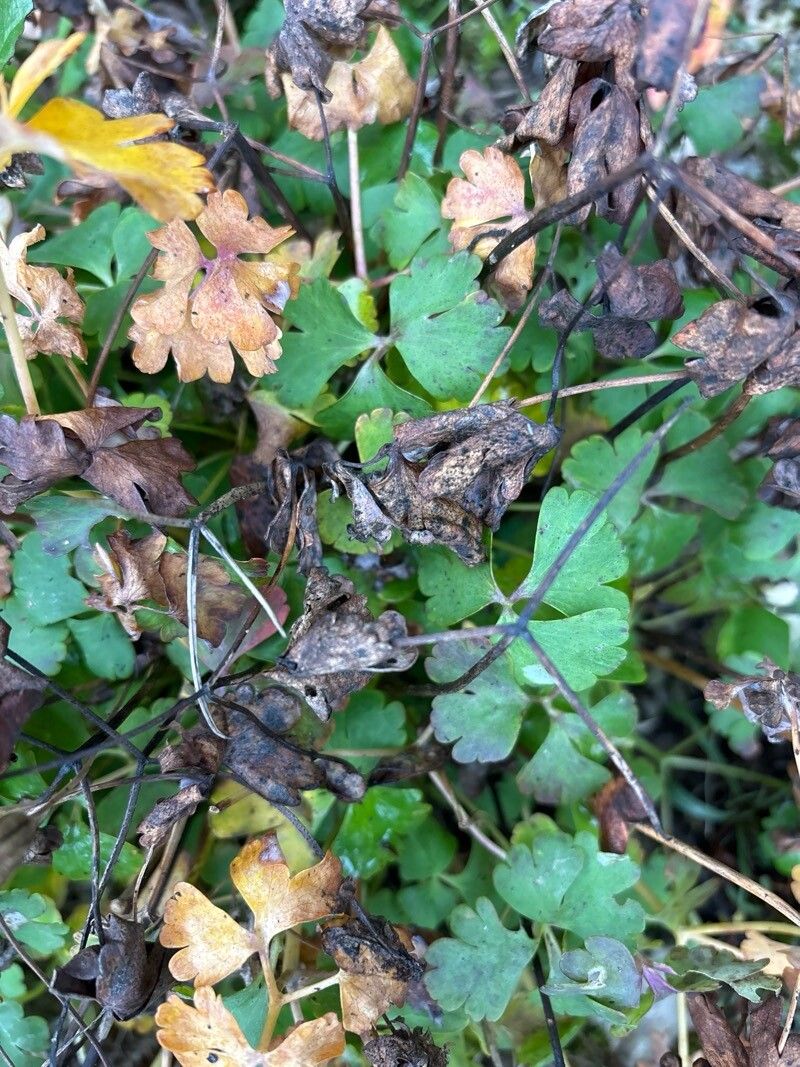
Hello there, fellow garden enthusiasts! Today, we’re diving into the charming world of Aquilegia olympica. Isn’t it a beauty? Its delicate, nodding flowers, often in shades of soft blues and purples, bring such an elegant touch to any garden. I’ve always loved how they dance in the breeze. Propagating this particular Columbine is a wonderfully rewarding project, and I’m happy to report it’s quite accessible, even if you’re just dipping your toes into the world of plant propagation.
The Best Time to Start
For Aquilegia olympica, the sweet spot for propagation is really in the late spring to early summer. This is when the plant is actively growing and has plenty of energy to spare. While you can sometimes work with divisions in the fall, spring gives your new little plants the longest growing season to establish themselves before winter.
Supplies You’ll Need
To get our propagation station set up, here’s what you’ll want to have on hand:
- Sharp pruning shears or a clean, sharp knife: For making clean cuts.
- A good quality potting mix: I like a mix that’s well-draining, something like a blend of peat moss, perlite, and a little bit of compost.
- Small pots or seed trays: Clean ones are a must to avoid any lingering nasties!
- Rooting hormone (optional, but helpful): Especially for cuttings, this can give them a little boost.
- Watering can with a fine rose attachment: To water gently without disturbing delicate cuttings or seedlings.
- Zip-top bags or a propagation dome: To create a humid environment.
- Labels and a marker: So you don’t forget what you’ve planted and when!
Propagation Methods
Now, let’s get our hands dirty with the ‘how-to’!
Division
This is probably the easiest method for Aquilegia olympica.
- In late spring, after the initial flush of bloom, gently dig up the parent plant. Try to do this on a cloudy day or in the early morning to minimize transplant shock.
- Carefully shake off excess soil from the roots.
- You’ll see that your established plant has likely formed multiple crowns. Using your hands or a clean trowel, gently pull or cut the root ball into sections. Each section should have at least one healthy crown and a good amount of roots.
- Replant these divisions immediately into well-prepared soil, watering them in well.
Stem Cuttings
This method is a bit more involved but very satisfying when it works!
- Look for healthy, non-flowering shoots on your Aquilegia olympica in late spring. You want pieces that are about 4-6 inches long.
- Using your clean shears or knife, make a cut just below a leaf node (where a leaf joins the stem). This is where roots are most likely to form.
- Remove the lower leaves. You want to clear the bottom inch or so of the stem.
- If you have rooting hormone, dip the cut end into it. Tap off any excess.
- Fill your pots or trays with your prepared potting mix. Make a small hole in the center with your finger or a pencil.
- Insert the cutting into the hole, pressing the soil gently around the stem to secure it.
- Water gently.
- Cover the pot or tray with a zip-top bag or a propagation dome to maintain high humidity. Pop them in a bright spot out of direct sun.
The “Secret Sauce” (Pro Tips)
Here are a couple of things I’ve learned over the years that really make a difference:
- When doing stem cuttings, don’t let the leaves of your cuttings touch the soil. If they do, they’re prone to rotting in that humid environment. Trim them back if needed.
- For cuttings, a little warmth from the bottom can work wonders. If you have a heat mat designed for seedlings, placing your pots on it can encourage root development much faster.
Aftercare & Troubleshooting
Once your divisions are replanted or your cuttings show signs of rooting (you might see new leaf growth or feel a gentle tug when you lightly pull on a cutting), it’s time for tender loving care.
- Water regularly but allow the soil to dry slightly between waterings. You don’t want soggy feet!
- As your new plants grow stronger, you can gradually acclimate them to less humid conditions by opening the bags or dome more each day.
- When they seem robust enough, pot them up into their own individual pots if they weren’t already.
The most common issue you might encounter is rot, especially with cuttings. If you see your cuttings wilting, turning mushy, or developing dark spots, it’s usually a sign of too much moisture or not enough air circulation. Unfortunately, rotten cuttings are usually a lost cause, but don’t despair! Just clean out the pot and try again. Patience is key here.
Happy propagating! It’s always a joy to watch a tiny little bit of plant life transform into something beautiful. Don’t be discouraged if not every attempt is a roaring success. Every gardener has had their share of failures – it’s all part of the learning journey. Enjoy the process, and soon you’ll have a whole garden full of these lovely Aquilegia olympica.
Resource:
https://identify.plantnet.org/k-world-flora/species/Aquilegia%20olympica%20Boiss./data