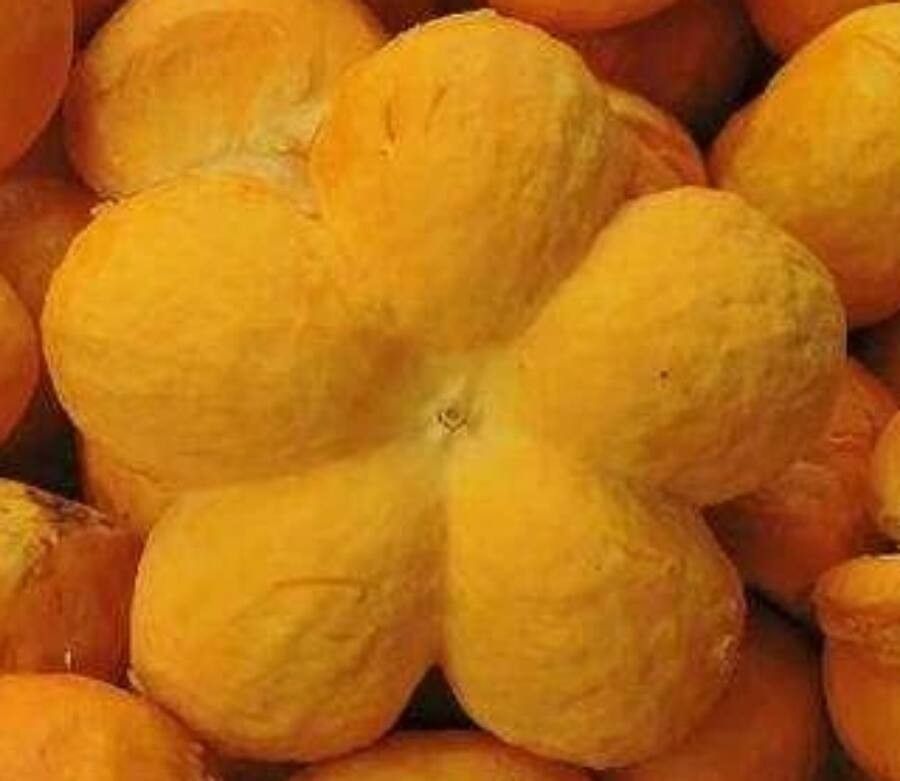
Hello there, fellow plant lovers! It’s so good to connect with you over a shared passion for getting our hands dirty and coaxing new life from existing green treasures. Today, we’re diving into the world of Caryocar brasiliense, often known as the Pequi fruit tree. This fascinating plant, with its unique fruits and beautiful, somewhat architectural form, is a real showstopper. And the satisfaction of successfully propagating your own Pequi? It’s truly something special. Now, let me be upfront: Caryocar brasiliense isn’t typically a beginner’s first foray into propagation. It can be a little trickier than your average pothos, but with a bit of care and patience, it’s absolutely achievable, and that much more rewarding.
When to Get Growing
The sweet spot for propagating Caryocar brasiliense is during its active growth period. Think late spring through summer. This is when the plant is brimming with energy, making it more likely to produce new roots. You’ll want to source your material from healthy, vigorous stems that aren’t too woody but also not overly soft and tender.
Your Propagation Toolkit
Gathering the right supplies makes all the difference. Here’s what you’ll want to have on hand:
- Sharp Pruning Shears or a Craft Knife: For clean, precise cuts. Sterilize them between uses!
- Rooting Hormone (Powder or Gel): This is a big help for encouraging root development.
- Well-Draining Potting Mix: A good blend of perlite, coco coir, and a touch of compost works wonderfully. Avoid heavy garden soil.
- Small Pots or Propagation Trays: Clean pots are essential to prevent disease.
- Clear Plastic Bags or a Propagation Dome: To maintain high humidity around your cuttings.
- Spray Bottle: For misting.
- Small Pebbles or Perlite (Optional): To add to the bottom of pots for a bit of extra drainage.
Bringing Your Cuttings to Life
For Caryocar brasiliense, stem cuttings are generally your most reliable method. Here’s how we’ll do it:
- Select Your Cuttings: Choose healthy stems that are about 6-8 inches long. Look for stems that have recently finished flowering or fruiting, as they often have good hormone levels. Take cuttings in the morning when the plant is fully hydrated.
- Prepare the Cuttings: Using your sterilized shears, make a clean cut just below a leaf node (where a leaf meets the stem). Remove the lower leaves, leaving just a few at the top. This prevents them from rotting in the soil. If the remaining leaves are very large, you can even cut them in half to reduce water loss.
- Apply Rooting Hormone: Dip the cut end of the stem into your rooting hormone, ensuring it’s coated. Tap off any excess.
- Plant Your Cuttings: Fill your clean pots with the well-draining mix. Make a pilot hole with a pencil or your finger to avoid rubbing off the rooting hormone. Insert the prepared cutting into the hole, firming the soil gently around it.
- Create the Humid Environment: Water the soil thoroughly but gently. Then, cover the pot with a clear plastic bag or place it under a propagation dome. Ensure the leaves don’t touch the plastic. You can use stakes to keep the bag from collapsing onto the foliage.
My Personal “Secret Sauce” for Success
After years of tinkering, I’ve discovered a few things that really give my propagation efforts a boost:
- Bottom Heat is Your Friend: Caryocar brasiliense loves warmth. Placing your pots on a heated propagation mat can significantly speed up root formation. It mimics the cozy warmth of the tropics.
- Don’t Overwater, But Keep it Consistently Moist: This is a delicate balance. You want the soil to be consistently damp, not soggy. Check the soil moisture regularly by gently pressing your finger about an inch down. If it feels dry, give it a light watering. Lifting the pot can also tell you if it’s getting light.
- Patience, Patience, and More Patience: This is the hardest part! Some cuttings will root faster than others. Resist the urge to tug on them to check for roots. You’ll know they have rooted when you see new leaf growth.
Nurturing Your New Sprouts
Once you start seeing signs of new growth – tiny leaves unfurling or buds appearing – it’s a good sign your cutting is developing roots. It’s time to gradually acclimate your new plant to lower humidity. Start by opening the plastic bag or dome for a few hours each day, slowly increasing the time over a week or two.
The most common culprit for failure with cuttings is rot. If you notice your cutting turning black and mushy, it’s likely gone too far. This is often due to overwatering or poor air circulation. Ensure good drainage and don’t let the soil stay wet for too long.
Go Forth and Propagate!
Seeing a tiny cutting transform into a thriving new plant is one of the most rewarding aspects of gardening, in my opinion. It connects you deeper to your plants and the natural cycle of life. Don’t be discouraged if your first attempt isn’t perfect. Every gardener has had cuttings that didn’t make it. Keep experimenting, keep learning, and most importantly, enjoy the journey of bringing new life into your garden. Happy propagating!
Resource:
https://identify.plantnet.org/k-world-flora/species/Caryocar%20brasiliense%20A.St.-Hil./data